

U.S.-Brazil Relations and the Trump-Lula Summit | May 2026
Focus: USTR Investigation, Critical Minerals and Serra Verde Acquisition, China Exposure & Strategic Alignment | BRIEFING NOTE


In this Special Interest Note | May 11th, 2026
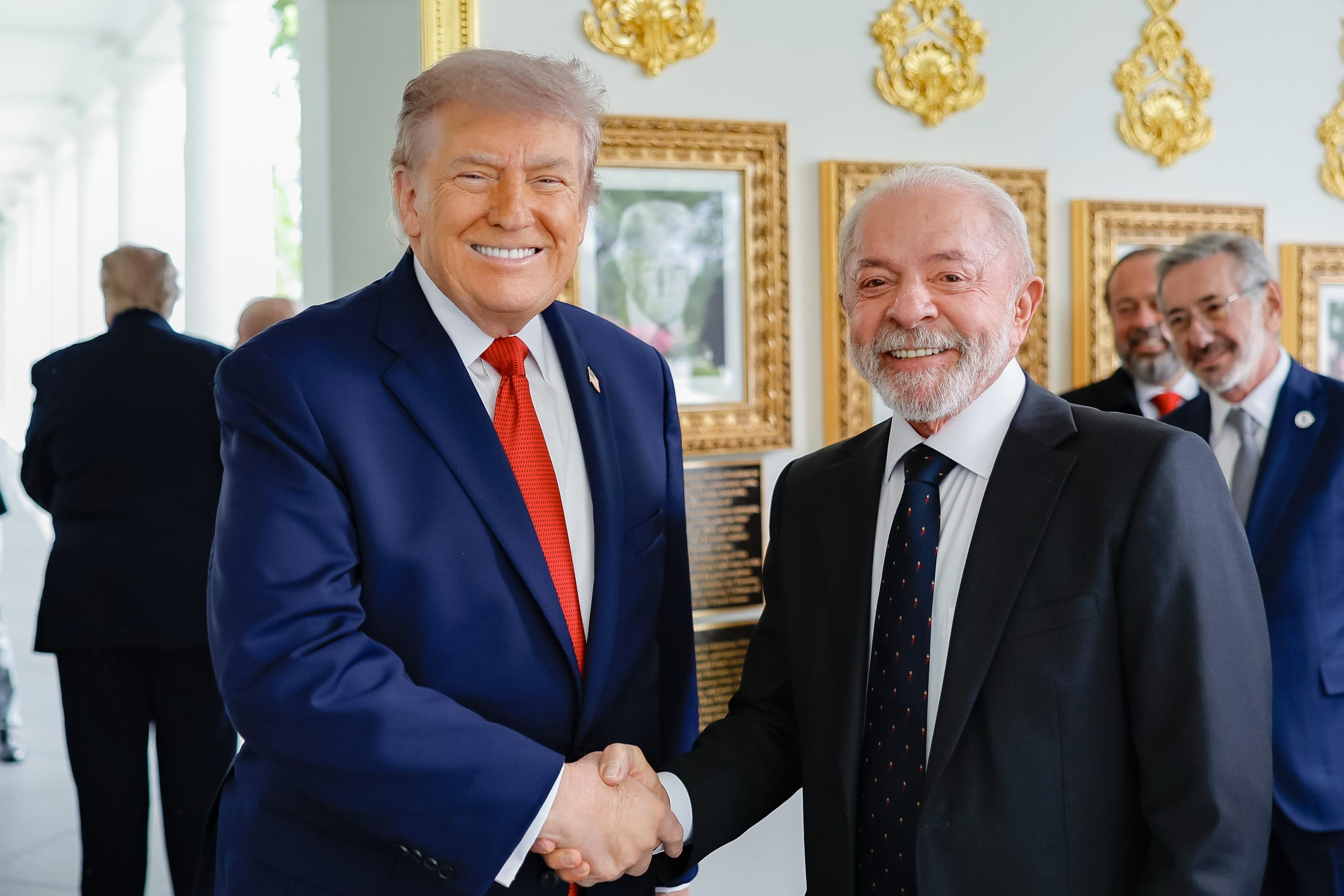
The Trump-Lula summit on Thursday, May 7th, 2026 ended with little visibility into what topics were discussed by the two leaders and what they actually agreed to, if anything.
On trade, the USTR’s investigation remains open as a pressure instrument against Brazil rather than a targeted enforcement action, with the summit producing no visible movement in either direction. On critical minerals, a U.S.-backed company is acquiring Brazil’s only fully operational rare earths producer, but the deal is pending regulatory clearance on both sides. On strategic alignment, Brazil’s executive branch suspended the TECON 10 tender process at the Port of Santos under geopolitical pressure, leaving Washington’s objective of containing China and Brasília’s fiscal need for foreign infrastructure capital both unresolved.
The lack of information after the summit, and the otherwise reserved statements since, suggests that at best, not much of substance was actually agreed on.
Following this, we chose to narrow this brief to a limited number of topics that, while not exhaustive, will remain the most important for both administrations moving forward. These are:
Trade Frictions & USTR Investigation;
Critical Minerals; and
China Exposure & Strategic Alignment.
This brief implements the ST Monitor’s classification to interpret specific developments across Latin America based on their phase of execution. Issues may remain at the level of (1) political signaling without an operational framework; (2) constrained within permission-based systems; or (3) fully operational and institutionalized. The cases chosen for this brief should be read through that lens:
Level 1 — Pre-policy (no executable framework exists)
Level 2 — Constrained execution (activity exists but is permission-bound)
Level 3 — Execution Phase (system is operational and institutionalized)
Trade Policy | USTR Investigation into Brazilian Industrial Policies
Key Takeaways
The summit produced no public evidence of movement on any item in the U.S.-Brazil trade relationship, with neither country conceding ground nor securing relief.
The Section 301 investigation into Brazil is unusually broad, spanning digital payments, ethanol tariffs, deforestation enforcement, and anti-corruption interference, reflecting a pressure campaign across multiple negotiating fronts rather than conventional trade enforcement.
PIX and ethanol are the two most immediately consequential items. Both involve sovereignty arguments, over domestic monetary infrastructure and agricultural trade policy, respectively, that both countries may find hard to concede bilaterally.
The Trump-Lula summit did not (publicly) resolve the fundamental disputes in the bilateral trade relationship between the U.S. and Brazil. The lack of concrete announcements after the talks does not offer any evidence that core issues such as tariffs, agricultural market barriers or investigations that could result in enforcement measures were resolved.
The U.S. government investigation into Brazil’s industrial policies and political practices remains open. In 2025, the U.S. Office of the Trade Representative (USTR) initiated an investigation into Brazil’s commercial and political practices. The investigation is anchored on Section 301 of the Trade Act of 1974 and it entitles USTR to find whether a certain practice by a foreign government is unreasonable or discriminatory in a way that burdens U.S. commerce.
This particular probe is unusually broad, spanning Brazil’s PIX digital payment platform, tariffs on U.S. ethanol, lax enforcement against deforestation, and anti-corruption interference, among other concerns. Normally, USTR pursues targeted trade complaints focused on one sector with a specific remedy in mind. However, what USTR has constructed against Brazil looks like a list of grievances designed to give Washington leverage across multiple negotiation fronts, not a conventional trade enforcement mechanism.
Hence, if the investigation was meant as leverage against Brazil during the summit, then the silence afterward may suggest that Washington did not use it to its favor. Nevertheless, this should not be read as an automatic win for Brazil, given that Lula did not successfully negotiate a way out of the investigation or obtain any tariff concession. At best, the status quo persists with no meaningful change or signal as to the future of the bilateral relationship.
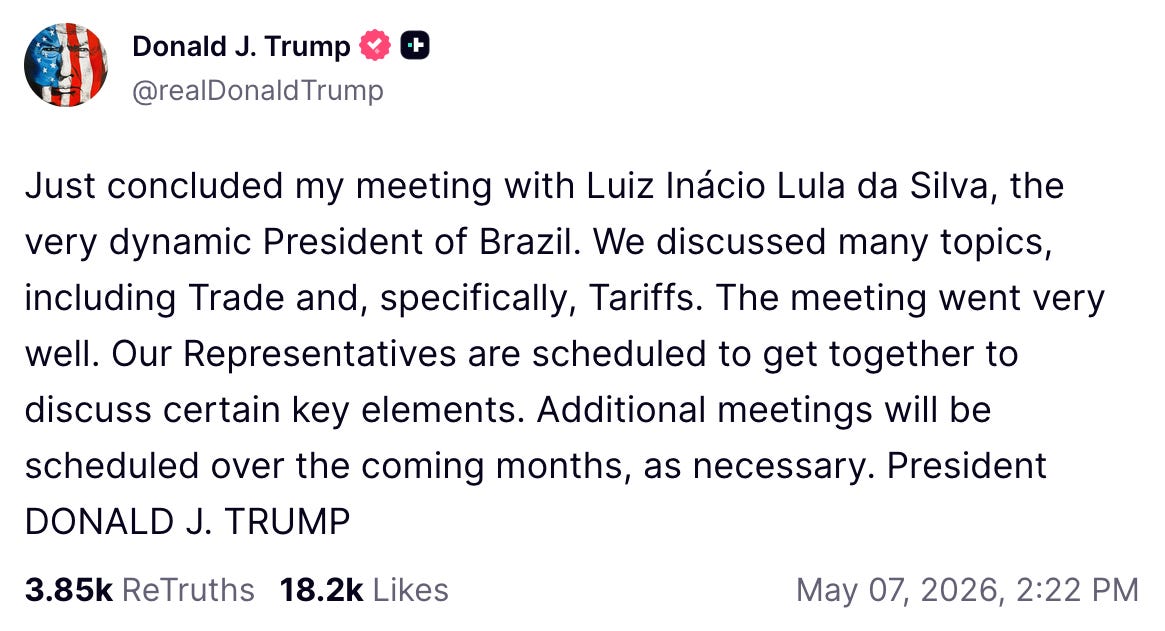
In the short term, the investigation’s two most pressing items may be PIX and ethanol.
On PIX: The U.S. government sees PIX as a threat to the dominance of U.S. card payment networks. PIX is operated by Brazil’s Central Bank, which means challenging the regulatory prerogative of the bank over its domestic payment infrastructure. This is a sovereignty argument that Brazil may defend vehemently, as they may not see domestic monetary infrastructure policy as equivalent to trade measures. This item is unlikely to be resolved bilaterally.
On Ethanol: Ethanol remains one of the most politically charged issues in the bilateral relationship. Brazil currently maintains an 18% tariff on U.S. corn-based ethanol. This situation makes ethanol an easy political target for a Trump administration that prioritizes quick, visible wins with its agricultural base. Thus, ethanol is more likely to be used as a bargaining chip or retaliation point in the short term.
Overall, no enforcement action has been taken, even as the USTR investigation remains active and has a statutory process with defined timelines. With the summit producing no results, although the enforcement mechanism is real, the U.S. political will to activate it fully is unclear, keeping the investigation in a pre-policy state in practice.
Status: Level 1 — Pre-policy.
Critical Minerals | The Serra Verde Acquisition and U.S. interest in Brazil’s Critical Minerals
Key Takeaways
USA Rare Earths’ $2.8 billion acquisition of Serra Verde is a U.S.-government-backed vertical integration play covering all four critical magnetic rare earth elements, from Brazilian mine to Oklahoma magnet plant.
The deal is commercially operational at the asset level but remains pending HSR antitrust clearance in the U.S. and mining concession review by Brazil’s ANM.
A live constitutional challenge before Brazil’s Supreme Court questions whether the State of Goiás has the authority to support mining concessions.
U.S. tariffs on Brazil create friction in the same bilateral relationship Washington needs for supply chain integration, and the summit produced no signal that this contradiction was addressed.
The U.S. government has a strategic interest in Brazilian mineral rights. On April 20, 2026, USA Rare Earths, Inc. (USAR) acquired Brazilian rare earths mining company Serra Verde for $2.8 billion. The deal is expected to close in Q3 of 2026, pending antitrust (HSR) clearances from the Federal Trade Commission (FTC) and the Department of Justice (DOJ) on the U.S. side, and from Brazil’s mining regulatory body (ANM), which has control over mining concessions.
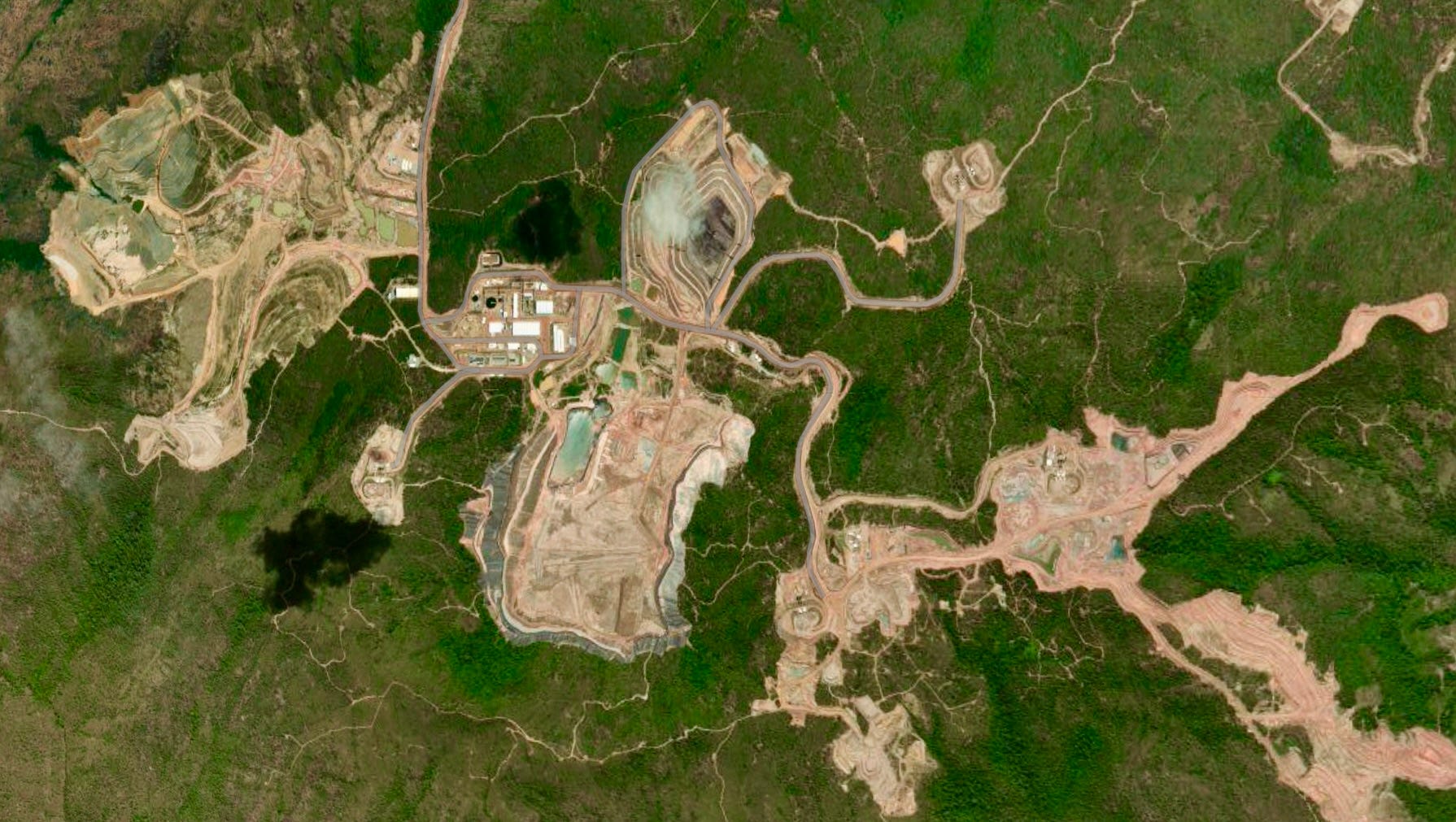
USAR is directly backed by the U.S. government through a $1.6 billion funding agreement, aimed at securing sovereign, stable access to rare earths and critical minerals needed for defense and semiconductor manufacturing. At the upstream level, Serra Verde’s Pela Ema operation in Goiás, Brazil mines all four critical magnetic minerals (Neodymium, Praseodymium, Dysprosium, and Terbium). At the midstream level, Serra Verde processes the minerals in its plant on-site. Production is fully operational.
Thus, the acquisition of Serra Verde makes USAR a vertically integrated company, as USAR provides downstream capacity through their NdFeB magnet manufacturing plant in Stillwater, Oklahoma. Consequently, the Serra Verde deal is now a matter of supply chain security for the U.S. government, given its focus on the AI race and strategic competition with China.
However, U.S. tariffs on Brazil complicate Washington’s strategic objectives in Brazilian mining. The U.S. cannot simultaneously pressure Brazil commercially and expect frictionless cooperation on critical minerals supply chain integration. After all, the resources are located in Brazil and they are thus susceptible to both the U.S. tariff regime and to the Brazilian government’s jurisdiction.
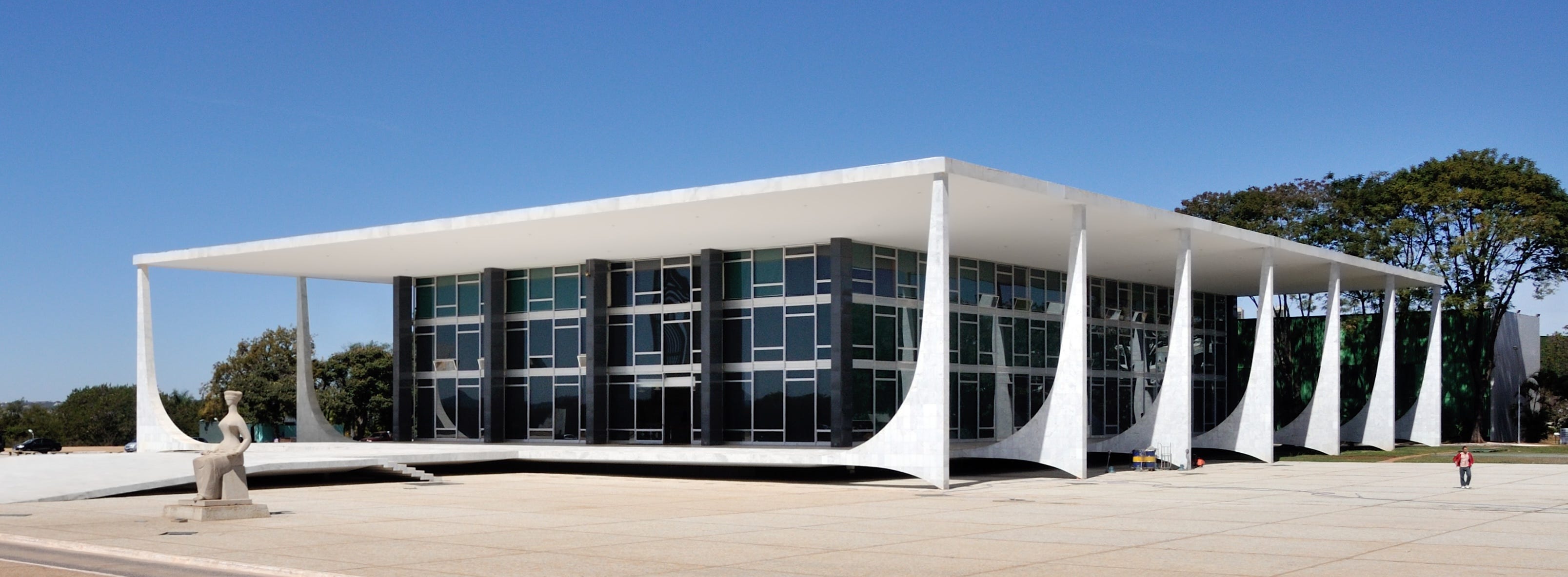
Furthermore, Brazilian politics seem split on the matter, with state-side showing support for the deal, and a coalition of interests at the federal level opposing the deal. Specifically, the State of Goiás is being challenged, on constitutional grounds, over its limited capacity to decide over mining concessions, which the claim argues is a federal, not state, prerogative. The matter is on the docket of the Supreme Court of Brazil (STF.)
The Trump-Lula summit may have provided an opportunity to settle the matter in favor of the U.S., while providing at least some tariff concessions for Brazil. Nevertheless, the opacity of both administrations’ post-summit statements do not provide enough information to conclude there was indeed any progress made on this front.
Taken together, the question that remains unanswered is whether a critical minerals producer in a tariffed, non-allied country can complete the transition to integrate into the American supply chain in a manner that satisfies the U.S. government interests and is not perceived as a threat to the host country’s sovereignty.
Absent future statements from either administration, the Serra Verde deal and its ramifications for both countries may remain constrained by legal and political circumstances, even when the business side is operational.
Status: Level 2 — Constrained execution.
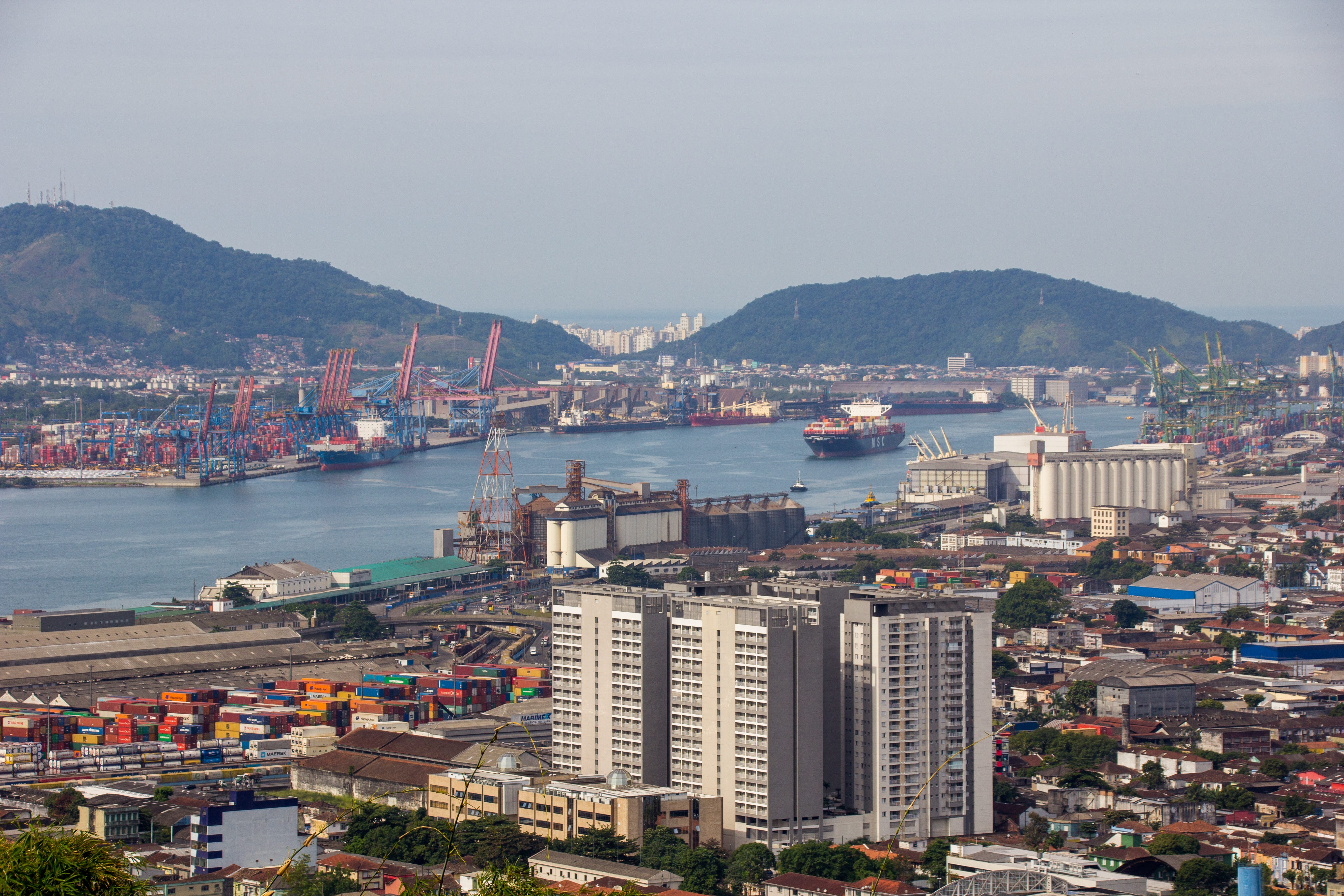
Strategic Alignment | TECON 10, the Port of Santos, and China Exposure
Key Takeaways
Brazil’s executive branch involved itself in the suspension of the TECON 10 tender process, reflecting the geopolitical weight of the concession rather than a procedural dispute.
China already holds a 25-year lease on TECON 11, the adjacent grains terminal. A Chinese operator winning TECON 10 would extend that footprint at the largest port in the Southern Hemisphere.
Washington’s position is ambiguous: no preferred winner, only a prohibited one, offering Brazil no political cover for blocking Chinese participation.
Brazil’s Casa Civil (Presidential Chief of Staff’s Office) recently suspended the TECON 10 tender, escalating the battle over the mega terminal in the Port of Santos to the executive level. This issue involves the U.S. government, insofar as it has made explicit efforts to discourage Brazilian port executives from allowing China to win the tender.
The dispute around TECON 10 is two-fold: it ultimately centers on (1) who captures the margin on Brazil’s agricultural exports, and (2) whether China can wean itself off from U.S. soy through control of the Brazilian soy market.
From a geopolitical standpoint, the U.S. government has not expressed a preference for any one company to win the Santos mega terminal tender. Where the winner of the tender is incorporated does not seem to matter to Washington, so long as it is not a Chinese company. The U.S. government’s concern seems to be China’s rapid diversification away from the U.S. soy market and Beijing’s increasing grip over Brazilian key trade infrastructure and penetration of its soybean sector.
Brazil’s Ministry of Ports and Airports (MPor) had ordered the immediate suspension of the TECON 10 leasing process at the Port of Santos, in late April. The instrument, signed by National Ports Secretary Alex Ávila, instructs ANTAQ (Brazil’s port authority) to halt its analysis and return the file to the Ministry for reassessment. No new date exists for the publication of the notice to bidders or the auction itself.
China already holds a 25-year lease over TECON 11, an expanding grains terminal adjacent to the proposed site. TECON 10 itself is designed as a container terminal, not a bulk grains facility, but that distinction is of no consequence: containerized agricultural flows originating in Brazil can still move through it, alongside inbound Chinese manufactured goods.
Brazil’s public debt-to-GDP ratio stood at 93.3% in 2025, while over 90% of federal spending is mandatory, leaving the PT (or any successor) with no room to maneuver. Infrastructure concessions are one of the few levers available that do not require mandatory spending. Thus, delaying or cancelling the TECON 10 tender is not a neutral act in this fiscal environment—especially in 2026, an election year in Brazil.
TECON 10 is where a particular macroeconomic tension is becoming visible. Brazil simultaneously needs foreign capital to build port infrastructure it cannot fund publicly, and protection of its agricultural margin from the same foreign capital once it controls the infrastructure. Those two needs are on a collision course and it’s now clear that the Brazilian government does not have a clean answer to it.
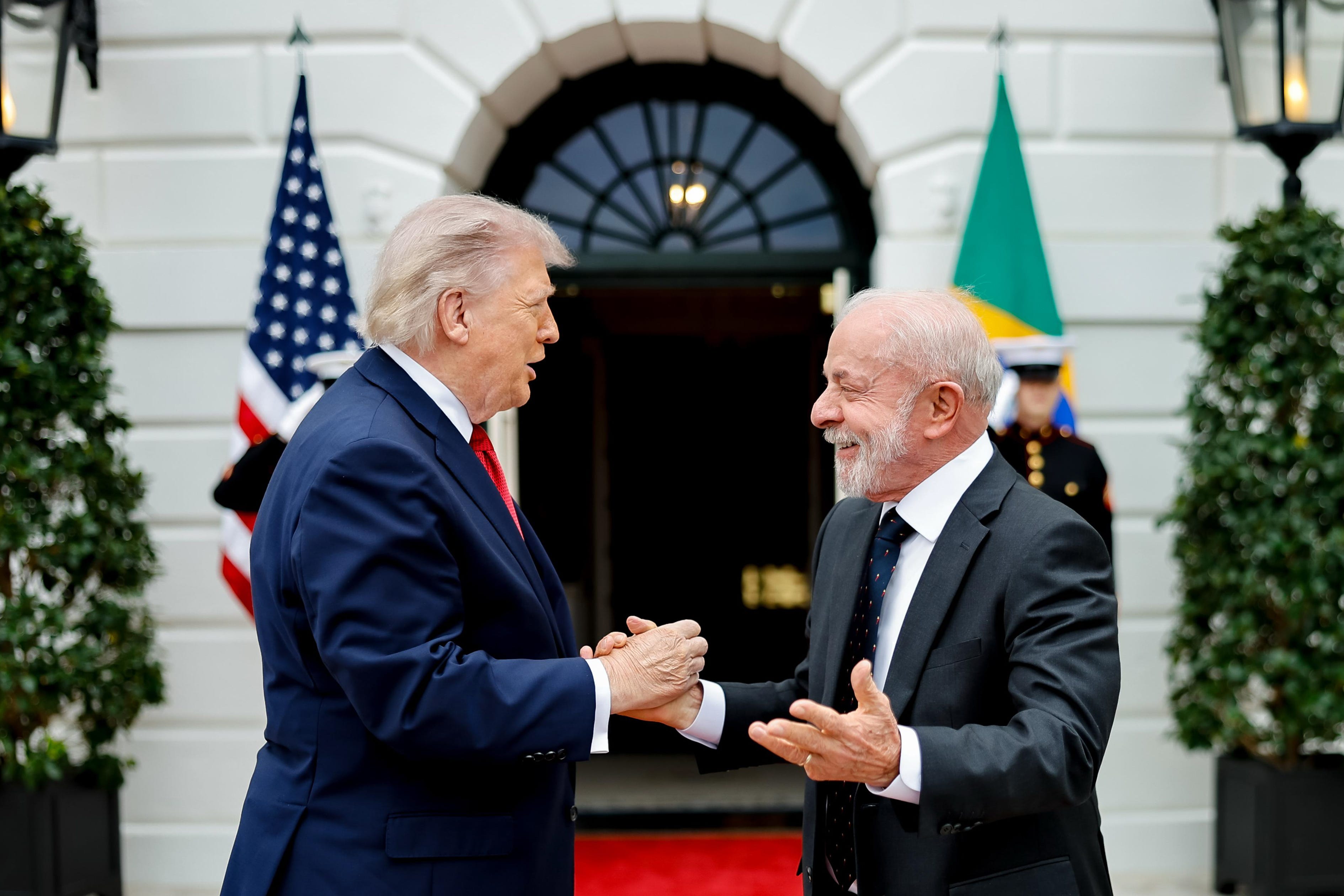
The Trump-Lula summit has not provided any leads on the matter so far. Likewise, neither Brazilian politics nor the U.S. diplomatic corps in Brazil have touched on the subject (publicly) since late April.
It is not clear from either Washington or Brasília that they are satisfied with the present situation. Washington desires to cap Chinese access and influence over Brazilian markets and trade infrastructure, and Brasília desires the benefits of FDI without the economic and political dependence. In the short term, TECON 10 may remain a stalled issue due to a combination of geopolitical, legal, and economic pressures, absent signals from the Brazilian government to the contrary.
Status: Level 2 — Constrained execution.
Other Relevant Context to the Post Trump-Lula Summit Scenario:
Brazil’s Political Landscape
Lula approached the May 7 White House meeting seeking a visible, positive diplomatic achievement, given his fragile political position at home. Brazil’s 2026 presidential race has become highly polarized, with recent polling showing opposition figure Flávio Bolsonaro in a statistical tie with Lula in a potential runoff.
Lula’s political vulnerability is clearest in the Senate’s rejection of one of his Supreme Court nominees, the first such failure since 1894.
However, Lula continues to dominate the Workers’ Party (PT), relying on strong support from labor unions, academia, and progressive Catholic groups, while opposition parties still struggle to match the PT’s organizational machinery. Veteran PT strategist José Dirceu has also re-emerged publicly, signaling an effort to rebuild influence despite his past corruption convictions and history as a leftist militant.
On the right, conservative governor Ronaldo Caiado has gained visibility as a potential alternative, representing a traditional, conservative strand linked to agribusiness, property rights, and the economic expansion of Brazil’s Center-West region.
Watch for: Lula may need a visible win or concession from the U.S. in the short term to project strength, stabilize his base, and improve his standing ahead of a difficult 2026 re-election campaign in an increasingly competitive environment.
Meatpacking Giant JBS comes under U.S. DOJ Scrutiny
JBS, Brazil’s meatpacking giant and historically one of the country’s largest corporate campaign donors, is facing a new U.S. Department of Justice investigation into price-fixing and anti-competitive conduct, alongside other firms including fellow Brazilian company Marfrig.
The group is also one of the most exposed to Trump’s tariffs on Brazilian beef. In parallel, JBS’s holding company J&F has recently announced investments in missile manufacturing (via Avibras) and a major potash project in Brazil.
Watch for: JBS has both a strong incentive and considerable political influence to lobby for tariff relief and improved U.S. relations. Its interests add a significant sector-specific dimension to the post-summit scenario, as the company seeks to protect and expand its critical U.S. market access while managing legal and reputational risks on both countries.
If you liked today’s issue, forward it to anyone who should be reading it
🔗👇 Share this post by clicking the icon below!
See The Southern Trade on Google
Want The Southern Trade analysis at the top of your feed? You can tell Google to prioritize this source by clicking on the button below.

© 2026 Manuel Reyes, The Southern Trade Group™. All rights reserved. Content may not be reproduced without permission.
This article is a collaboration between Manuel Reyes and Luis Vieira.
© 2026 Manuel Reyes and Luis Vieira. All rights reserved. Individual proprietary content and branding remain the property of their respective authors. No part of this work may be reproduced, distributed, or transmitted in any form or by any means without the prior written permission of both authors.
 | A guest post by
|