

Sherritt’s Collapse in Cuba Opens Path for U.S. Distressed Acquisition
BRIEFING NOTE | U.S. sanctions paralyze Sherritt’s critical minerals operation in Cuba, kickstarting a rapid U.S. acquisition

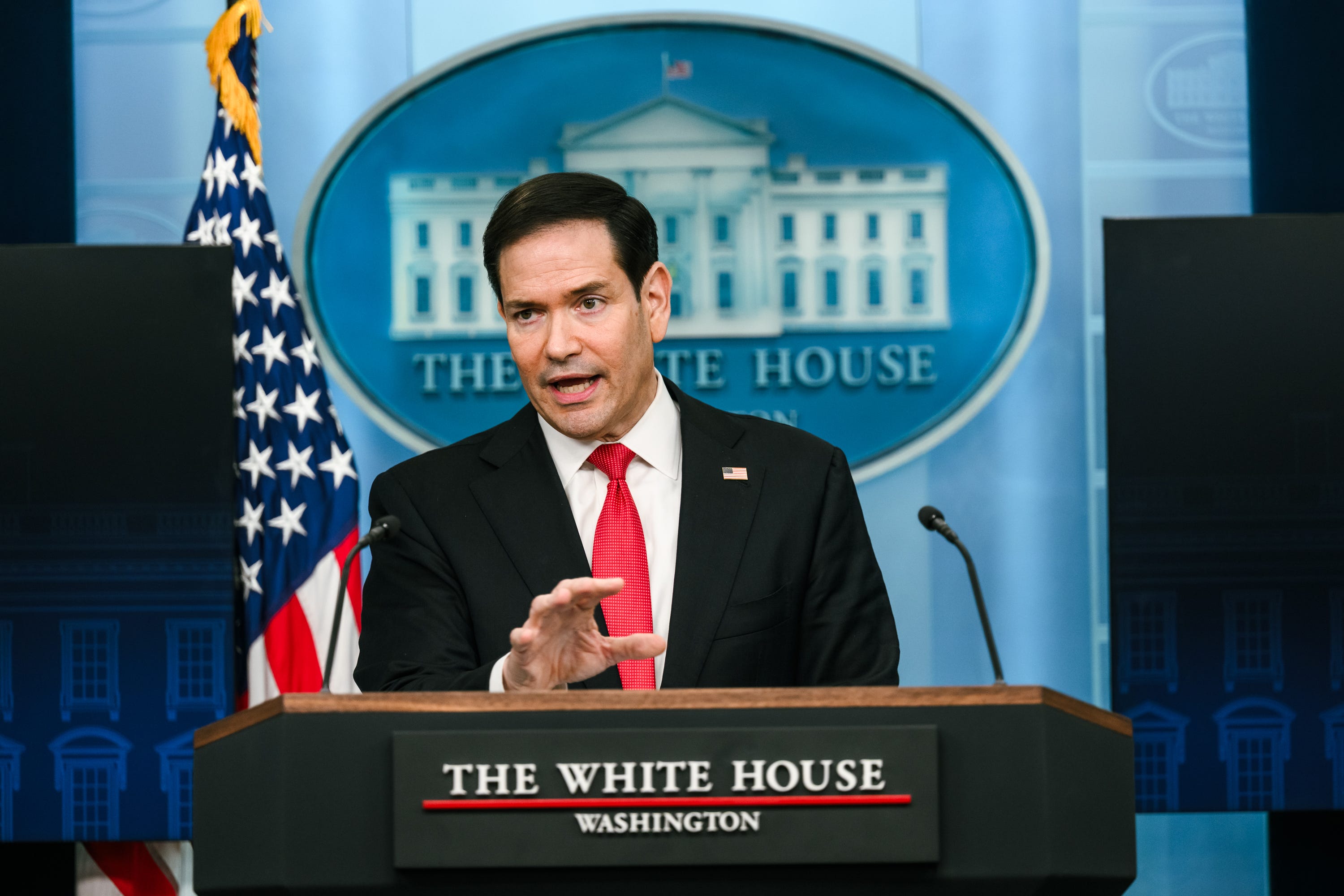

A coordinated U.S. pressure campaign against Cuba is affecting Canadian miner Sherritt International. The company is collateral damage in a play that, as a second-order effect, re-positions U.S. strategic interests in Cuban nickel-cobalt assets. Cuba’s nickel-cobalt reserves are among the largest in the world.
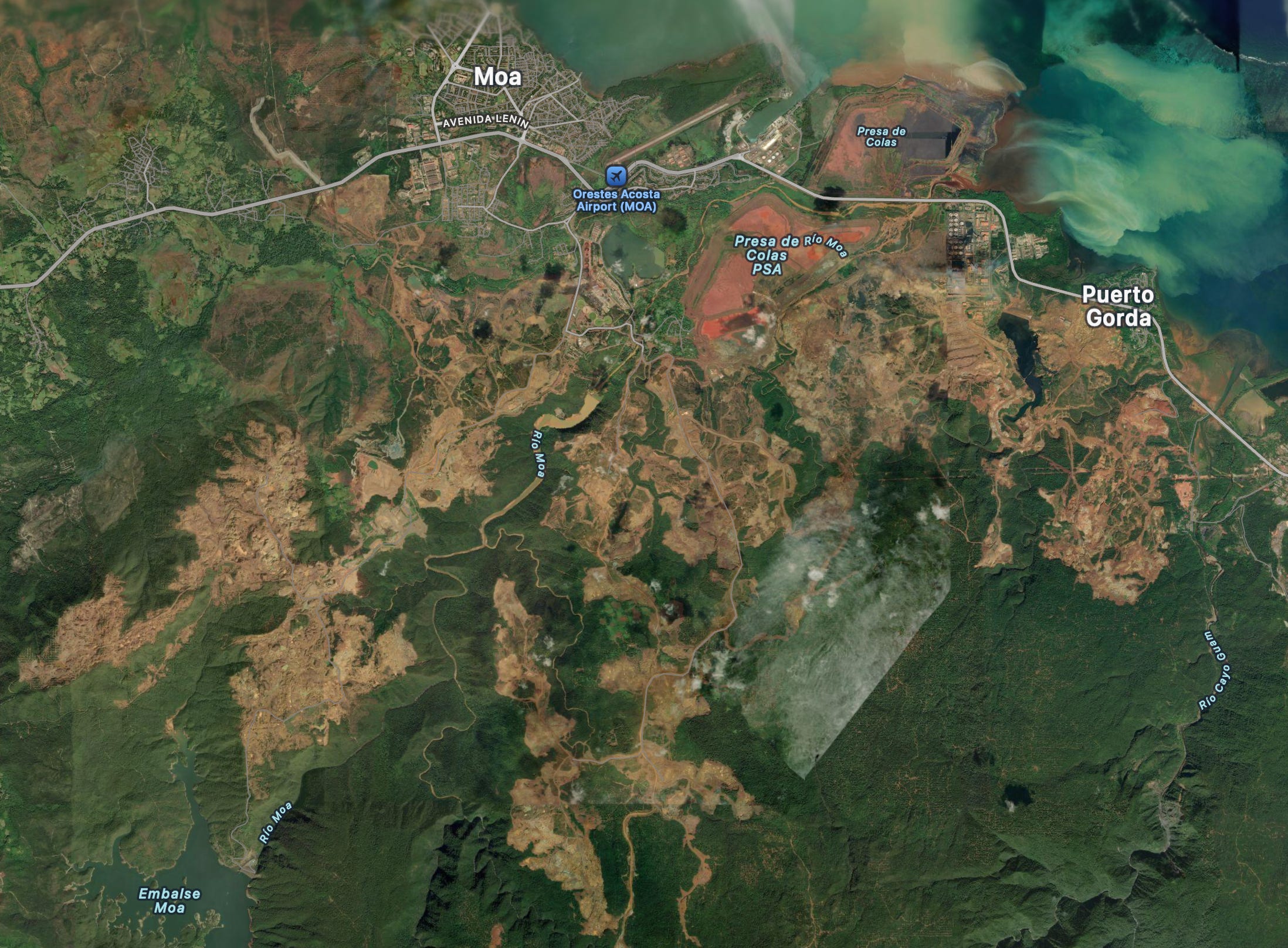
On May 1, 2026, the Trump administration issued an executive order expanding sanctions against Cuba, including Sherritt International’s joint venture (JV) with the Cuban government (General Nickel Company, S.A. or “GNC”) to produce nickel and Cobalt in Moa, Eastern Cuba.
On May 7, Sherritt formally suspended its direct participation in the Moa JV. The Canadian company’s CFO, Yasmin Gabriel, and long-time auditor Deloitte resigned soon after. On May 15, Sherritt missed its Q1 filing deadline with the Ontario Securities Commission (OSC.) By May 19, Sherritt further updated its push to dissolve the JV as soon as possible, with the express intent of informing U.S. authorities and stakeholders.
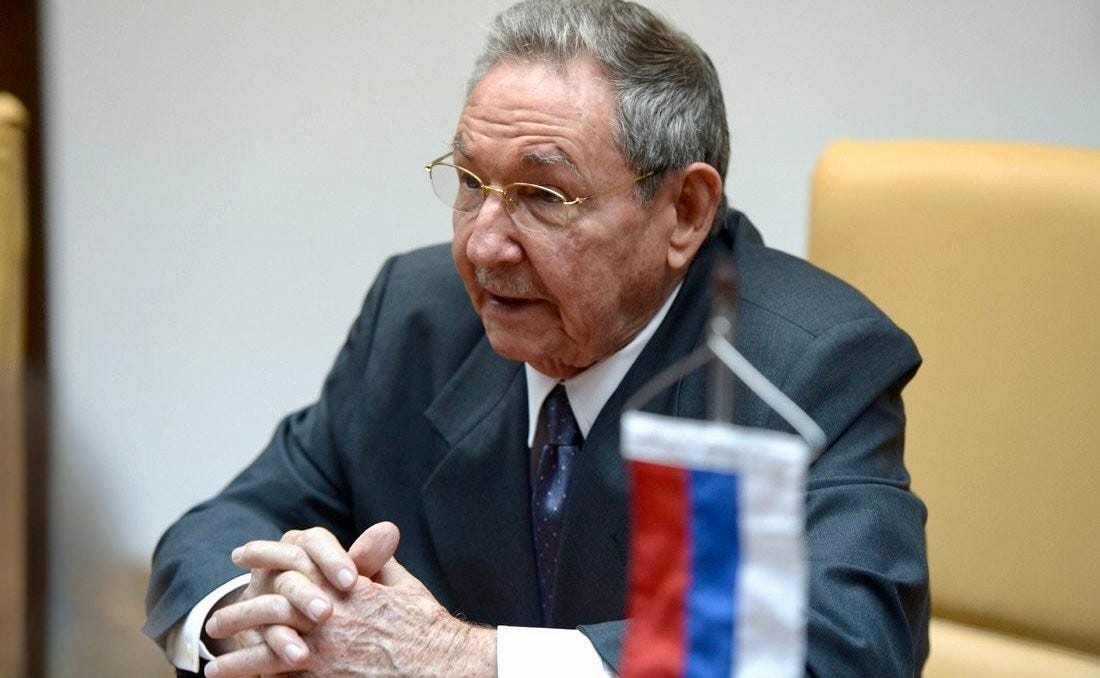
On May 20, Acting U.S. Attorney General Todd Blanche indicted Cuban leader Raúl Castro over his alleged role in the shootdown of a civil aircraft in the Florida Strait in 1996. On the same day, Sherritt reversed the dissolution decision and announced a non-binding term sheet with Gillon Capital LLC (Gillon.) This firm is the family office of Ray Washburne, the former head of OPIC (Overseas Private Investment Corporation, 2017-2019) in Trump’s first term, former member of Trump’s Intelligence Advisory Board, vice chairman of the Trump Victory Committee 2016, former advisor to the U.S. Military Southern Command, and major Republican fundraiser. Gillon would acquire a 55% controlling stake via warrant at a discount to the May 15 closing price of C$0.11.
On May 21, the OSC issued a Failure-To-File Cease Trade Order (FFTCO) against Sherritt, effectively blocking all trading of the company’s stock. This is where the flight of auditor Deloitte and Sherritt’s CFO might offer some clues. Sherritt is owed $368 million by the Cuban government over five years (2023-2027), paid through a cobalt swap from their venture operation in Moa. That accounts receivable remains on Sherritt’s balance sheet.
Under the new sanctions’ architecture, the questions of whether that receivable is collectible, how it should be valued, and whether transactions to collect it would constitute prohibited dealings are unclear. Deloitte cannot sign financial statements containing a material receivable whose collectability and legal status it cannot assess. Likewise, CFOs do not resign at moments of maximum pressure unless they either cannot stand behind the numbers or a particular situation creates personal liability exposure. It is not unreasonable to imagine a situation where the board and the CFO disagreed about how to characterize the company’s financial position in the context of the emerging Gillon transaction and the dissolution reversal.
The U.S. Department of State and U.S. Treasury have both confirmed they do not object to the negotiations. However, the U.S. government’s non-objection to the Gillon deal does not constitute a legal authorization for Sherritt to continue running its Cuba venture. This is meaningfully different from issuing a specific license that protects Sherritt, Deloitte, or any individual officer from OFAC enforcement liability. In other words, the non-objection addresses whether Gillon can buy Sherritt; it does not address whether the underlying Cuban receivables are legally collectible, whether transactions to collect them are authorized, or whether an auditor certifying their value is exposing itself to liability.
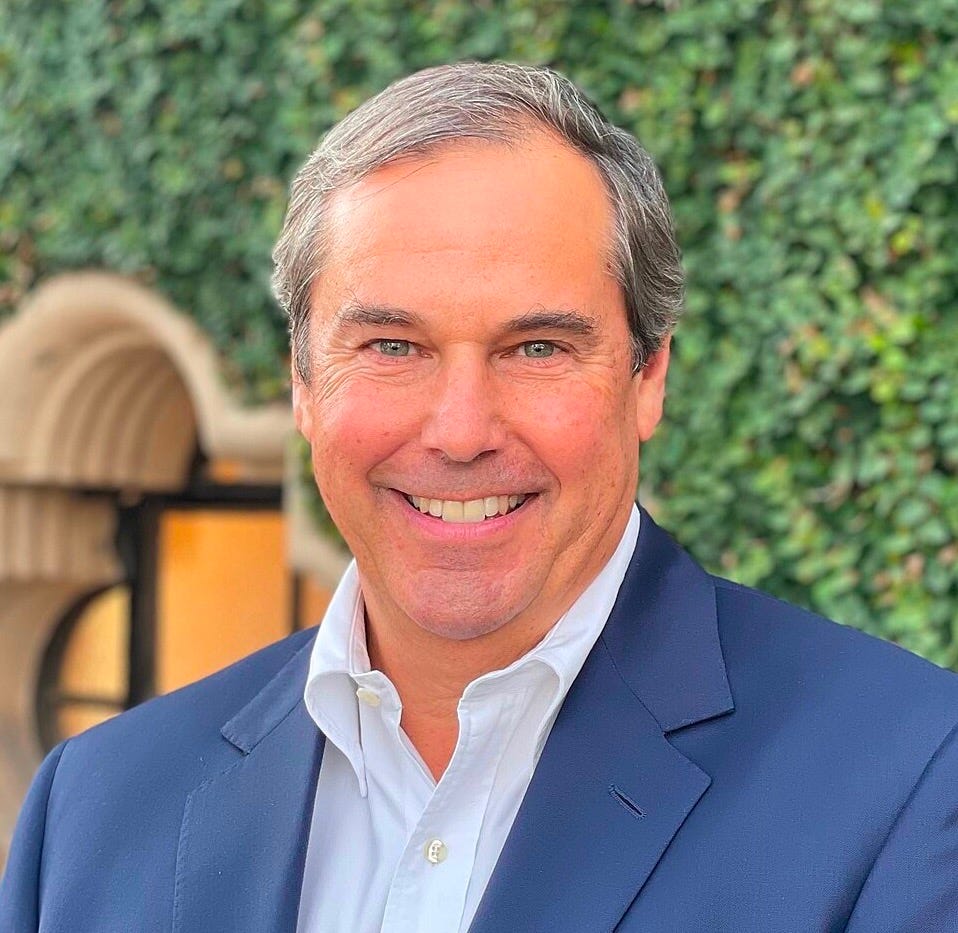
Taken together, the U.S. government has essentially pre-approved a structure in which a Trump-connected operator acquires control of Sherritt’s equity in Cuba at a distressed price, with State Department and Treasury blessings, while simultaneously doing nothing to resolve the legal ambiguity that is eroding Sherritt’s corporate governance. The non-objection, as it turns out, seems deliberately selective: it protects the Gillon transaction alone; it does not protect anyone who has to certify the company’s existing financial position on the way to that transaction. Had the CFO and Deloitte been given assurances, Sherritt’s stock price may have stabilized, which may have improved its negotiating position with Gillon, which in turn may have cost Washburne more money.
Furthermore, the FFCTO creates a paradox that benefits Gillon considerably. Gillon is not buying Sherritt shares through the Toronto Stock Exchange (TSX.) Gillon is receiving a warrant—exercisable within nine months of closing—that gives it the right to acquire enough newly issued shares to reach 55% ownership. Thus, the FFCTO does not automatically kill the private placement mechanism. If and when the FFCTO is lifted and trading resumes, the market price may be even lower than C$0.11, given everything that has happened since May 15 and the continuous deterioration of the situation on the ground. This means Gillon may be able to renegotiate the exercise price downward if the deal formally closes. With trading halted, there is no updated market price, which plays to Gillon’s favor.

Overall, the U.S. is exerting maximum legal and diplomatic pressure on the Cuban government, while a Trump-connected operator acquires control of a significant Western mining and refining operation at clearance price. Sherritt will likely take a substantial financial and reputational hit after the matter is resolved. The fate of the Cuban operation, however, seems to be firmly in the plans of the U.S. government to enhance their critical minerals security, as a byproduct of their hostile position against Cuba.
See The Southern Trade on Google
Want The Southern Trade analysis at the top of your feed? You can tell Google to prioritize this source by clicking on the button below.
What to Read Next:

ST Monitor | May 2026 | Resources Realignment Under Political and Market Pressures in Latin America

Argentina's “Super RIGI”: A Quick Guide to the Proposed New Investment Regime for Foreign Investors


© 2026 Manuel Reyes, The Southern Trade Group™. All rights reserved. Content may not be reproduced without permission.