

U.S. Oil Embargo Forces a Reckoning with Cuba’s Economic Collapse
Electricity, fuel, and essentials evaporate as an immutable Cuba faces Washington’s latest onslaught. Yet it is the Cuban people caught in the crossfire of internal and external pressures.

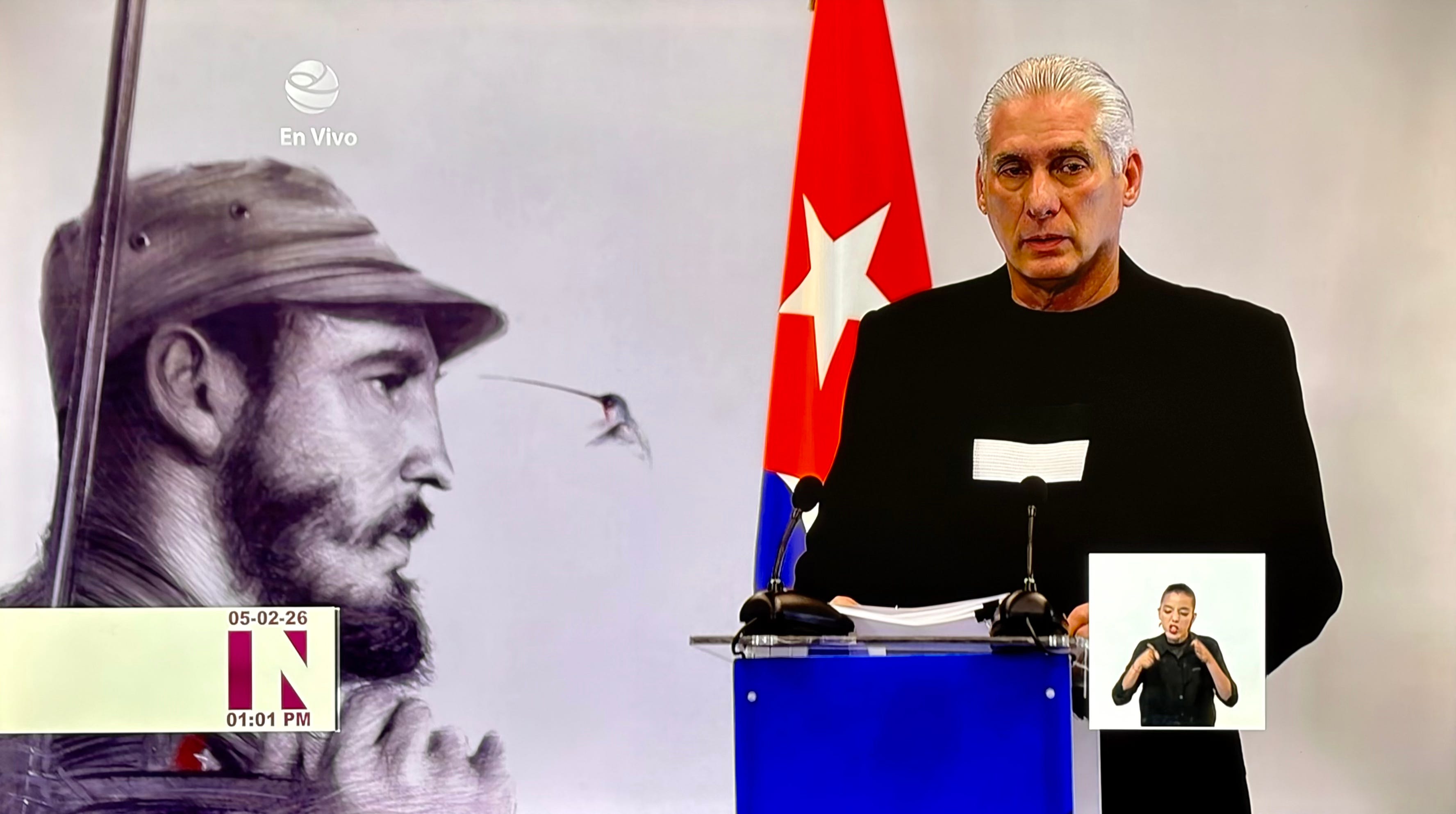

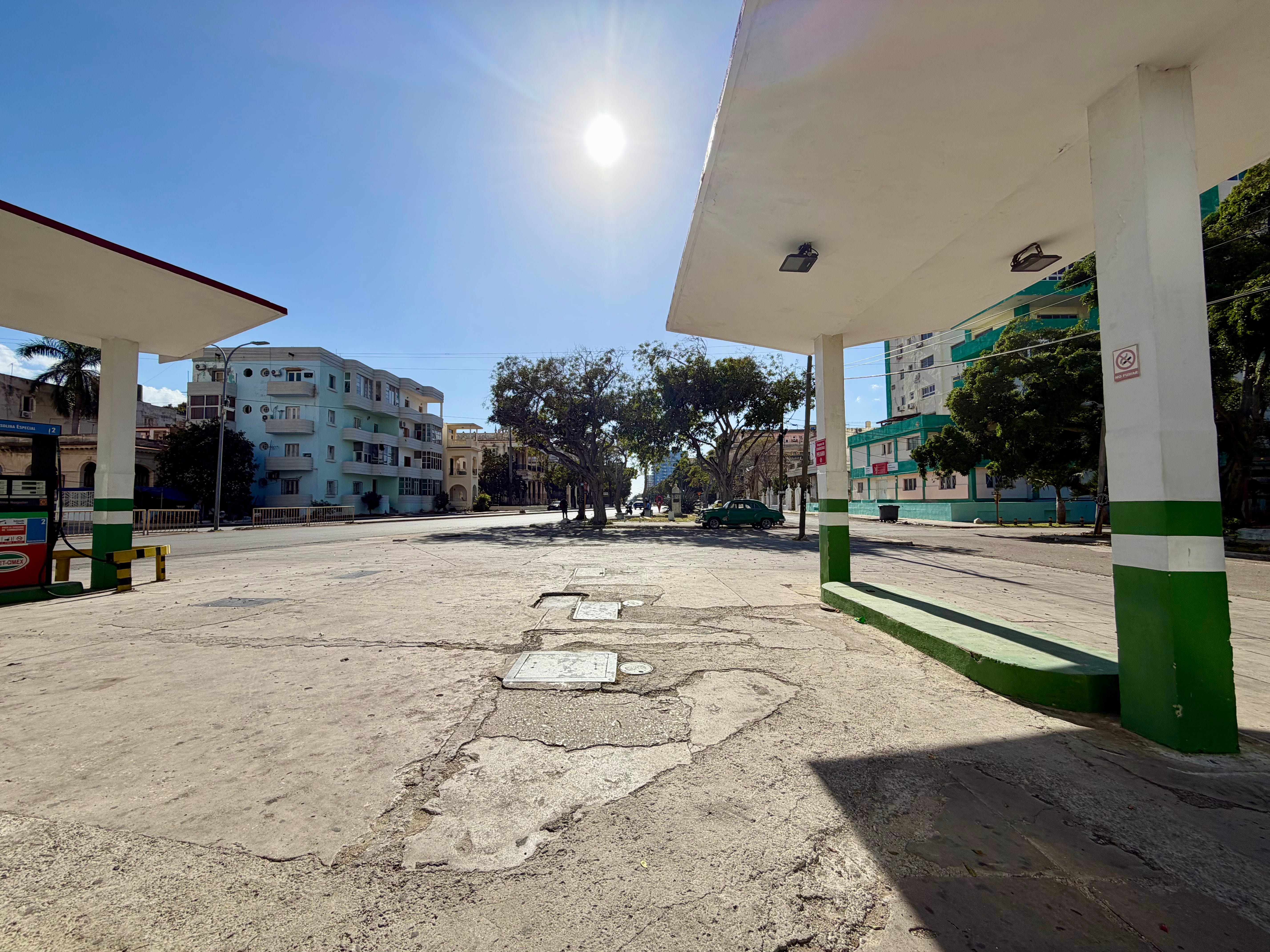
HAVANA — Two weeks since the Trump administration announced an oil embargo on Cuba, the island’s fragile economy is grinding to a halt. However, the external actions of Washington are only a nudge in a decades-long process of decline driven by government mismanagement and institutional rigidity.
Businesses are shuttered, public services collapsed, and transportation is almost non-existent. Rhetorically and in practice, the country’s leadership has no proposition other than so-called “Resistencia Creativa” (or creative resistance)—an amorphous statement by President Diaz-Canel that he repeatedly pitches as the solution to the crisis. Reality on the ground, however, is much starker.
“Folks at the crematorium say there’s no diesel,” my cousin texted me over a week ago, “so I’m just here, chilling, looking for ‘the petrol guy’ to incinerate grandma’s body.” There is no “diesel guy”—crematoriums run on gas—it was code for the employee stalling my cousin’s turn in line until receiving off-the-books fees. I read the text with the same “chilling” attitude but got to work, telling him I’d arrive in 24 hours. We chatted on, unfazed. Cubans are used to dealing with such grim situations or worse.
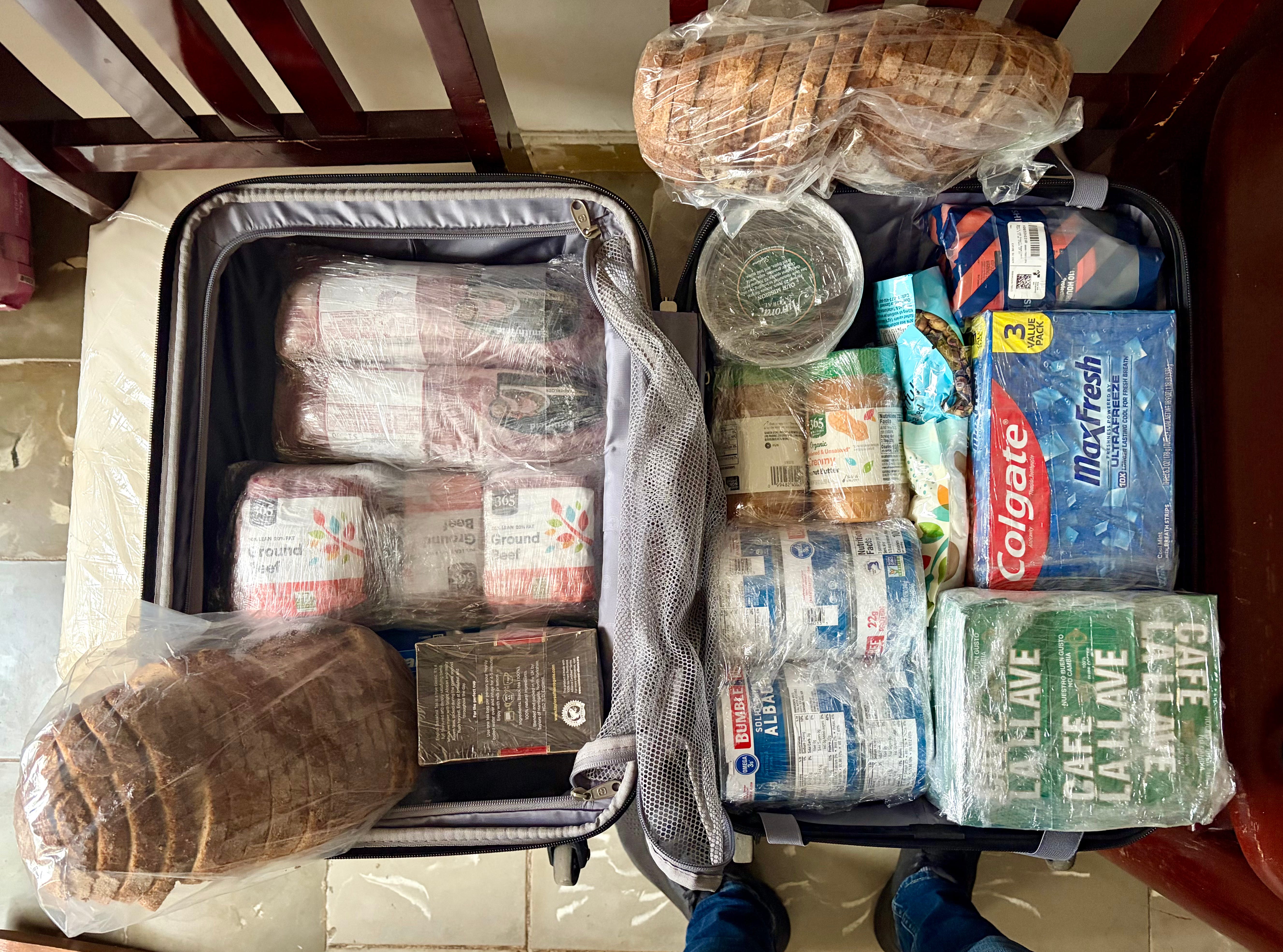
I flew to Havana the next morning with cash and 36 pounds of both dry and frozen goods, gathered on short notice. Typically, trips to Cuba take months to plan and ~$500 for every 50 pounds of essentials bought like clothing, shoes, medications, vitamins supplements, coffee, toothpaste—notwithstanding plane tickets and subsequent in-country expenses, like transportation and gifts. This excludes monthly grocery delivery bills that many Cuban emigrees pick up for a bevy of essential staples, through government-controlled online shops, and payable only in foreign currencies like dollars or euros.
The average monthly salary in Cuba is 6,649CUP, or ~13USD, and the average retiree’s pension is ~4USD—less than what it costs to buy a carton of 30 eggs in today’s market (~5USD). It costs a Cuban emigree roughly $200/month worth of assistance in goods and services per family to subsidize the Cuban government. I say subsidize the Cuban government, and not one’s family there, because Cuba has a centrally planned economy. Every major source of services, products, and commercial activity is owned by the government, not private initiative, by constitutional mandate.
In practice, when the Cuban government struggles to deliver goods or services, much of the gap is filled by Cuban emigrees abroad through remittances, direct shipments of essentials, and informal support. As a result, emigrees absorb substantial costs—essentially the price of maintaining their families’ basic stability—allowing the system to persist without meaningful reforms to state controls and limits over private sector growth.
Thus, news outlets are now highlighting the energy and multi-factor crises following Washington’s tough stance on oil against Havana, noting that the island had only about twenty days of reserves beyond the U.S. executive order. Yet, these conditions—fuel scarcity, daily blackouts, persistent inflation, acute shortages, and public health crises from Dengue and other tropical fevers—were already entrenched a month, a year, or five years ago. Cuba produces on average ~ 41,000 bpd of heavy or extra heavy crude (8-15° API), but production has declined steadily. That covers just 40% of its ~100,000 bpd demand, leaving a deficit of about 60,000 bpd that imports have struggled to fill. This is consistent with the persistent electricity deficits of over 1,600 MW during peak hours against a 3,300 MW national demand, where more than half remains unmet, fueling prevalent blackouts and economic strain well before the U.S. executive order.
In 2025, Cuba’s GDP reached a 15% contraction from 2018 levels. The government invested no more than 2.3% of its total budget in either Agriculture, Health, Education or Science, while it allocated 22.2% in Real Estate, to build hotels destined to the Tourism industry—even when visitor numbers indicated a multi-year decline and downward pressure in room demand. The hotels now sit mostly empty, a number of them are closing operations under the current circumstances, and employees are being furloughed in large numbers. Last year, Cuba received the lowest number of tourists in decades, with just 1.8 million visitors, and far from the peak 4.7 million it attracted during 2018. Experts are pointing out that a 20-year gain has been erased, and Cuba is now back to the early 2000’s in terms of number of travelers.
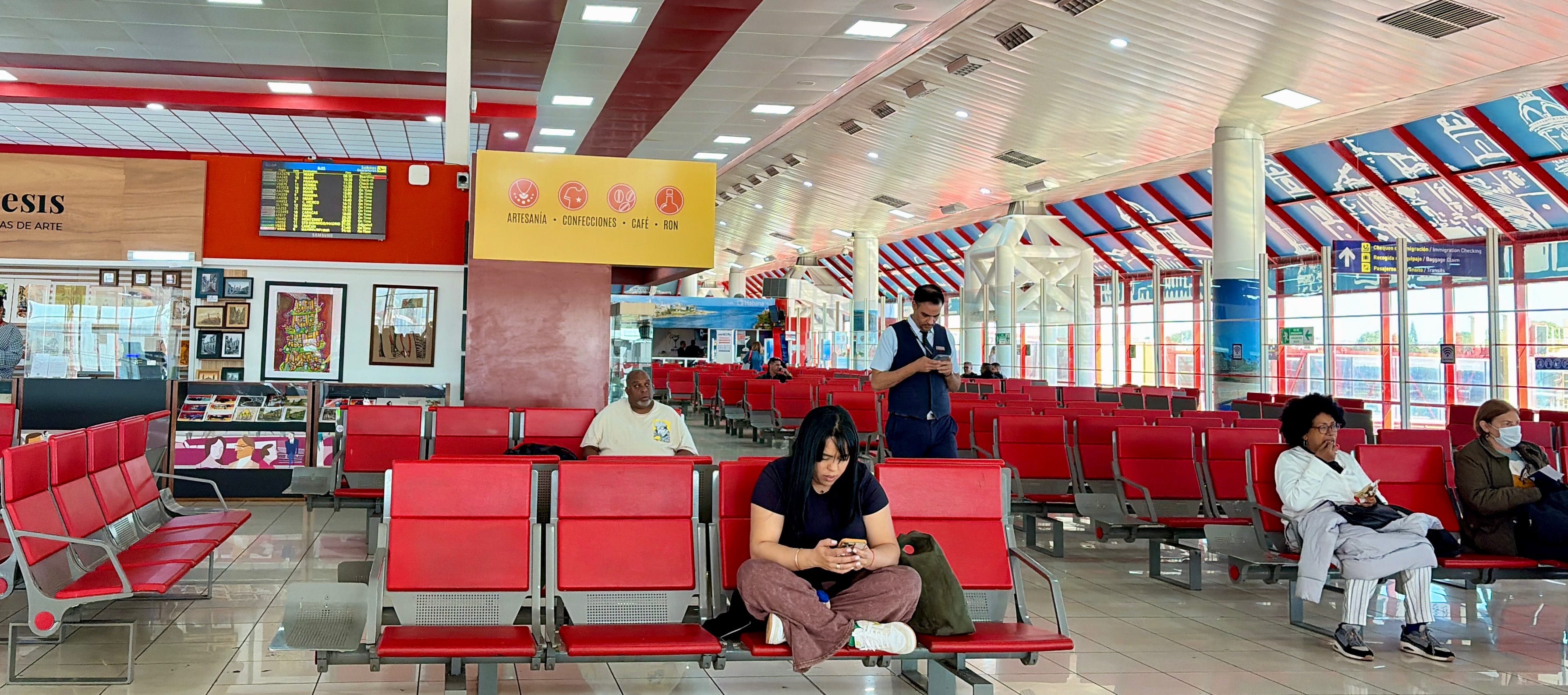
After the COVID era, many Caribbean nations slashed prices and offered incentives to lure back tourists, but Cuba’s tourism struggled with upward pressure on operating costs after a monetary reform that shot up inflation, leading to higher prices that hampered recovery. This strategy made the revenues of the already embattled sector plummet, and diverted business to competitors in neighboring countries. By 2021, these economic pressures compounded over shortages and COVID restrictions, leading to countrywide protests over living conditions. The government’s law-enforcement response at the time drew significant international scrutiny, and stoked a new multi-year exodus that drove away over 1,200,000 of overwhelmingly young, able bodied Cubans from the country.
Last week, President Diaz-Canel offered a 2-hour press conference on TV, addressing the crisis in the wake of Washington’s actions. Many people were not able to tune in due to blackouts, and others reported simply not being interested in what he had to say. “I didn’t waste my time with that,” I overheard a street grocer tell a customer in Alamar, Havana, as I sorted through carrots and onions on the curb. “What was he going to say? Nothing. They only appear on TV to ask for more patience.”
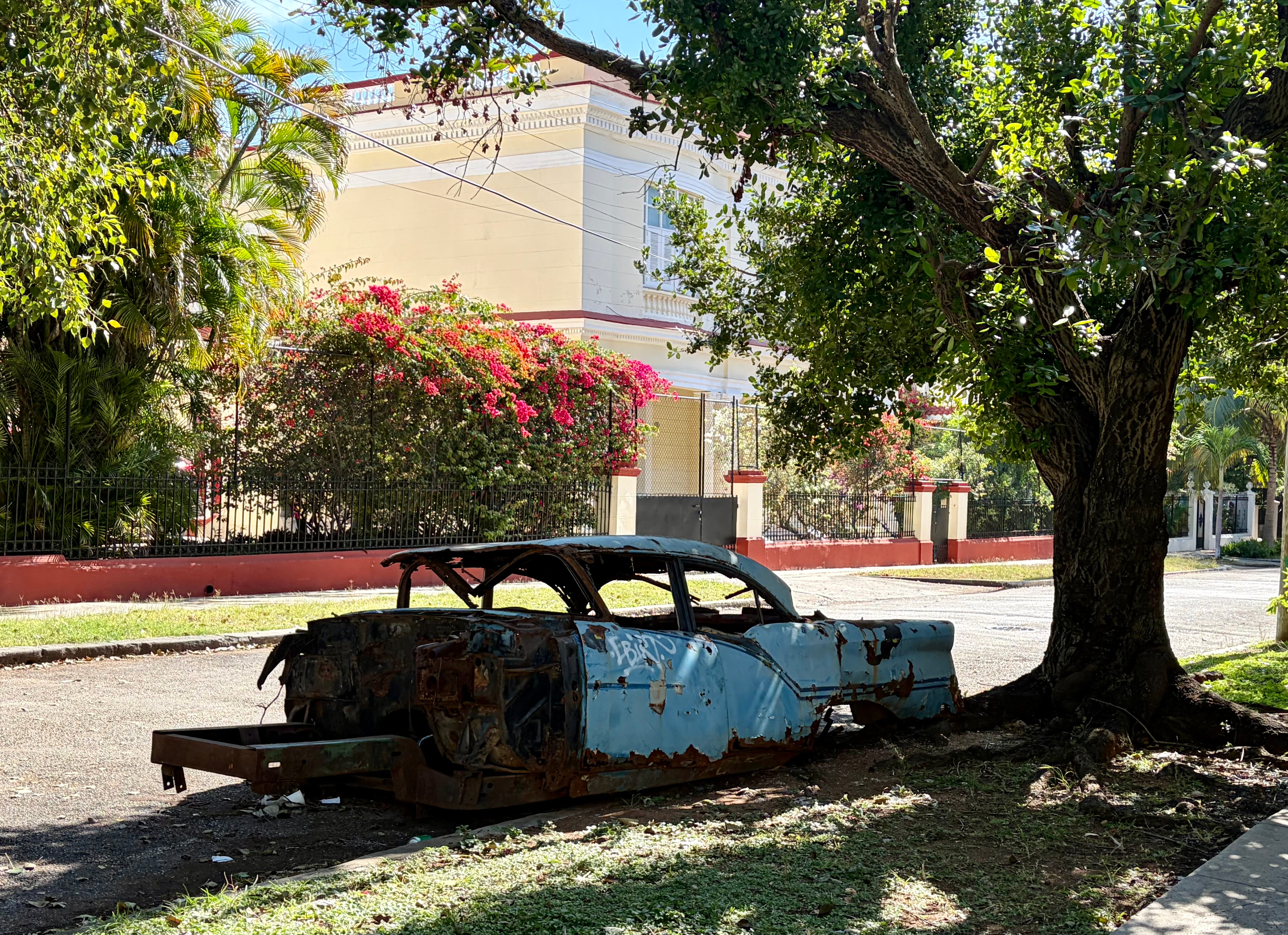
Transportation is one such area where “patience” will be needed. Buses are the main mode of transportation for the average Cuban, but for years the number of active buses dwindled to a trickle, leaving a void on increasingly quiet streets. Now, the government ordered what is left of the public transportation system to stop entirely, among other measures. Until 2025, they argue, officials had been “prioritizing energy for households,” but in 2026 the priority is “the economy” and so the people will have to endure (even) longer blackouts than before, which typically last 10-16 hours a day in Havana alone. “They think they can run a country like this,” the grocer continued, shrugging and grinning, in disbelief. “I truly don’t know where we’ll end up.”
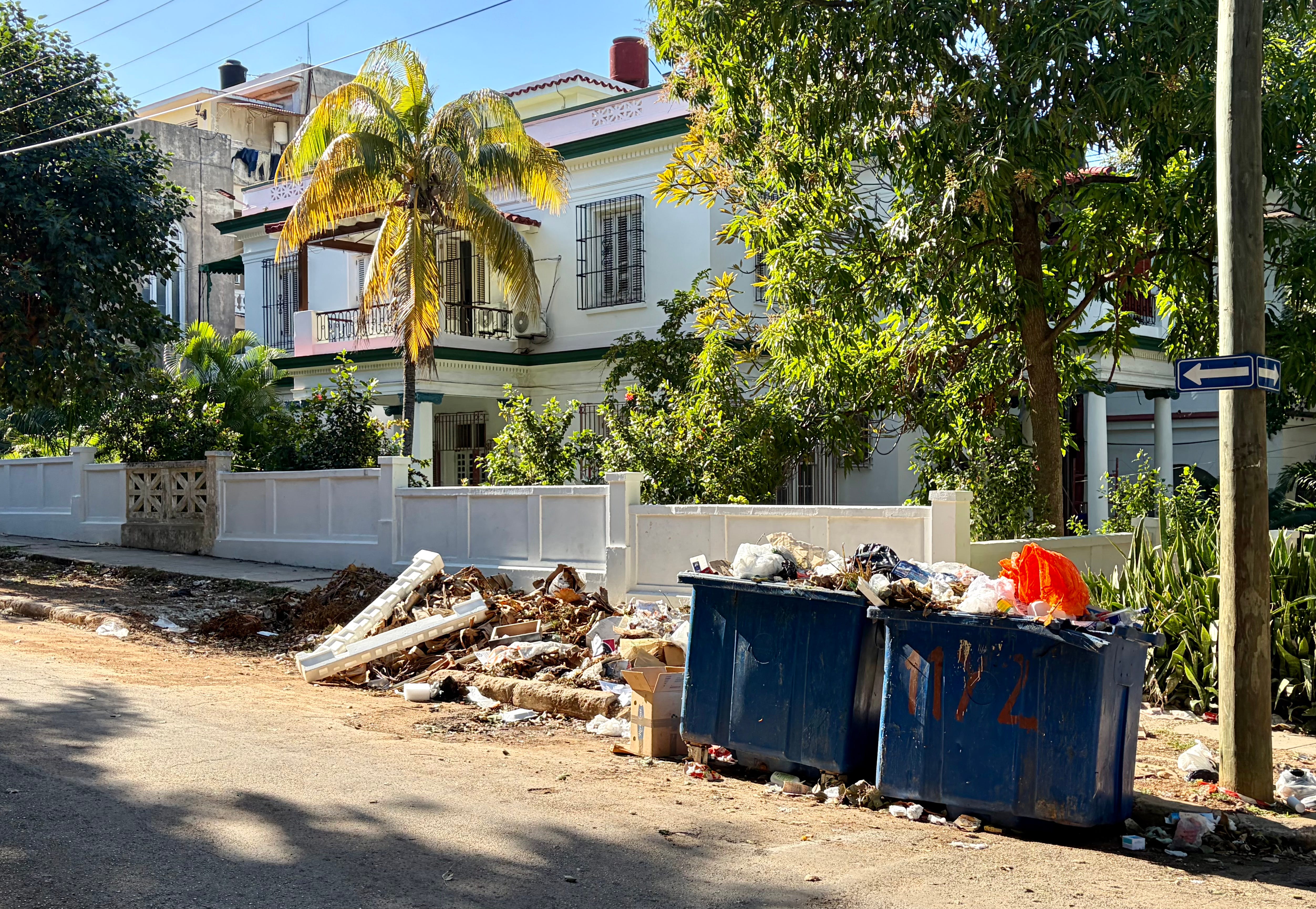
The streets of Havana look empty, desolate. Young people are now a rare occurrence in a city that was known for a vibrant youth culture in the past. Seniors spend their days in endless bread lines or trying to draw their meager pensions from ATMs to pay for just a few staples, as Cuba is a cash-based society. The government does not pick up the trash for weeks at a time, and for a long time now, piles of garbage and refuse grow even next to well-to-do residences in previously posh neighborhoods like Vedado or Playa. The panorama in the rest of the country is even worse, with recounts of hollowed-out towns, collapsed services, and longer daily blackouts than Havana endures. Cuba’s fragility thus gives the U.S. potential leverage if any negotiations ensue—despite official statements that the island won’t collapse and a rebound strategy is already in place.
Historically, the U.S. government position towards Cuba has been regime change. Today, Washington’s foreign policy for the Western Hemisphere is a brainchild of Marco Rubio. His reasoning seems to be that coalitions of left-wing governments and right-wing juntas both had their chances and they blew it: now is the turn for a hybrid model where U.S. intervention is back on the board, but quickly followed by a managed market opening and governance structure that secures space for U.S. interests, not by boots on the ground. Yet, it is not clear from his policies how he tallies human costs. Mr. Rubio himself is of Cuban heritage and has a track record of staunch support for regime change in Cuba, Venezuela, and Nicaragua. After the events in Caracas this past January, Rubio’s policies are no longer confined to the U.S. Senate floor—and thus, his statements should be taken seriously, if not literally at times.
Rubio’s tenure advising aggressive stances to Trump will produce very adverse results for the Cuban people, as is the case already. In the meantime, decision makers in Havana seem convinced that their approach is in touch with the realities of the Cuban public—somehow. They also insist that longstanding U.S. sanctions are to blame for most, if not all, of the country’s woes. It is the case that U.S. sanctions hurt, but picking up the trash, limiting private sector growth, or managing dissent are solely internal decisions.
What to read next:


See The Southern Trade on Google
Want The Southern Trade analysis at the top of your feed? You can tell Google to prioritize this source by clicking on the button below.

© 2026 Manuel Reyes, The Southern Trade Group™. All rights reserved. Content may not be reproduced without permission.
Garbage trucks need gasoline.