

Cuba's Resources Under Maximum Pressure: Reforms Announcement vs. Sanctions Reality
Focus: Exxon Supreme Court Ruling, June 23 Sanctions, and Cuba's 176 Reform Measures | ST Monitor | June 2026


In this Edition | June 2026
Cuba is simultaneously announcing the most ambitious economic reform package in years while facing intensified U.S. sanctions and additional legal pressures. Three developments were chosen to illustrate the widening gap between Havana’s announced intentions and Washington’s ongoing legal and financial encirclement. The core contradiction is evermore clear: Cuba is attempting a highly controlled and narrow economic liberalization within a socialist framework, while the U.S. is increasingly compressing the space for maneuver of Cuban state-linked entities.
Any interpretation of the situation in Cuba that does not put this dichotomy at the forefront of its analysis is missing the lead indicator of the U.S. preferred approach to its foreign policy goals there.
The ST Monitor proprietary classification is applied to interpret specific developments based on their phase of execution. Some plans remain at the level of (1) political signaling without an operational framework; others are (2) constrained within permission-based systems; and others are (3) fully operational and institutionalized. The cases chosen for this edition should be read through that lens:
Level 1 — Pre-policy (no executable framework exists)
Level 2 — Constrained execution (activity exists but is permission-bound)
Level 3 — Execution Phase (system is operational and institutionalized)
ExxonMobil v. CIMEX: Supreme Court Strips Cuba’s Sovereign Immunity under Helms-Burton Act
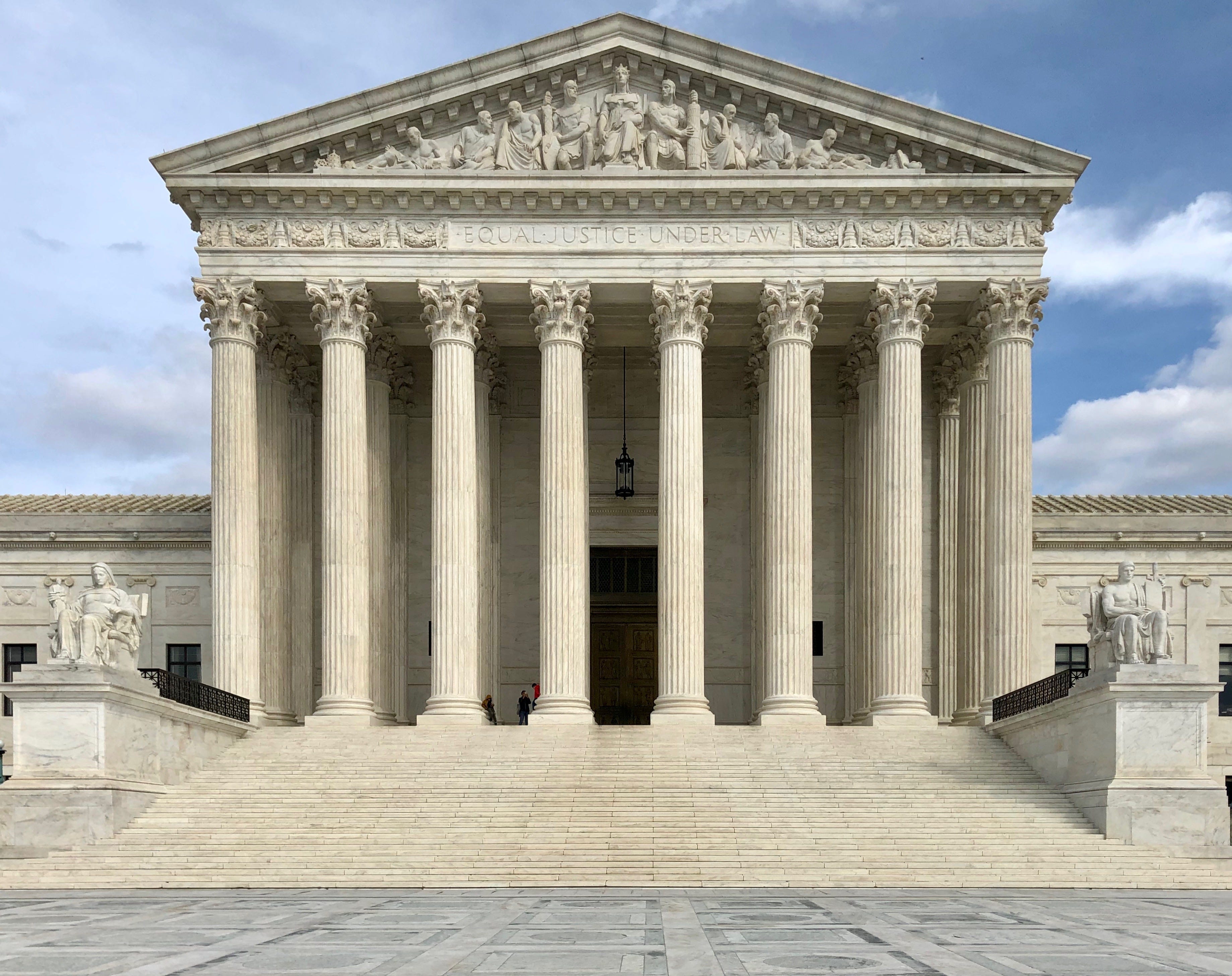
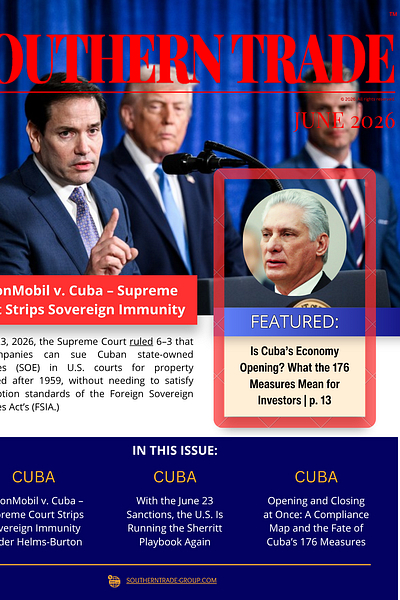
On June 23, 2026, the Supreme Court ruled 6–3 that U.S. companies can sue Cuban state-owned enterprises (SOE) in U.S. courts for property confiscated after 1959, without needing to satisfy the exception standards of the Foreign Sovereign Immunities Act’s (FSIA). Justice Kavanaugh wrote for the majority. Justice Kagan dissented, joined by Sotomayor and Jackson. The D.C. Circuit’s judgment was reversed and remanded.
The Supreme Court ruling further incorporates litigation into Washington’s unprecedented toolkit to pressure the Cuban government to the negotiating table.
The Facts of the Case
Cuba’s government confiscated Standard Oil’s refinery, terminals, and over a hundred service stations beginning in 1960. Two Cuban SOEs—Unión Cuba-Petróleo (CUPET) and Corporación CIMEX, S.A.—have operated and profited from those assets since. In 1969, the Foreign Claims Settlement Commission certified Exxon’s claim at over $71.6 million. Accounting for prejudgment interest and Title III’s statutory treble damages, that figure now exceeds $1 billion. On May 2, 2019, Exxon sued both entities, and CIMEX’s Panamanian alter ego (or front company)—the same day the State Department lifted the presidential suspension of Title III that every administration had exercised continuously since 1996. The District Court dismissed the case on FSIA grounds. A divided D.C. Circuit (appeals) panel affirmed that dismissal, which the Supreme Court has now reversed in favor of Exxon.
The June 23 Holding
A plaintiff suing a “Cuban agency or instrumentality” under Title III of the Helms-Burton Act does not need to satisfy any FSIA’s enumerated immunity exceptions. The Helms-Burton Act itself effects the abrogation (or elimination).
The reasoning rests on FOUR points: (1) Title III’s cause of action runs expressly against “any agency or instrumentality of a foreign state,” which the Court reads as an abrogation of immunity under its own precedent in Kirtz. (2) Requiring FSIA compliance would gut the cause of action, because the embargo that Helms-Burton simultaneously codified makes the only available FSIA exceptions nearly impossible to satisfy. (3) Congress placed these suits under 28 U.S.C. §1331, the general federal question statute, not §1330, which governs FSIA suits. And (4) the Act’s grant to the President of plenary power to suspend Title III suits mirrors the pre-FSIA immunity regime, in which immunity was an executive determination, not a judicial one.
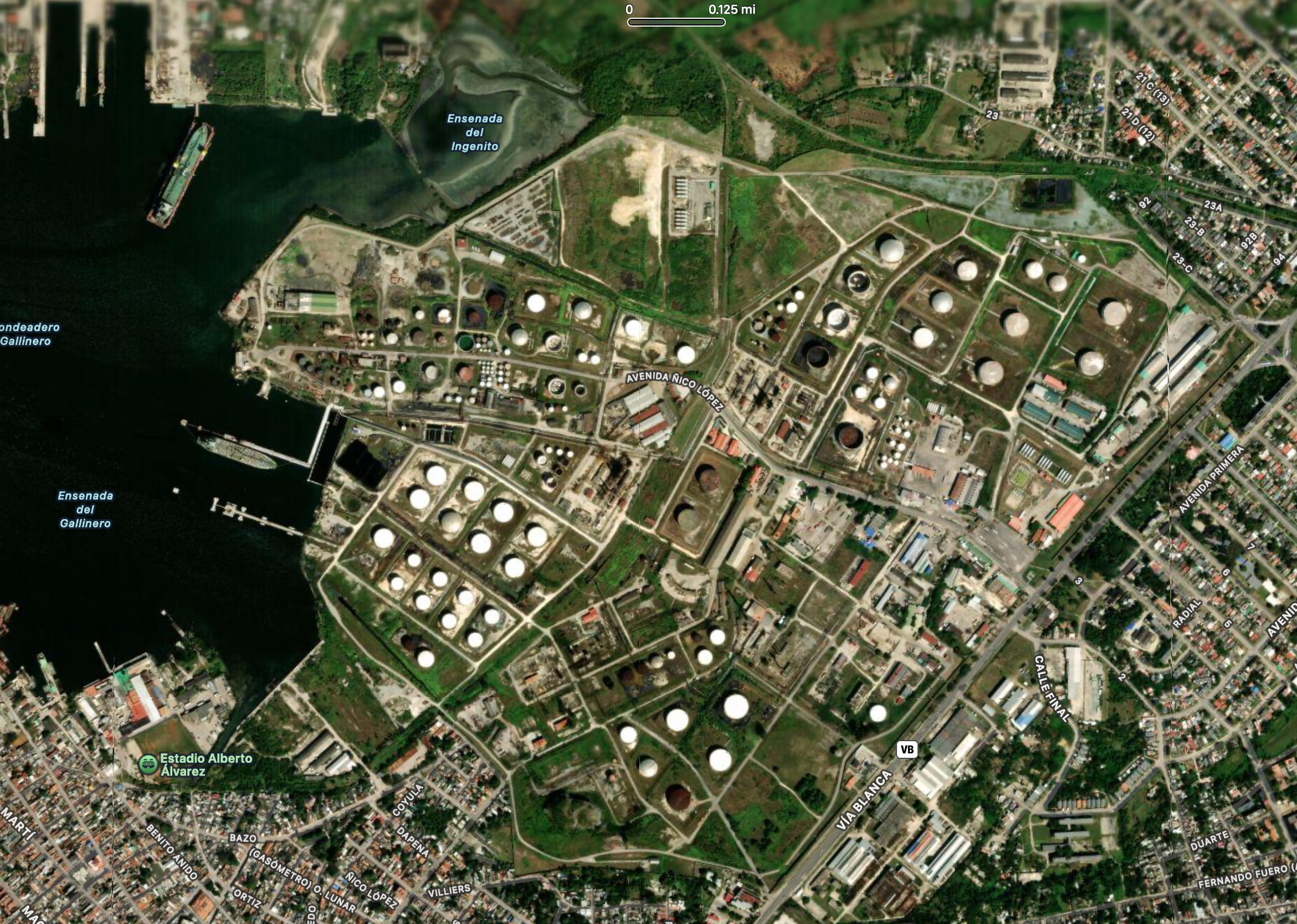
In other words, U.S. persons suing Cuban SOEs over confiscated property under Helms-Burton do not have to clear FSIA hurdles. Under Kirtz, the Helms-Burton Act cancels out Cuba’s immunity on its own because the law explicitly names foreign state entities as defendants and routes the cases through general federal-question jurisdiction rather than the FSIA framework.
Furthermore, forcing plaintiffs to follow FSIA rules would render the law entirely useless due to the strict U.S. embargo, and the Act’s structure intentionally leaves immunity decisions up to the President rather than the courts.
However, the decision does not settle every matter at hand. The Court expressly reserved whether Helms-Burton abrogates the immunity of non-Cuban foreign instrumentalities, meaning the foreign-state-linked partners now facing designation pressure are not addressed.
In practice, the ruling greenlights the right to sue Cuban SOEs and obtain a judgment, but it does not resolve the right to collect. That is, execution immunity under 28 U.S.C. §§1609–1611 is untouched, meaning that a plaintiff who wins against CUPET cannot simply send U.S. federal marshals to seize a Cuban government cargo ship or a refinery. Those assets are still protected by §1609.
Nevertheless, on the latter point, the majority clarified that a judgment has independent value as “leverage”, and against “future developments in the law or in Cuba.” Also notably, the Court footnoted that such judgements may provide “corresponding incentives for Cuba to democratize,” thus taking a position on the current U.S. foreign policy goals in Cuba.
The Aftermath of the Ruling
The U.S. Supreme Court is warning with this decision that it has an appetite for reading the Helms-Burton Act expansively. The ruling does not change Cuba’s SOEs legal reality vis-à-vis U.S. plaintiffs in the short term. Nevertheless, the outcome indicates that the Court itself is the latest actor to enter a highly-cohesive economic, political, and legal apparatus under a Rubio-led State Department, designed to pressure the Cuban government to reform or succumb.
Moreover, the Court’s decision made Title III a much sharper instrument. It officially verified that Title III of the Helms-Burton Act is indeed designed to act as a geopolitical lever for the White House against Havana. On the one hand, U.S. corporations (like Exxon) are now greenlighted to chase after Cuban SOEs in U.S. courts and predictably win massive judgements, which in turn will inflict immense economic and disclosure pressures on the Cuban government. On the other hand, because the ruling confirmed that the U.S. President retains the statutory right to freeze these suits at any time, it is the White House who holds ultimate control over the legal onslaught, thus giving the administration even more leverage in the negotiations with Havana.
Status: Level 3 – Execution Phase
With the June 23 Sanctions, the U.S. Is Running the Sherritt Playbook Again
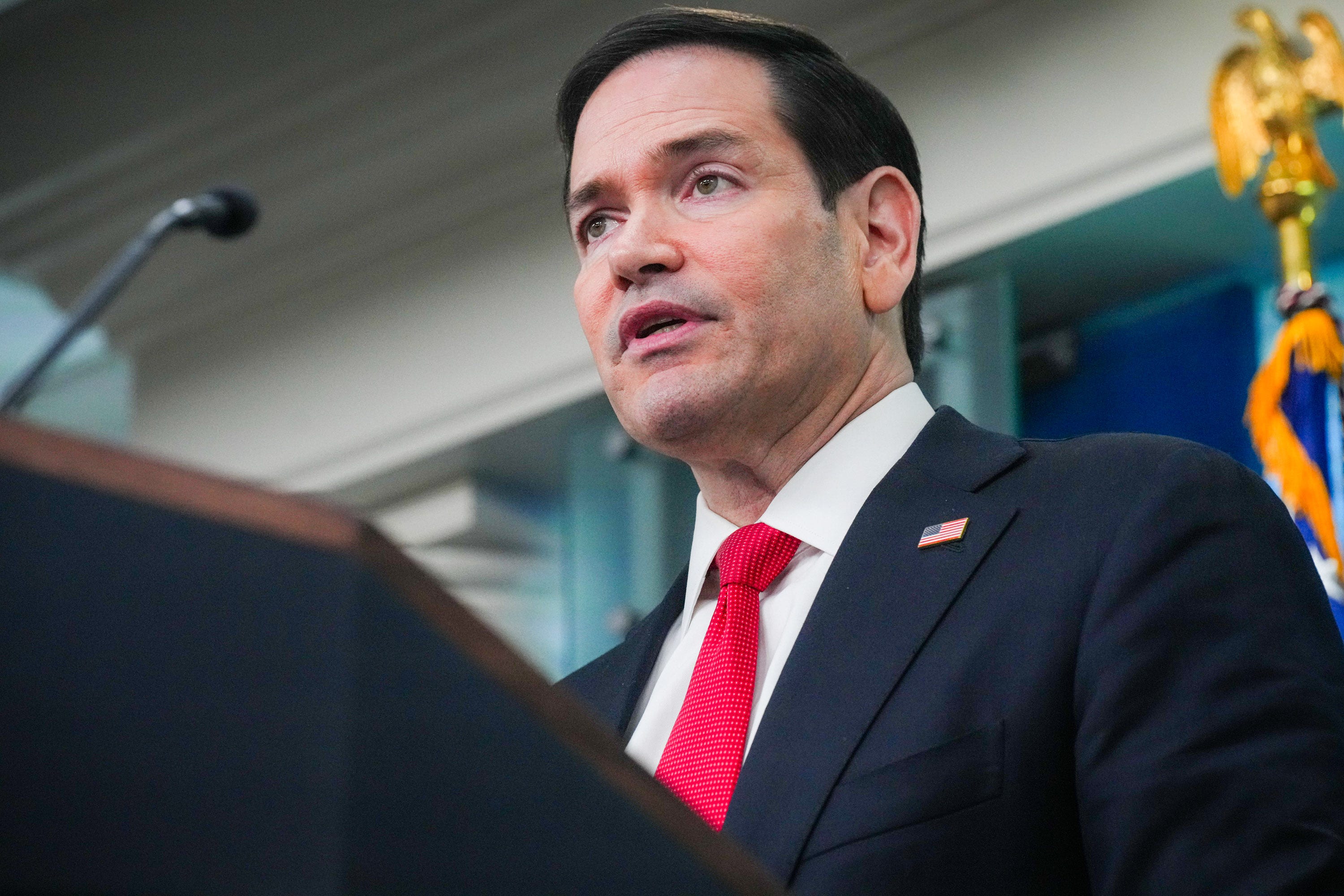
On June 23, the U.S. State Department and U.S. Treasury sanctioned an additional five Cuban state-owned entities (SOEs). At face value, the designations of GeoMinera S.A., RAFIN S.A., Banco Financiero Internacional (BFI), AUSA, and Empresa Siderúrgica José Martí seem to fit the usual plan of quarantining Cuban government assets to try to cut off hard-currency flows.
However, this new development surfaces an emerging pattern alongside the takeover of Sherritt’s nickel-cobalt operation in Cuba by U.S.-based Gillon Capital. Washington, it seems, may be doing something more than freezing assets for the sake of its own policy objectives. The U.S. administration may be increasingly matching its political goals with attempts to acquire the assets it sanctions, thus defining a new playbook in the decades-long diplomatic rift.
The approach points to a highly pragmatic (and effective) new strategy towards Cuba, where the U.S. foreign policy objective is two-fold: political and economic, and they are not mutually exclusive. Past U.S. administrations—including Trump’s own first term—have never shown this level of sophistication, coordination, and willingness to use its complete arsenal of diplomatic, economic, and legal tools to pursue its policy goals in Cuba.
The New Technique
Since May, Washington has been sanctioning the joint-venture (JV) vehicles through which Cuban SOEs partner up with foreign companies, not merely the Cuban state parents behind them.

On May 7, Moa Nickel S.A. (MNSA)—the nickel-cobalt JV operation between Sherritt and Cuba—was designated by the State Department, with language explicitly bridging to post-1959 expropriations: Moa Nickel “profits” from assets “confiscated” from U.S. persons and corporations. The rapid sequence of events that followed led Sherritt to hand a warrant to U.S.-based Gillon Capital for 55% of its nickel-cobalt JV share, at a distressed price. I previously documented that affair and its consequences.
Now, a month later, two other companies with somewhat similar situations are one cycle behind of the fate of Moa Nickel, and rapidly entering the same position Sherritt faced:
a. Antilles Gold
On June 4, OFAC designated Minera La Victoria S.A. (MLV), the joint venture between Antilles Gold and Cuban SOE GeoMinera. The venture operates a gold-silver-antimony mine and a copper-gold mine in two different locations in Cuba and holds several standalone copper concessions. On June 5, Antilles Gold requested an emergency trading halt on the Australian Securities Exchange (ASX), pending an announcement of their reasons for the request. On June 10, Antilles Gold provided the rationale for the trading halt request, arguing “uncertainty” over the “current and future impact on its assets and activities in Cuba” following sanction and designation of its JV by OFAC.
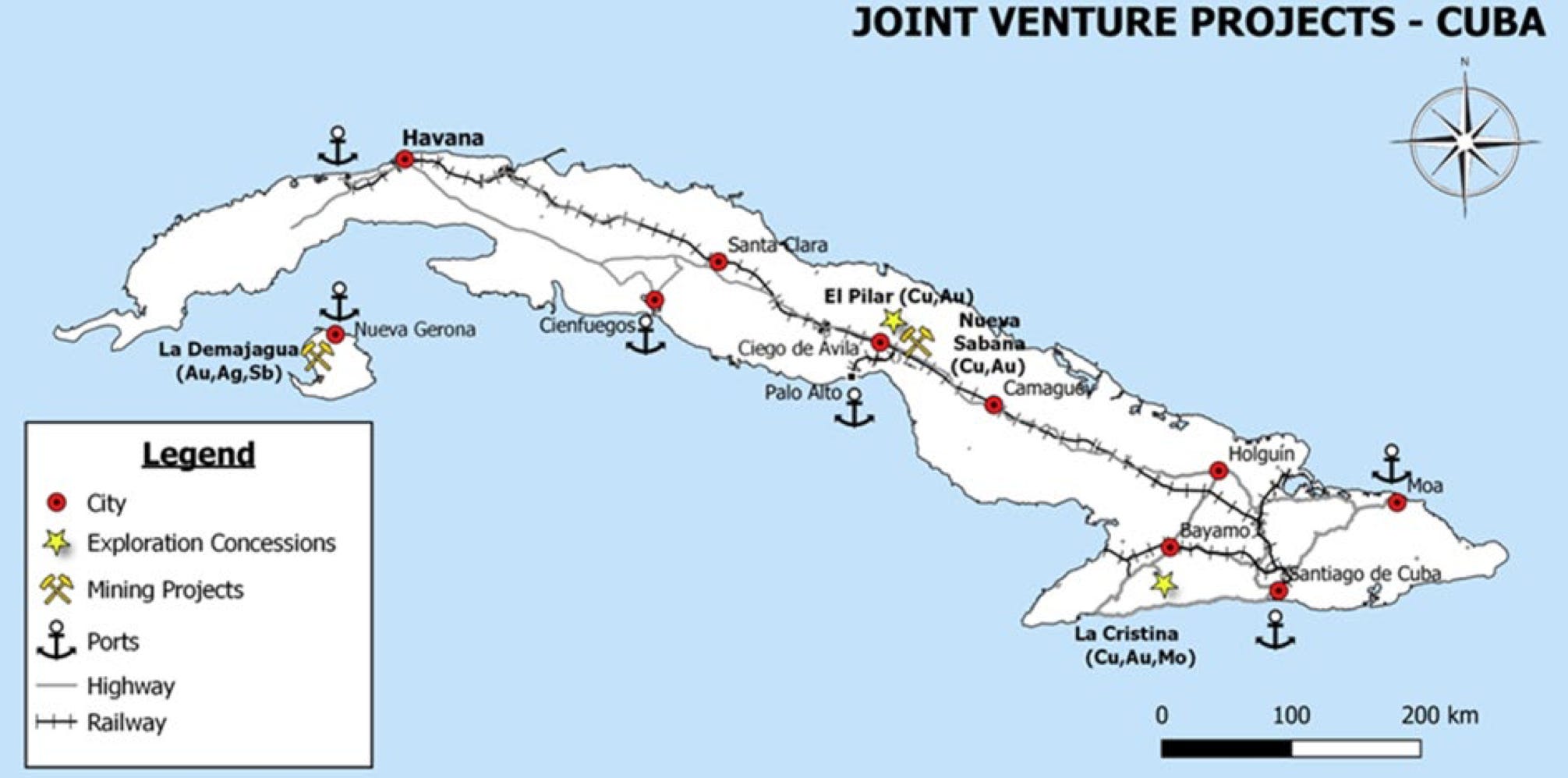
On June 18, the company confirmed it had suspended direct management and funding of MLV, while announcing it had entered “discussions” with the U.S. Department of State to “put forward a proposal” on the matter “in the near future.” On the same day, additionally, the ASX announced that Antilles Gold stock trading would resume.
Antilles Gold clearly learned from the May developments and acted much faster than Sherritt, voluntarily freezing its stock price immediately after the sanctions, and entering negotiations with the State Department thereafter. It is clear that they did so to save the JV from a cratered valuation, vis-à-vis the negotiations that are coming. That part of the problem seems to have been sorted out, given the “negotiations” announcement that followed and the lifting of the trading halt order.
However, the JV will not be saved from the same issue that sank Sherritt’s nickel-cobalt operation: once sanctioned by OFAC, accounts receivables stay frozen in the balance sheet of the JV and collectability becomes a legal issue that only the U.S. government can unlock. Thus, the door is wide open once more for a U.S.-based actor to step in and obtain U.S.-government clearance to acquire the assets.
b. Trafigura
GeoMinera’s June 23 designation hits Trafigura’s Cuba exposure directly. Possibly foreseeing the situation, Trafigura had already begun halting shipments of zinc concentrate from the Castellanos mine in western Cuba to external buyers since the MLV sanctions on June 4. Geominera’s designation now makes Trafigura’s Cuba zinc business face the same decisions Antilles Gold must make.
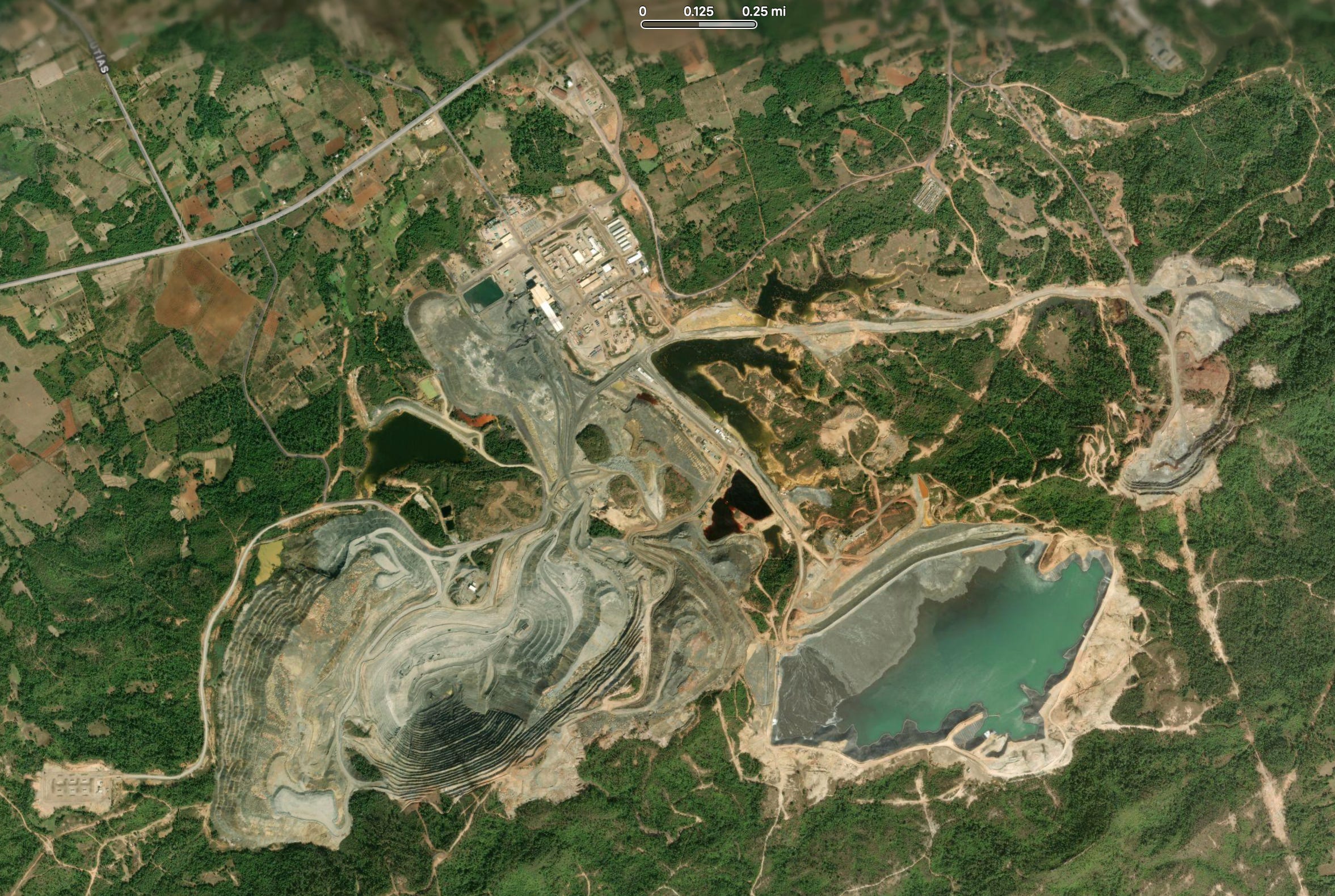
The JV-level designation strips the foreign partner of legal insulation. The State Department’s own language bridges the sanctions track to Title III, which the Exxon ruling—decided on the same day as Trafigura’s JV designation—has made more enforceable against all Cuban SOEs and its partners.
The Conclusion: A Mad Dash for Cuba’s Critical Minerals
Moving forward, it is not unreasonable to expect this emerging architecture to be repeated by the U.S. on a rolling basis: designate the Cuban JV, try to distress the foreign partner, and position a U.S.-aligned buyer under a non-objection blessing by the State Department and Treasury. This is now a template that the U.S. government seems to be running intently and in a highly coordinated way.
In two months, the U.S. government has paralyzed and put severe pressure on all of Cuba’s foreign-partner operators of its nickel, cobalt, gold, silver, copper, antimony, and zinc assets. With maximalist foreign policy goals at the forefront of the equation, Washington is moving swiftly to secure Cuba’s whole host of critical minerals, through a combination of timely sanctions and market opportunism that is producing compliance-driven exits by foreign partners of the Cuban government. Thus, commentary fixated on the Iran or Venezuela blueprints as analogous to Cuba is looking for clues in the wrong place.
Status: Level 3 – Execution Phase
Opening and Closing at Once: A Compliance Map and the Fate of Cuba’s 176 Measures
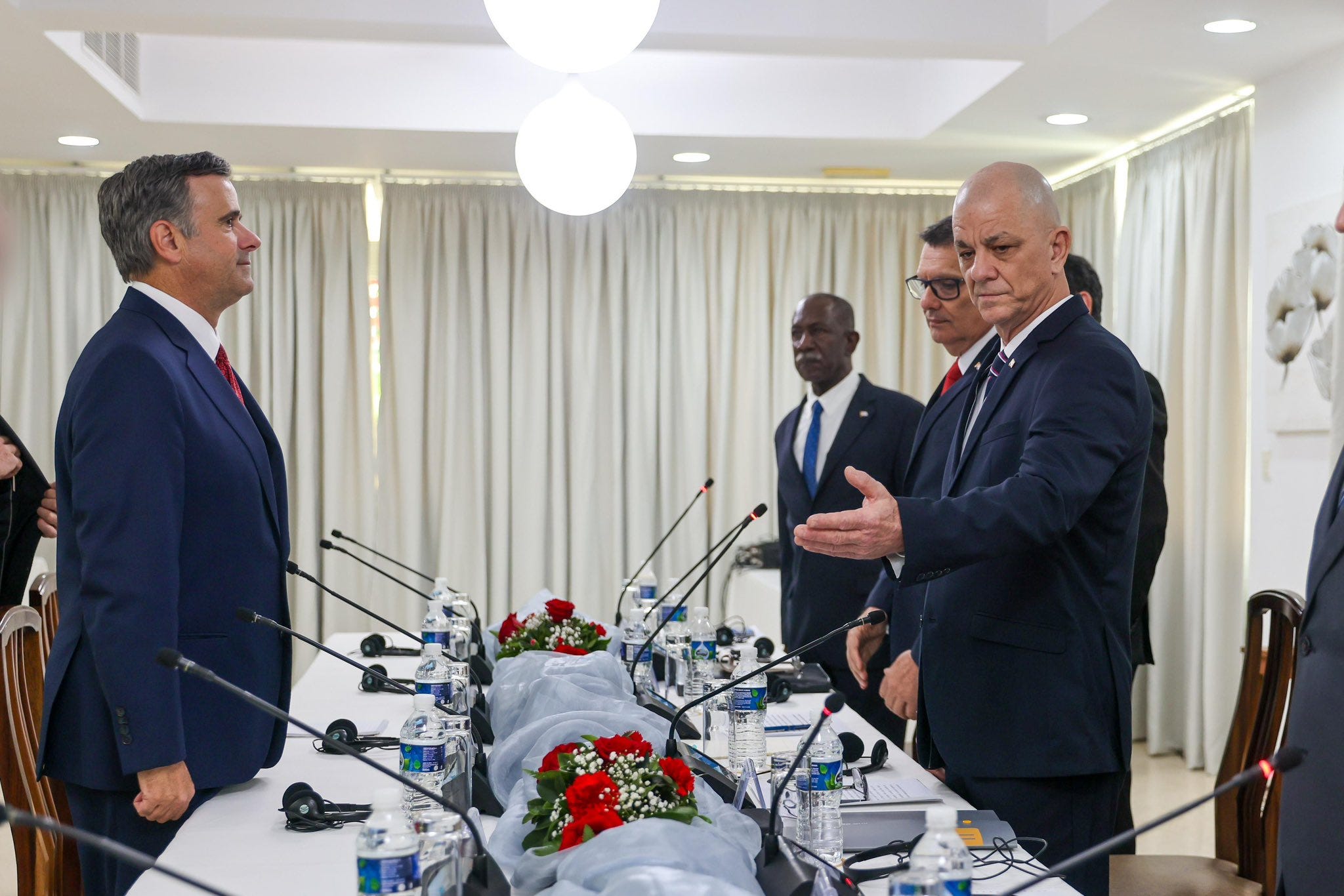
Cuba’s June 18 reform package and the June 23 sanctions are not disconnected from each other. Narratives to the contrary are incorrect. Both set of actions landed roughly the same week, on the same assets, from opposite directions. Havana is offering foreign investors joint-stock equity in converted state enterprises, private banking access, and less stringent state controls over the Cuban economy. Washington sanctioned the bank (BFI) through which virtually all foreign-entity transactions in Cuba clear, the offshore financial node and investment vehicle (RAFIN S.A.) of Cuba, and the logistics operator (AUSA) at Cuba’s only modern port. Investors caught between those two announcements face a compliance labyrinth that neither reforms nor sanctions alone fully explain.
U.S. Sanctions: The Renewed Old Perimeter
For U.S. persons, the Cuban Assets Control Regulations (the Embargo or CACR) remain the governing framework. Likewise, the Helms-Burton Act has emerged reinforced after the Exxon decision. Furthermore, the designations issued under E.O. 14404 and previous orders are off-limits without specific licenses, and General License 1 preserves only what the Embargo already permitted. The supposed “capitalist opening” contained in the 176 measures proposed by Havana won’t be able to change any of it, given Washington’s position against an economic opening without political reform in Cuba.
The new sanctions fall mostly on non-U.S. persons. OFAC’s Frequently Asked Questions (FAQ) 1258, issued on June 4, establishes that secondary-sanctions risk under E.O. 14404 extends to any Cuban entity 50% or more owned—directly or indirectly—even where the entity itself is not named on any list. Given that Cuban SOEs tend to monopolize all activities and assets within entire sectors, that 50% rule almost certainly means that a future “joint-stock company” in Cuba can inherit the parent’s sanctions without inheriting the parent’s name.
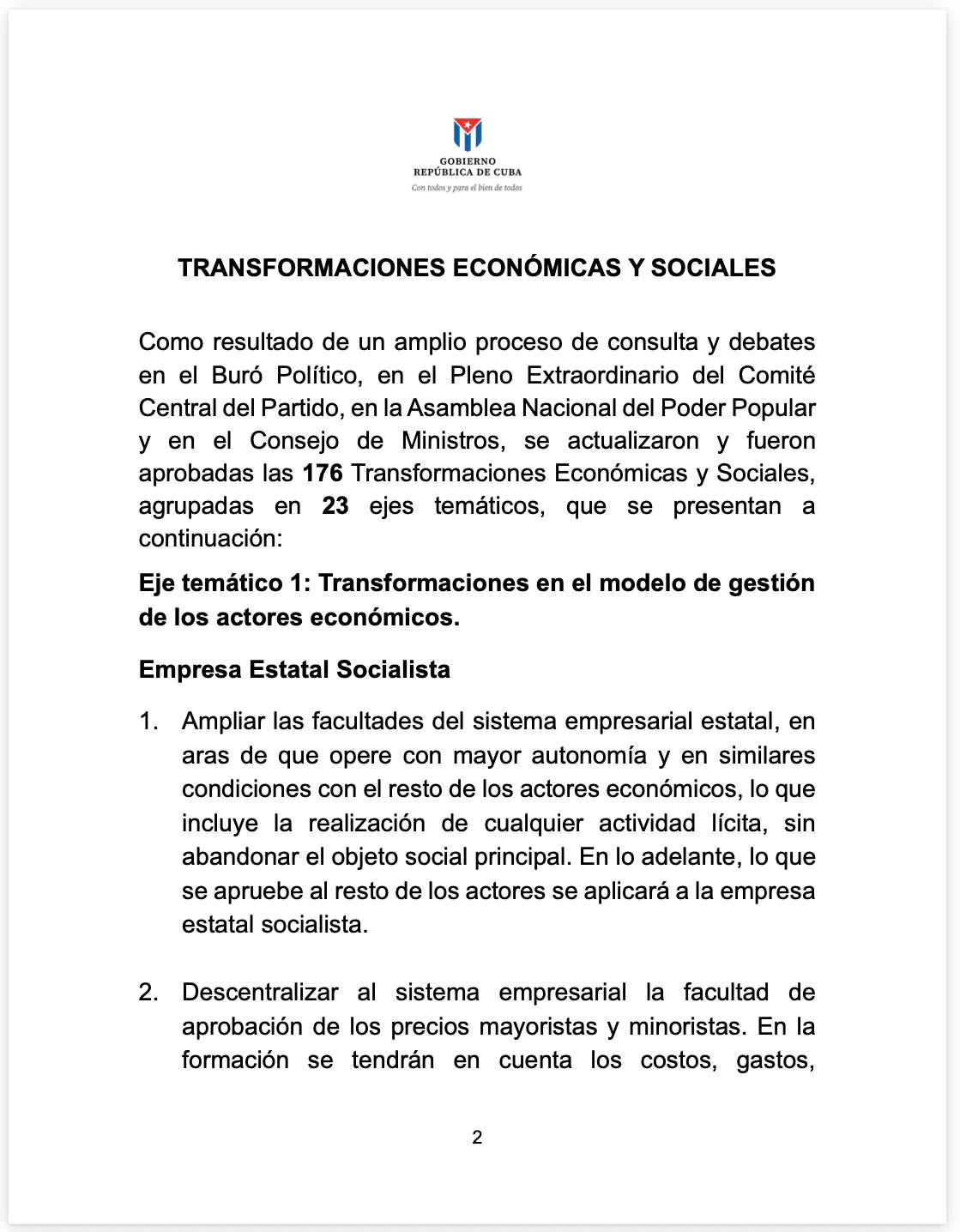
In other words, because Cuba’s economy is entirely dominated by a few massive, state-run monopolies, investors cannot escape the fresh class of sanctions. If one parent SOE controls an entire industry like mining or logistics, every single subsidiary, joint venture, or spin-off it touches inherits that 50% ownership rule and is automatically blacklisted.
From a compliance standpoint, list-screening alone will no longer be enough to complete due-diligence analyses. Now, compliance officers will have to ask whether the counterparty asset appears on a list and who is it that, tracing upstream, owns it.
Investment: A Two-Layer Diligence Problem
The 176 reform measures invite foreign capital, but the Helms-Burton Act revokes that invitation. Title III liability attaches to “trafficking” in property taken on or after January 1, 1959—entirely independent of any sanctions list—and the Exxon decision has clarified that suits against Cuban SOEs no longer require the plaintiff to clear the FSIA requirements. Thus, due diligence on any new Cuban joint-stock vehicle brought about by the reforms will run on two parallel tracks.
First, the sanctions track: does any parent or affiliate company qualify as an entity under the 50% rule, tested against OFAC guidance and the Cuba Restricted List?
Second, the Title III origin track: does the underlying land, plant, or concession trace to property “confiscated” from a U.S. national on or after January 1, 1959, tested against the Foreign Claims Settlement Commission registry and historical chain-of-title?
These are different methodologies, which require different expertise, and each is independently fatal to an investment. Both exercises will have to be completed before any investment commitment is made.
Final Considerations: Anti-Money Laundering (AML) and Payment Infrastructure
BFI served as Cuba's bank for foreign-entity transactions nationally, and RAFIN managed its offshore financial flows. Both are now designated under OFAC. The most immediate consequence will be that correspondent banks will de-risk Cuba-linked financial flows, pushing those transactions toward less transparent channels, which is where AML complications concentrate usually.
For non-U.S. financial institutions, the European blocking statute framework built in response to the 1996 Helms-Burton was not designed for a 2026 secondary-sanctions regime with the reach of E.O. 14404. The old strategy of avoiding U.S. dollars to safely trade with Cuba in Euros or local currencies no longer works. Under the new rules, the U.S. will completely cut a foreign bank off from the U.S. dollar network if they catch them handling any significant Cuban business, regardless of the currency used. That is, to protect their access to the U.S. financial system, overseas banks are now forced to aggressively hunt for hidden Cuban SOE owners, screen all local-currency partners, and audit their past transaction history for any hidden violations as baseline requirements, not optional enhancements.
Overall, even if Cuba’s reforms open space for foreign capital, the legal perimeter contracted much faster than the reforms will ever expand. The effects of the new round of sanctions and of the Exxon decision will outlast and outweigh whatever opportunity the reforms create. This is so because the new sanctions will create a corporate governance risk that no company will have an appetite for, and a Title III judgment, once obtained, will age into a claim against a future Cuba that may soon look very different. Investors reading only the reform announcements in Havana are missing the important half of the story.
Status: (176 Measures) Level 1 – Pre-Policy
Status: (U.S. Sanctions Enforcement Mechanism) Level 3 – Execution Phase
If you liked today’s issue, forward it to anyone who should be reading it
🔗👇 Share this newsletter by clicking the icon below!
See The Southern Trade on Google
Want The Southern Trade analysis at the top of your feed? You can tell Google to prioritize this source by clicking on the button below.
© 2026 Manuel Reyes, The Southern Trade Group™. All rights reserved. Content may not be reproduced without permission.


.jpg?uselang=en#Licensing)
