

Gustavo Petro and the Abolition of Corporate Governance in Ecopetrol
Ecopetrol’s corporate governance is collapsing under CEO Ricardo Roa and President Petro, threatening shareholder value and Colombia’s fiscal stability. Political interference risks long-term damage.

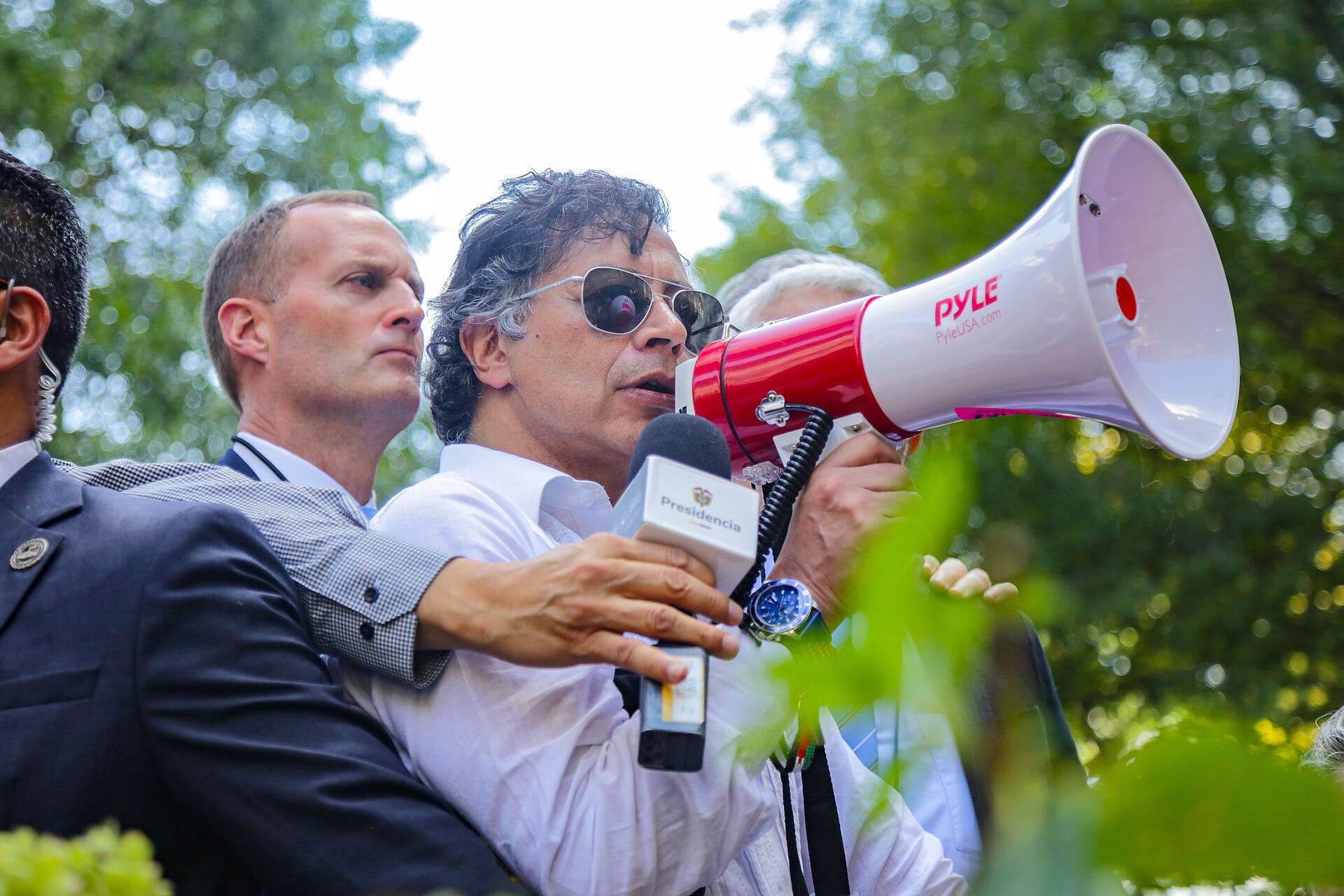

Ricardo Roa, Ecopetrol’s CEO, is in the news again these days over corruption accusations. The executive remains formally implicated in alleged electoral irregularities tied to Gustavo Petro’s 2022 presidential campaign, despite continued support from his board. This, of course, is not good news for the business he runs nor for its shareholders. Corporate governance of the company that shoulders up to 10% of Colombia’s annual revenues is in freefall.
Political interference by the Petro administration is dismantling the board of directors’ independence at Ecopetrol, inflating costs and forcing the rejection of valuable business. These developments are setting the stage for potentially long-term damage to Colombia’s economy. Undue government influence over Ecopetrol threatens not only shareholder value, but also the country’s fiscal backbone and future business climate.
Ecopetrol is Colombia’s biggest oil producer and one of the largest on the continent. The company is listed in the New York Stock Exchange (NYSE), and it is a majority-state owned company. The government of Colombia holds over 88% of the company’s stock, with the remainder publicly traded. In November 2025, Colombia’s Electoral Board (CNE) imposed a fine of ~$1.4M on Roa and other Petro campaign associates for violations of campaign finance rules on spending limits. This was an administrative process, and President Petro vehemently objected to the finding against the CEO, attributing it to a political persecution by the opposition. Now, the attorney general has also indicted Roa over the matter. Furthermore, the executive’s legal woes are only increasing. Roa is also being investigated for an apartment purchase he made, after the original owner was granted Ecopetrol gas concession contracts, allegedly with Roa’s influence.
At this point, the situation is hardly surprising. Roa’s tenure at the helm of Ecopetrol has been marked by controversial decisions inside the company, including alleged interceptions of internal communications and interferences with contract management processes. Additionally, Roa’s character has repeatedly been called into question by a number of Colombian senators, after he disobeyed summons at Congressional hearings. As the president of a majority-state owned company, Roa is considered a public servant under Colombian law, and his conduct is subject to stricter standards than private individuals.
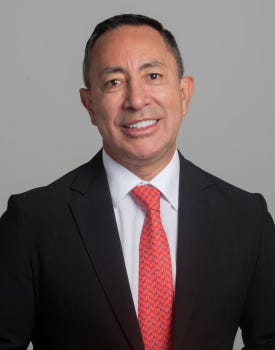
Roa was appointed Ecopetrol’s CEO soon after Petro assumed Colombia’s presidency. The Petro administration has an aggressive anti-fossil fuel policy that orchestrated a fracking ban in Congress and halted exploration projects in Colombia, including suspending agreements with ExxonMobil in 2023. Instead, President Petro favors a renewable energies transition agenda. Ironically, his ex-campaign manager, Roa, has been the one quietly pushing back in favor of more conventional exploitation of fossil fuels. However, Roa remains a close political ally to Petro, so he has dutifully enforced Ecopetrol’s green transition since his appointment. Consequently, the company’s legacy business and its bottom line have taken a nosedive.
Under Roa, Ecopetrol’s key performance metrics have declined sharply from their 2022 peak. Net income fell from $7.85B in 2022 to $3.6B in 2024. Likewise, earnings before interest, taxes, depreciation, and amortization (EBITDA) dropped ~28% over the same period. The company’s share price remains well below its 2022 year‑end levels, despite intermittent rebounds. Proven reserves are down a net 3.3% overall (2,011 mmboe in 2022 to 1,944 mmboe by end-2025), even after a small recovery last year. The moratorium on new exploration, however, means the company’s remaining reserves will be depleted by 2030. Consequently, Ecopetrol is sweating its wells from mature fields to offset the loss of reserves.
Under the previous Iván Duque administration (2018-2022), Ecopetrol benefited from pro-oil policies and oil price recovery post-COVID, leading to growth and overall profitability in early 2022. This is not to say that Ecopetrol was free of problems under Duque, but in the Petro era, the moratorium on new licenses, tax reforms, and alleged political interference have notoriously coincided with declines in profits and share value, fewer business opportunities, and elevated executive turnover.
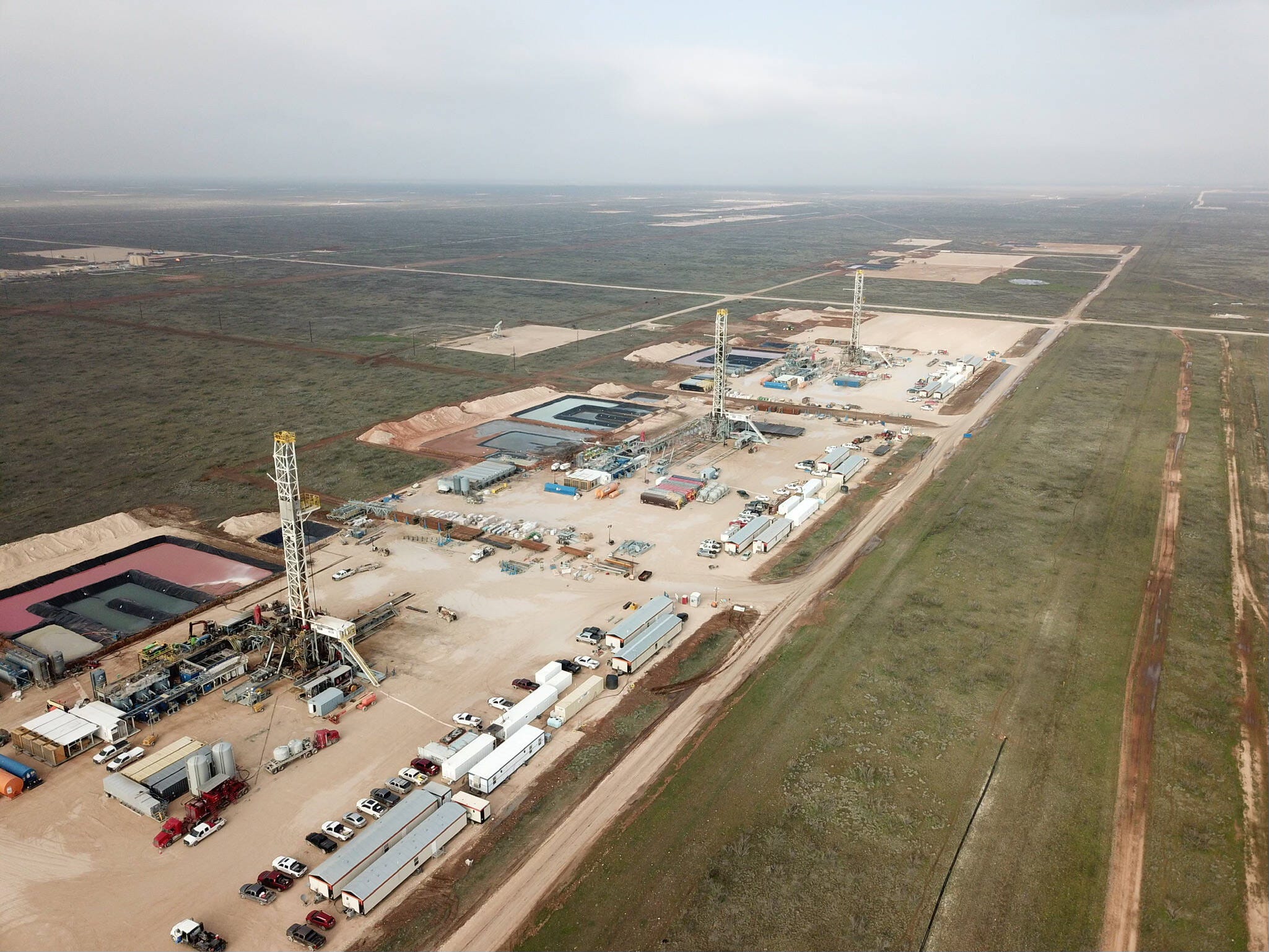
It is true that the Petro administration has faced challenging global factors like oil price volatility, but Colombia’s president inherited a profitable company with rising reserves that also greatly benefited from a spillover of talent fleeing neighboring Venezuela and economic collapse. Oil engineers, geologists, lawyers, logisticians, and operations managers have been leaving Venezuela in droves for Colombia since the early 2000s, after Venezuela’s PDVSA was purged of technical experts in favor of corrupt political appointees. This talent managed to bolster Ecopetrol’s production levels to new heights, driving record profits for the company. Now, the company’s downturn under Roa correlates with Petro’s reforms, signaling squandered opportunities and an executive branch progressively encroaching on the company’s business decisions, eroding the board’s independence.
Ecopetrol’s board of directors has been overhauled almost entirely since Petro assumed Colombia’s presidency. To date, 17 executives have either resigned or been ousted. Many departures occurred amid reported turmoil, purges, and government influence on the company, though some were described as voluntary resignations or retirements. This has accentuated the perception that the company’s decisions are increasingly driven by political considerations rather than corporate ones.
One of the most poignant examples took place in 2024, when two executives on the board of directors resigned over the company’s decision to decline the invitation by partner company OXY to increase its position in the Crownrock Project to 30%, in the Permian Basin, Texas. For a company with embattled finances, the Crownrock Project meant further expanding a lifeline of 67,000 barrels of oil extracted daily in one of the most prolific and cost efficient basins in the world. The decision to fold from additional investment only added more uncertainty to the company’s business model.
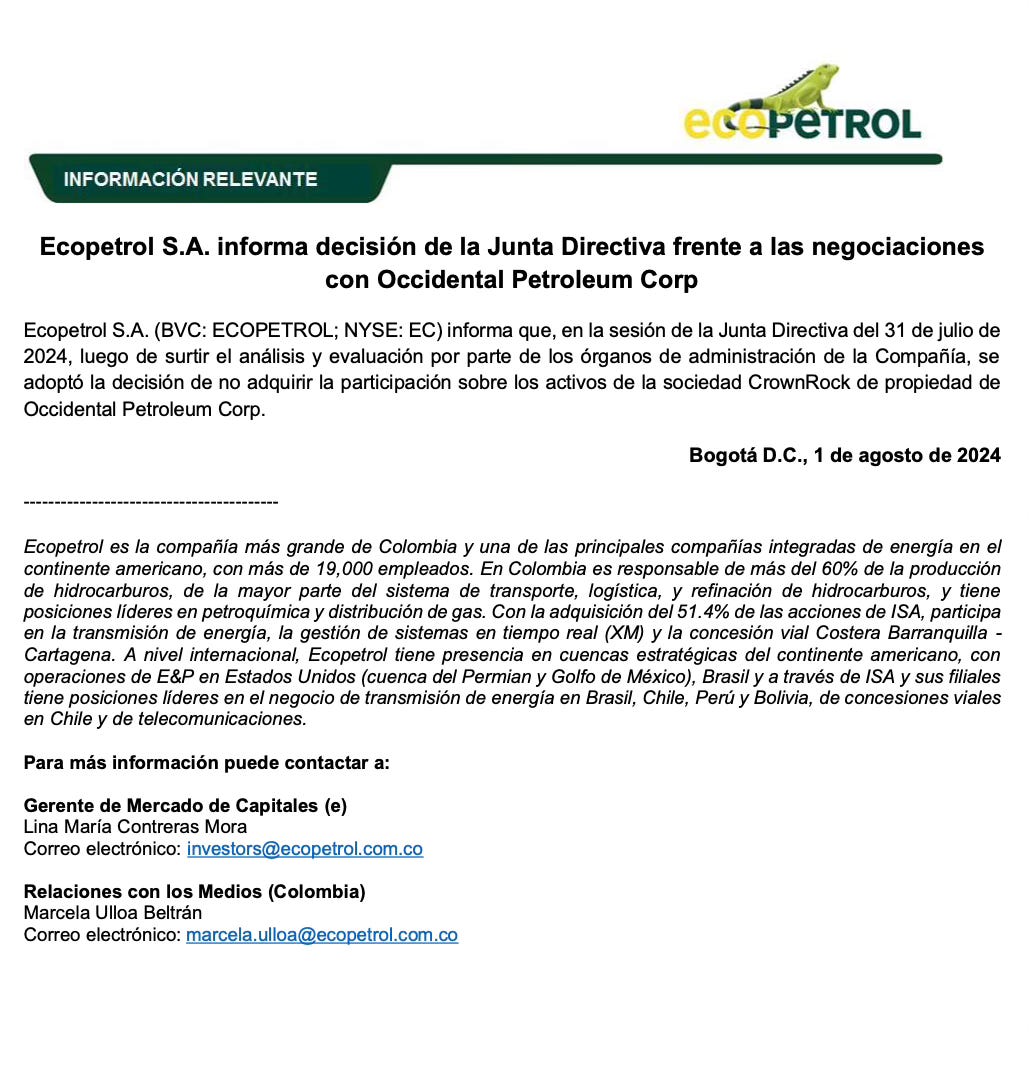
Today, there is still an ongoing public debate in Colombia about Petro’s public desire to sell Ecopetrol’s position in the Permian Basin altogether. Ecopetrol could lose 30% of its value and 10% of its reserves if it sells the company’s most valuable asset.
Ricardo Roa has no opinion on the matter other than favoring the government’s position—that is, Petro’s position. Despite his dismal record, however, it is unlikely that the CEO will be deposed in the upcoming voting season, next month. Shareholders may be less scared of Roa than of a more radical appointment by a presidency bent on imparting policy guidelines to the company.
The Petro-Roa tandem has clearly undermined the board’s independence and the company’s legacy business model, and in practice the pair has abolished Ecopetrol’s corporate governance all but in name. However, losing Ecopetrol to mismanagement is not an option for Colombia. The consequences of the company’s decline may be felt for decades, given its contribution in taxes and royalties to government coffers, and could limit fiscal space for public service delivery and economic development. Indeed, Colombia has some of the region’s highest poverty rates, where over half the workforce is employed in the informal sector, a child born in the bottom decile needs 11 generations to reach the top, and 7.3 million people are internally displaced due to an unresolved armed conflict.
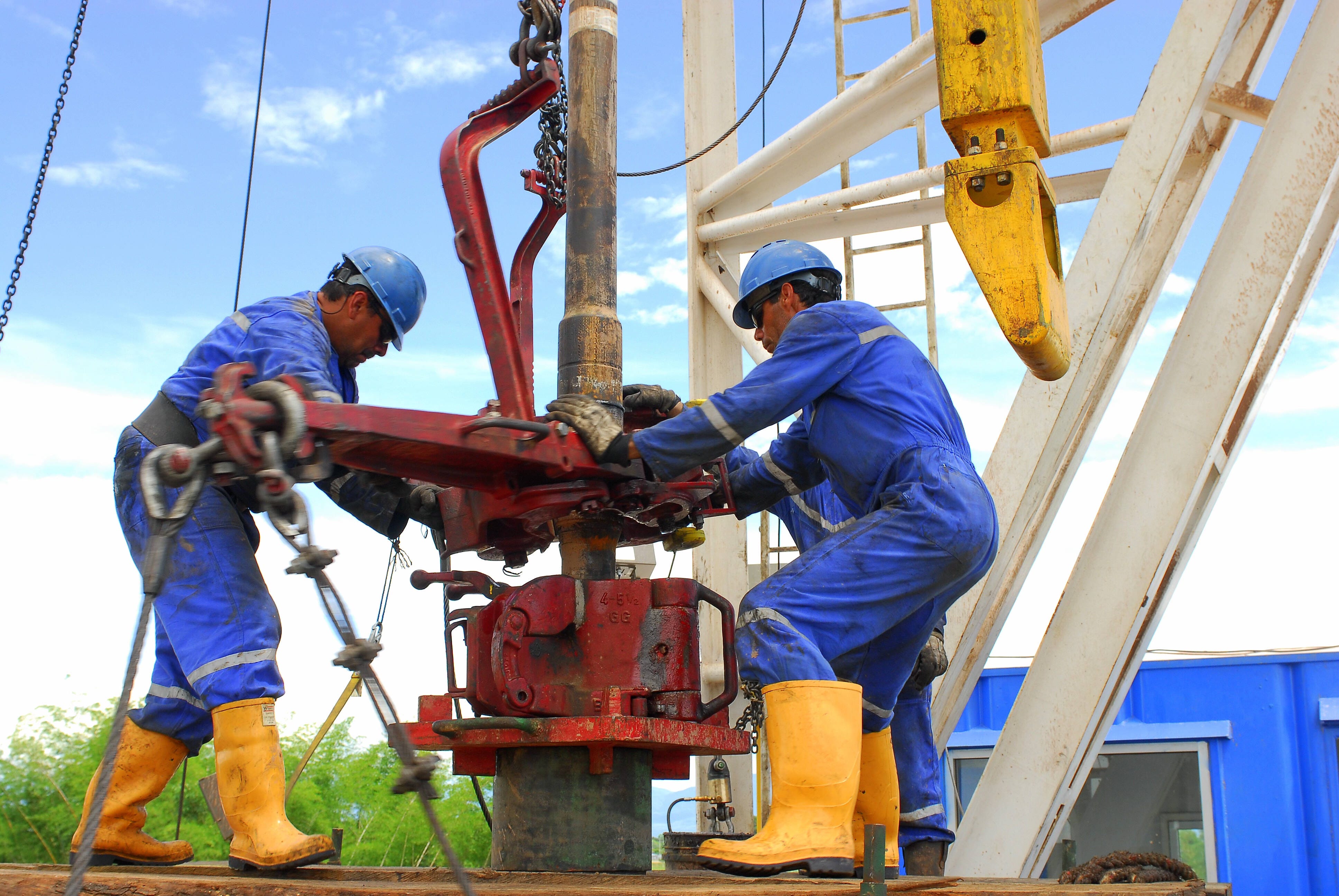
Furthermore, Ecopetrol is listed on the New York Stock Exchange, and it must file its financial reports with the U.S. Securities and Exchange Commission (SEC). Thus, the prolonged legal exposure of its CEO and credible concerns about Petro’s political interference are no longer merely Colombian domestic matters. U.S. securities rules require full disclosure of material risks, including governance breakdowns that could impair fiduciary duties to minority shareholders or even raise issues under the Foreign Corrupt Practices Act (FCPA) under certain circumstances. If U.S. regulators conclude those risks are not adequately addressed, the company could face heightened scrutiny, enforcement, and reputational damage in U.S. capital markets.
In the meantime, on the other side of the Amazon forest and down in the Patagonian deserts, another two state-owned oil companies, Brazil’s Petrobras and Argentina’s YPF, seem to be following a very different model of governance. Both governments have largely refrained from micromanaging day-to-day business decisions, allowing each company’s board greater operational autonomy. While these companies are not free from historical controversies, their governments’ recent approach has coincided with stronger income-tax and royalty flows to the state, accelerated adoption of technological innovations in deepwater and shale extraction, and sustained exploration successes in Brazil’s pre-salt fields and Argentina’s Neuquén Basin. This model seems to be an ironclad rule across partisan lines for both Brazil and Argentina, which are controlled by left wing and right wing parties, respectively. Colombia, on the other hand, appears intent on killing the goose that lays the golden eggs by insisting that political priorities should override corporate governance principles.
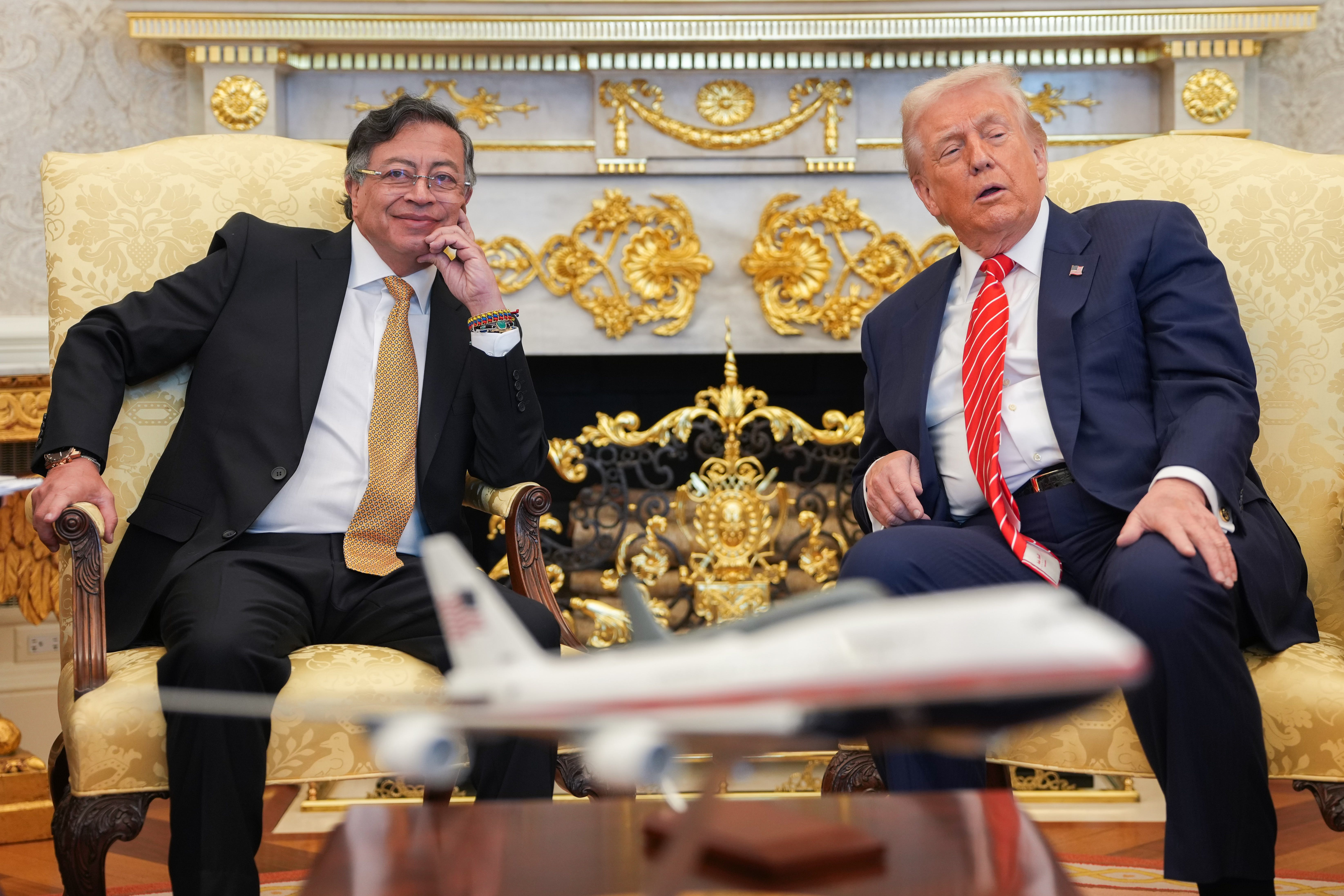
Ecopetrol is not a discretionary instrument of the Petro administration. Rather, it is a majority state-owned company whose fiduciary obligations extend to the Colombian public and to its domestic and international shareholders. If the company’s governance continues to erode at such aggressive pace, the consequences will not be defensible under the guise of political arguments. Under Petro’s and Roa’s influence, the company risks making operations more expensive, and strategic partners may think twice before joining ventures. Minority shareholders may demand higher risk premiums, potentially leading to sovereign credit risk downgrades.
For a country that relies on Ecopetrol for a meaningful share of government revenues, weakened corporate independence will soon stop being a mere political issue and could adversely impact the country’s economy. Next door in Venezuela, Colombia’s neighbors learned that lesson the hard way.
What to read next:


.jpg?uselang=en#Licensing)
See The Southern Trade on Google
Want The Southern Trade analysis at the top of your feed? You can tell Google to prioritize this source by clicking on the button below.

© 2026 Manuel Reyes, The Southern Trade Group™. All rights reserved. Content may not be reproduced without permission.
The future of the company will be determined by the next presidential election. It is hard to believe that the government's candidate will move toward a more pragmatic vision on energy. Additionally, the political weight of Petro will continue to be a gravitational centre in decisions, even to the point of turning against his successor's choices that are not aligned with his vision.