

Why is Everyone so Down on Venezuelan Oil?
Venezuela is widely dismissed as "uninvestable." In fact, the country’s crude is ripe for a comeback—if Big Oil gets the right guarantees.


Ever since Maduro was spirited away from Caracas in the dead of night, suddenly everyone is an expert on Venezuela, and surprisingly, also on Venezuelan crude.
Commentators are fixated on what a nightmare it would be to wrangle even diesel out of Venezuelan oil. Apparently, Venezuelan crude is a thick paste that is difficult to drill out of the ground, will clog and corrode any pipe system, and yield nothing but low quality derivatives at the refinery. So, why would U.S. refiners want to pump that nasty mud into their equipment?
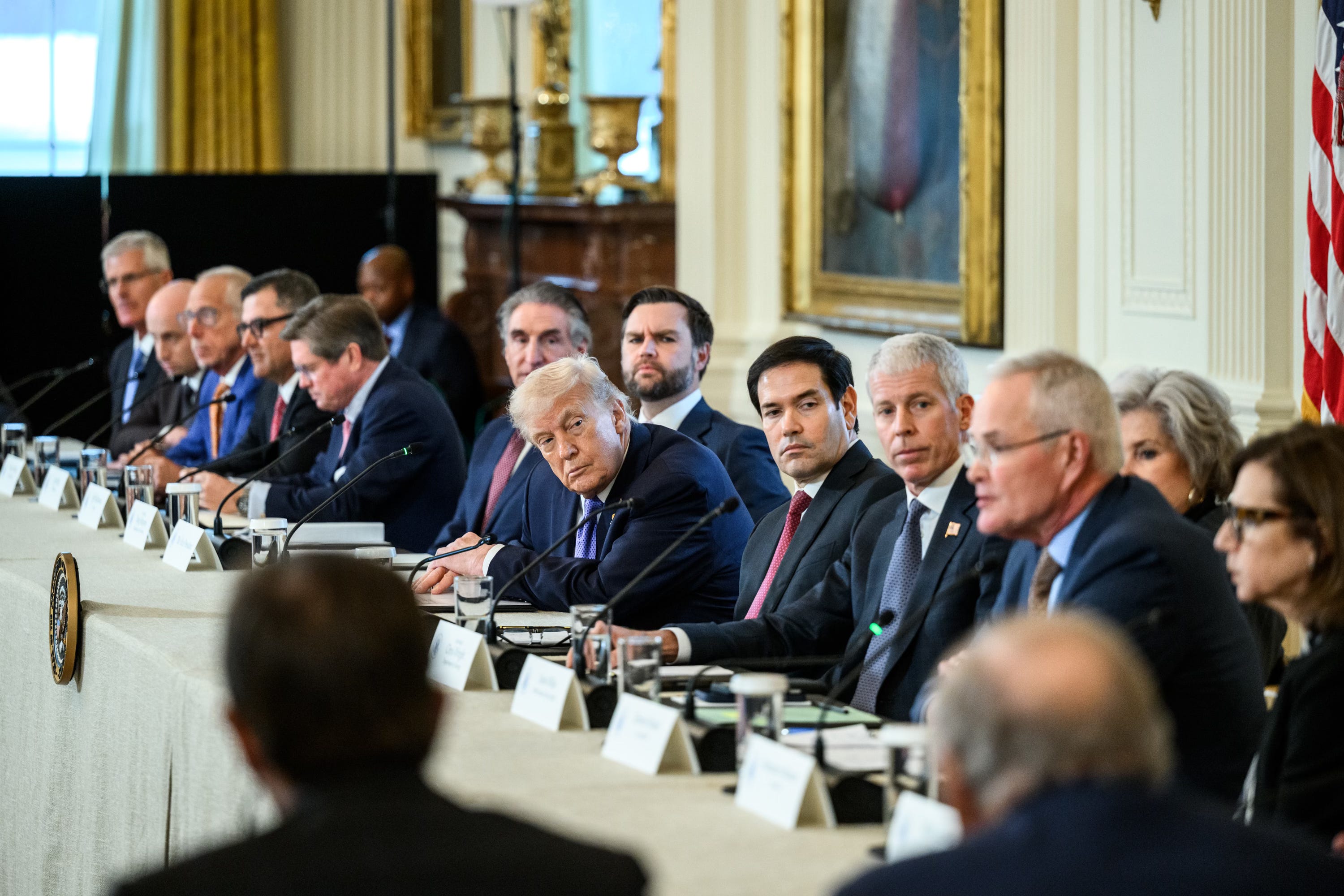
To top it all off, Darren Woods, ExxonMobil’s CEO, recently stated at the White House that Venezuela was “uninvestable”—right in Trump’s face. The statement surprised administration officials, who wanted to put up a united front with U.S. oil companies. Thus, for the boss of the biggest oil supermajor to publicly back down from the enterprise in front of the president of the United States—just a week after a fleet of Chinook helicopters stormed Caracas—was, to say the least, anticlimactic.
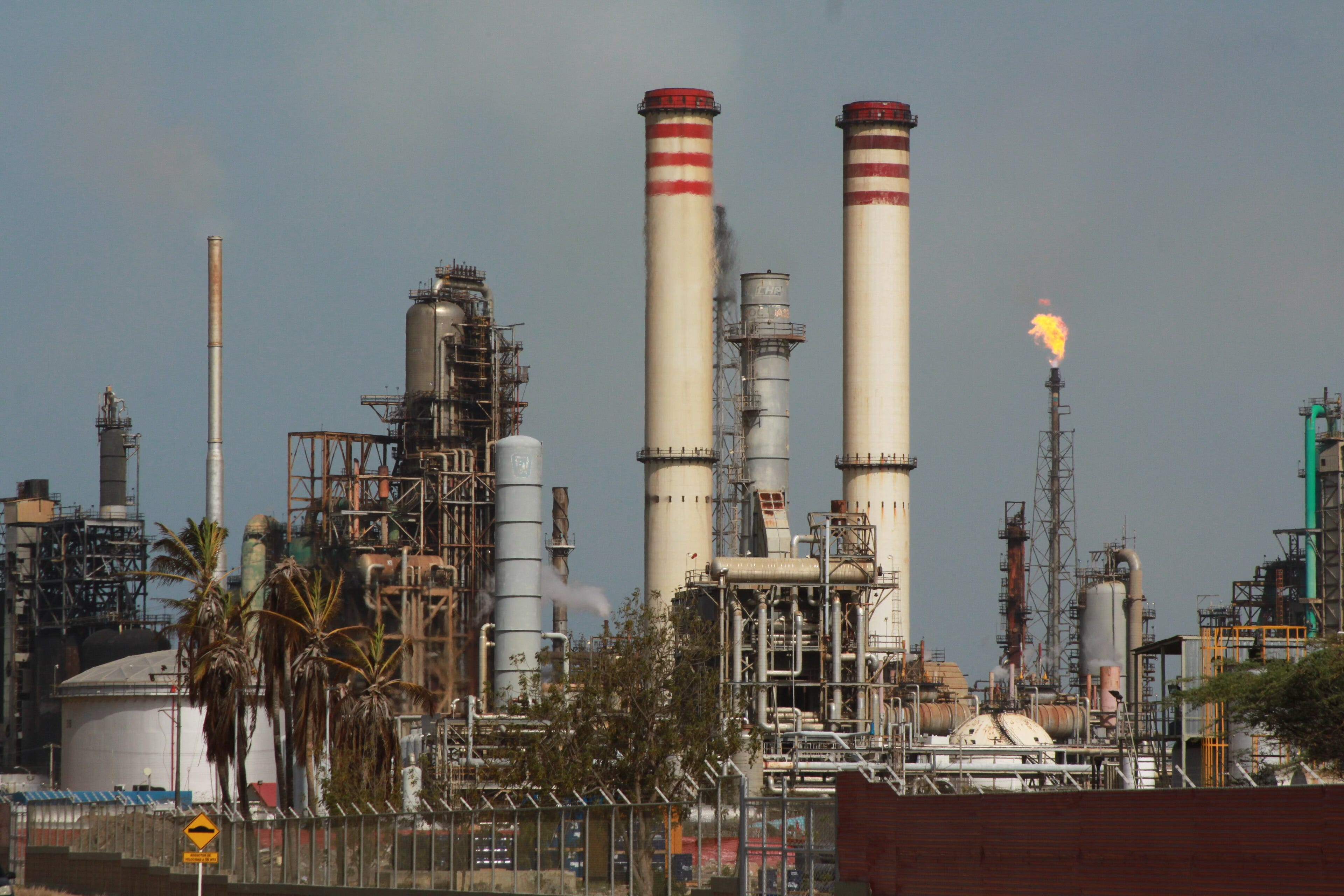
The media ecosystem swelled with Woods’ statement and immediately linked it to the apparent hopelessness of the Venezuelan crude venture and perceived risks associated with re-starting the Venezuelan oil industry.
Not all commentary is off-track. Some reporting recognize increased access to Venezuelan crude as a net benefit. Nevertheless, the internet is rife with contradictory information.
Venezuela is not “uninvestable” because of what’s inside the barrel or some pumps are rusty. Investment is not the issue; fear of forfeiting it is.
Worried about heavy grade oil?: U.S. refineries are ready.
Oil grade is largely divided into three types: light, medium, and heavy crude, according to their API Gravity, the measure to assess oil quality. The higher the grade, the lighter the crude. The lower the grade, the heavier the crude. Lighter oil is considered of higher quality and commands a bigger premium in the market, while heavier oil is of poorer quality and usually sells at a discount.
Much of the Venezuelan crude is indeed a heavy grade, of the sour kind—due to its high sulfur content. It is viscous, and transporting and processing it is certainly more energy and resource-intensive than higher quality oils. However, lower quality does not necessarily mean a bad product, nor a bad investment.
The industry uses heavy crudes to produce the diesel that feeds trucks across the globe. Likewise, it is heavy crude that carries the highest rates of bituminous components and resins, which are turned into asphalt, lubricants, waxes, petcoke and also heavy fuel oils (HFO) that cargo ships and most industrial-grade heavy machinery use worldwide.
Thus, Venezuelan heavy crude is not a synonym for bad oil—it’s just a different kind.
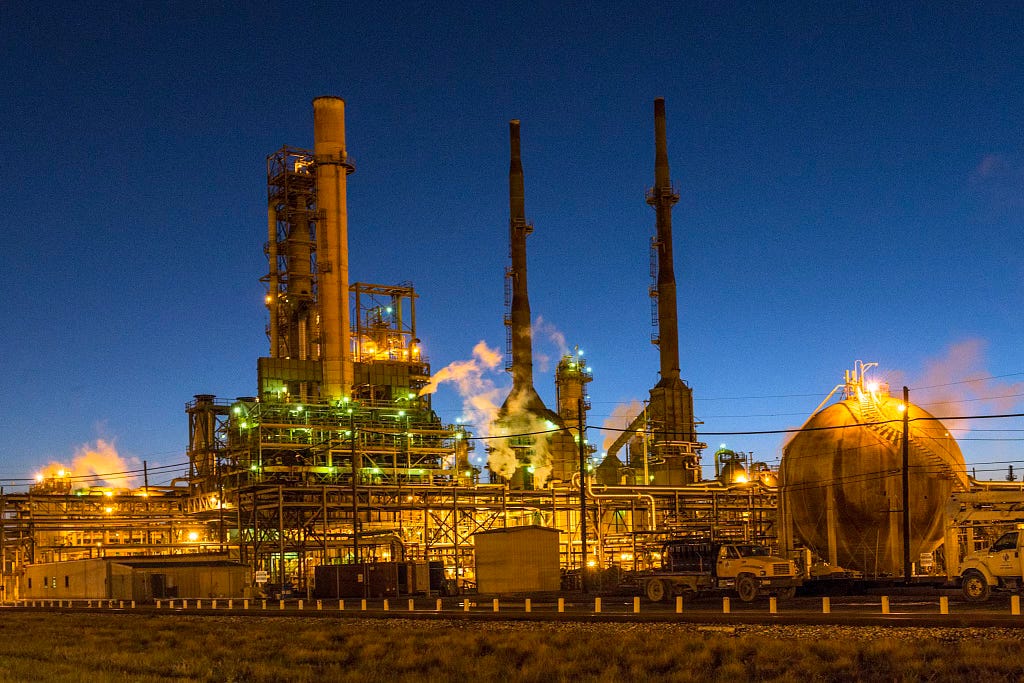
Then, there is the concern that this dark, sulfuric jelly will shoot through the pipes of U.S. refineries and eat away the infrastructure. As it turns out, U.S. refiners have invested considerably in adapting their units to process heavy crudes for decades. The large majority of the refining hubs in the United States undertook this transformation before the Shale Boom of the late 2000s, hedging that as U.S. crude levels dwindled, supply would increasingly come from heavy crudes producers like Mexico, Colombia, Ecuador, and of course Venezuela—unaware that they were on the verge of fracking vast shale reserves.
The media, then, has been quick to rule out Venezuelan oil as a bad business for which the United States has no capacity, on the superficial basis that a heavier crude sells more cheaply and is more difficult to handle.
Venezuelan oil is commercially viable thanks to oil price differentials
Despite high production costs and discounts over quality, oil companies can still operate at a profit in Venezuela. Oil does not have a unified price. Because different oils come from different locations, and extracting, transporting and processing them may vary in difficulty, oils even with the same grade may sell at different prices.
This is what is known as the oil price differential. Already cheap crude flowing out of Venezuela is likely to come to the United States at a steep discount, given the clear preferential treatment Washington secured after scrambling the government in Caracas.
Therefore, U.S. companies will pay a lower price for a barrel of Merey (the name of the Venezuelan heavy benchmark) than for a barrel of Light/Sweet Brent crude or West Texas Intermediate (WTI), the benchmarks for high-grade crude in the market. The Merey lived in the $50s per barrel through 2025, and a price increase is difficult to justify in the present conditions, unless extreme unforeseen events disrupt major-oil producing regions such as the Middle East. In fact, the price may continue to decline as more volume comes online in the future, before it stabilizes.
On the other hand, a price drop is unlikely to cripple U.S. oil producers, who by industry practice, build the discount into the frontload investment. Once production is on, operating costs per barrel are relatively low and stable for long periods. Some discussions signal that the breakeven price in Venezuela can already be set as low as $30-40/barrel if U.S. oil companies ramp up production to 1 million barrels per day—so, there’s enough margin for profit even immediately.
Washington wants barrels: more oil to erode the oil cartel
Another point that deserves more attention is that higher volumes of Merey flowing to the United States—and its finances under control of the U.S. government—will have positive ripple effects for consumers and businesses worried about high energy costs.
While the geopolitical consequences of the U.S. launch of a military operation against a sovereign territory are indeed disquieting, Maduro’s ouster is now a sunk cost, and we can only focus on future implications. As such, it is a remarkable thing that Venezuela, a founding member of the OPEC+ Group, may have to align itself with the interests of the United States, a non-OPEC+ country, moving forward.
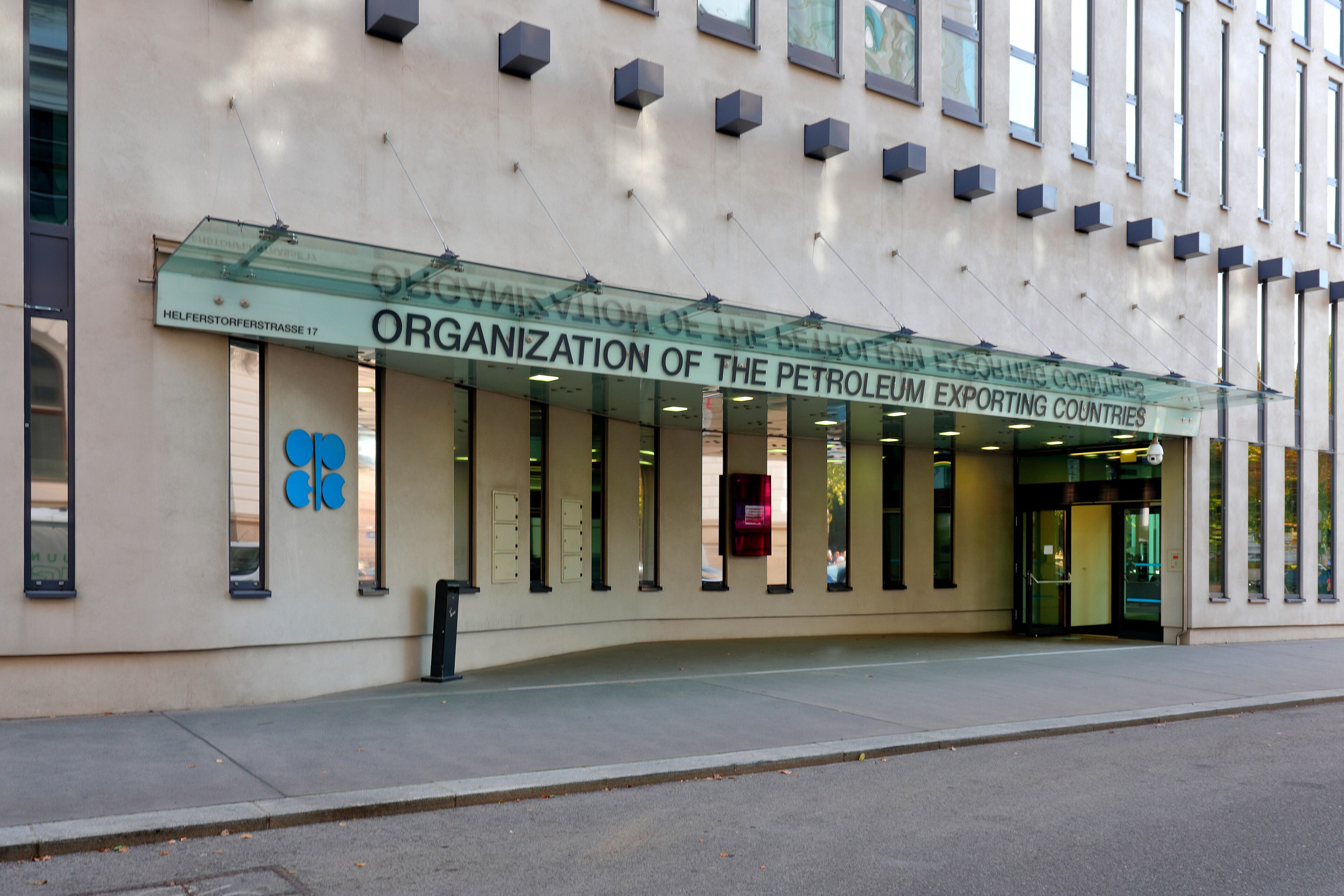
OPEC+, the oil cartel, has for decades influenced the price of oil, controlling supply to match the political goals of its members. The politics of energy may change in the future, then, as the United States becomes increasingly assertive over the volumes of crude from Venezuela, the OPEC+ member with the largest reserves. If the United States displays a surplus capacity on all fronts of the oil market, this will erode OPEC+’s capacity to collude against lower oil prices.
Thus, Maduro’s ouster may signal the birth of a new type of energy diplomacy, where the U.S. may be ready to undercut OPEC+-led artificial shortages both in material terms, by keeping production volumes up, and in political terms, by influencing the Venezuelan delegation’s vote in Vienna, where OPEC+ members convene regularly.
“Uninvestable” does not mean what people think it means
The spat between Exxon and the White House has nothing to do with the quality of Venezuela’s crude or the feasibility of recovering the country’s oil infrastructure. Instead, it has everything to do with real liability concerns on the part of U.S. oil companies, suggesting that future developments in the country may not be conducive to a safe investment climate.
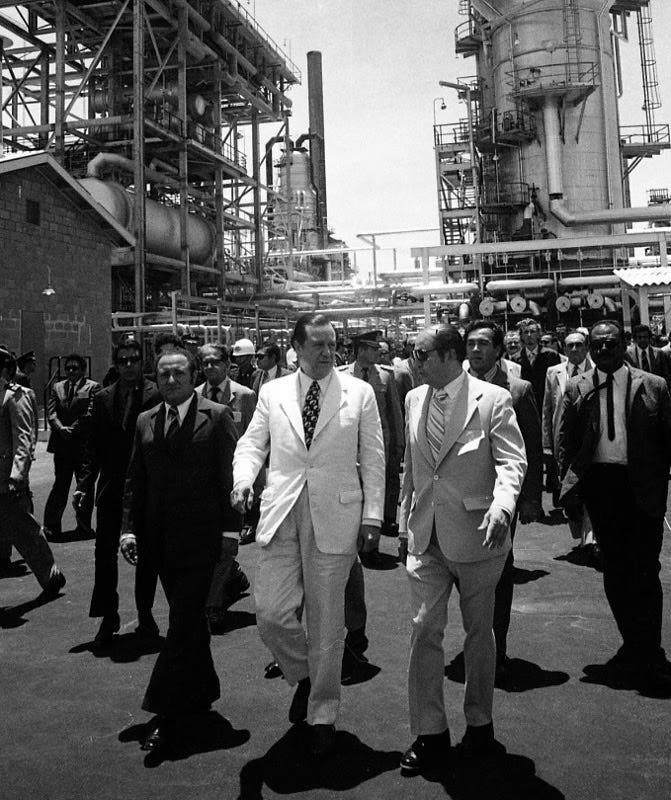
For example, in the recent White House meeting, Woods addressed the elephant in the room that Exxon was expropriated from Venezuela twice—in 1976 and 2007—their assets confiscated, the second time without compensation and a still-pending legal battle over a $1.6 billion award, for their troubles.
Understandably, oil companies are more than wary of simply trusting the word of the U.S. president and jumping in, blindfolded, into considerably large deals with such financial uncertainty and risk. What happens to their investment if the President changes his mind, or if the next administration fails to honor Trump’s promises?
However, the matter doesn’t stop there. Under current Venezuelan law, U.S. companies will be required to enter joint ventures (or “empresas mixtas”) with PDVSA—the country’s state-owned oil company, itself a well of corruption. PDVSA will control at least a simple majority stake in all ventures. Its outsized role is a source of concern for oil companies due to a plethora of compliance problems, including the Foreign Corrupt Practices Act (FCPA).
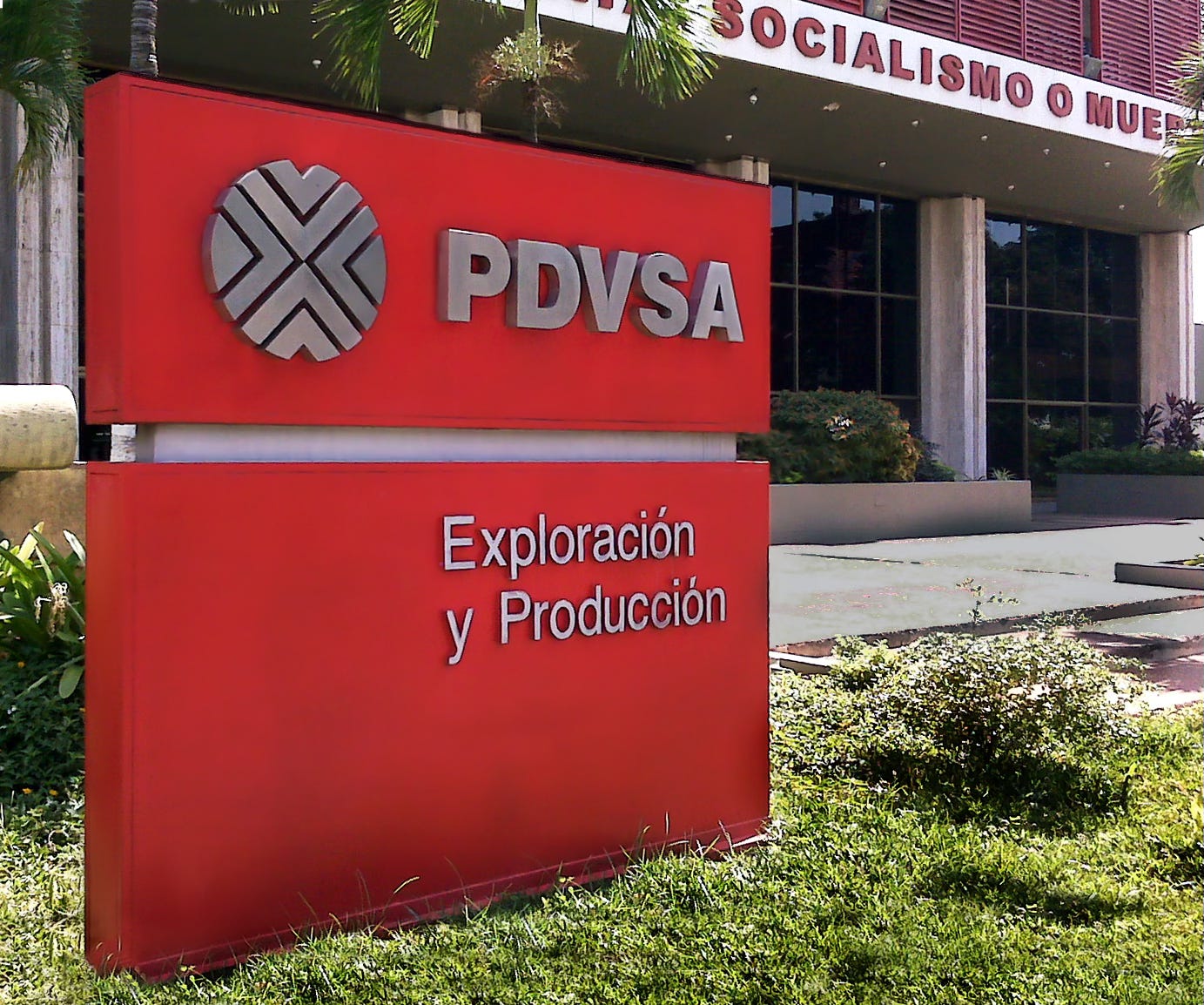
Powerful individuals with notorious records, who guarantee PDVSA’s activities, remain in place in Venezuela after the fall of Maduro, along with the entire military and security apparatus. U.S. oil companies will need stronger sign posts from the administration that moving forward, they won’t face major legal and financial consequences for PDVSA’s activities. Corporate decision-makers do not want to be on the docket of the federal court of the Southern District of New York—next to Maduro and his wife—appearing before a grand jury of their peers.
Furthermore, history does not support the idea that a U.S. oil company will be deterred from doing business abroad simply because of logistical costs or political challenges in the host country. When U.S. oil companies hesitate vis-à-vis big business, they aren’t doing so because of what’s in front of them, but because of what they leave behind them, at home: the U.S. government.
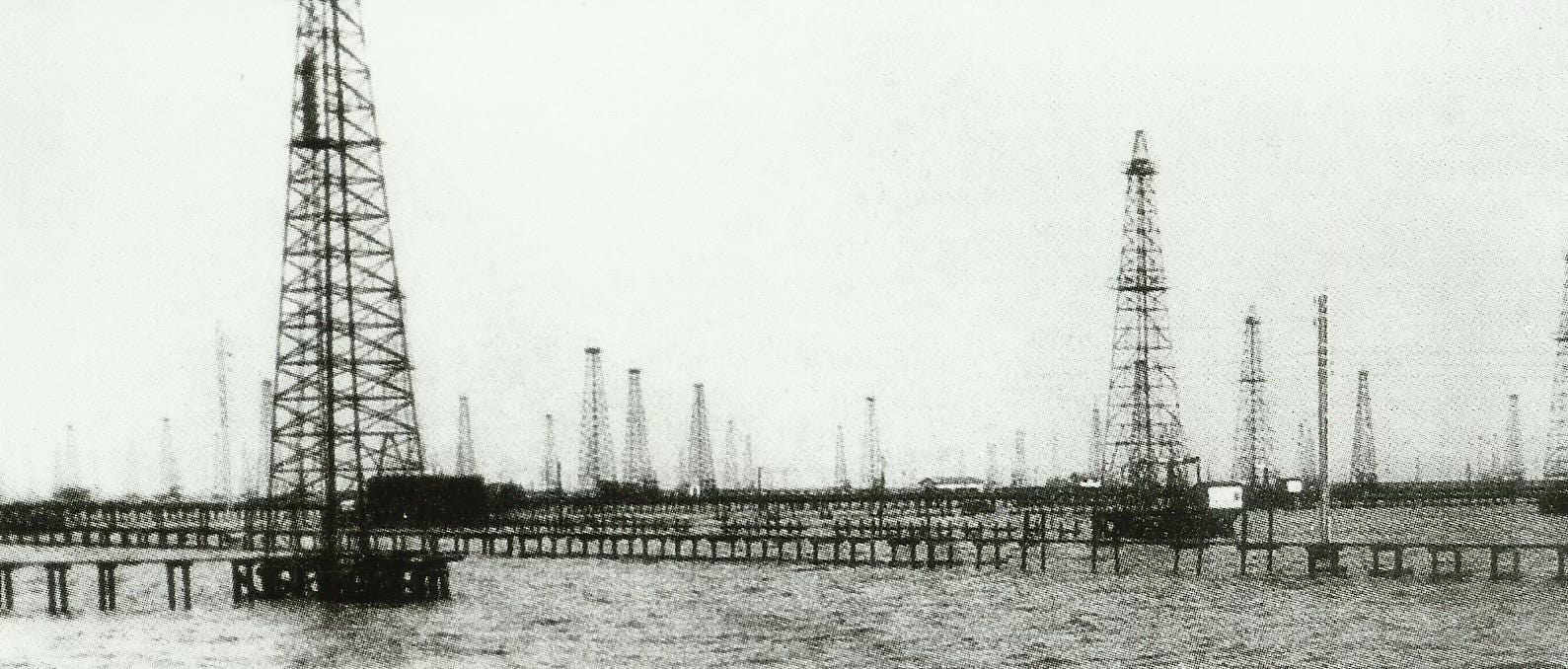
Precedent indicates that the U.S. government turns more sympathetic to the troubles of Big Oil when geopolitical pressures are at play. In 1943, Jersey Standard (today merged into Exxon) was forced into a 50-50 oil profit-sharing scheme with the Venezuelan government, who at the time was leading a nationalist onslaught over its own oil. The U.S. government acquiesced to the deal—even as this meant a lower income tax bill from Jersey Standard—given the need for reliable oil sources during World War II. The pattern repeated in 1950, when Saudi Arabia also renegotiated a 50-50 deal from the country’s concession to U.S.-founded Aramco. The Cold War was in full swing, and the United States needed cheap energy to guarantee the dominance of its military and industrial base. Now, with Venezuela on the roster, the United States is on the verge of controlling a combined 30% of global oil reserves—welcome leverage in another geostrategic race against powers like China and Russia. As in the past, an understanding with oil companies is coming.
For oil companies, “uninvestable” has less to do with technical or financial challenges of operating in Venezuela than with better positioning in the deal with the Trump administration.
Big Oil will go in. The prize is too great, and they have waited the length of the latest dictatorship for it, but they are asking for assurances that this time won’t be like the last.
What to read next:


See The Southern Trade on Google
Want The Southern Trade analysis at the top of your feed? You can tell Google to prioritize this source by clicking on the button below.

© 2026 Manuel Reyes, The Southern Trade Group™. All rights reserved. Content may not be reproduced without permission.