


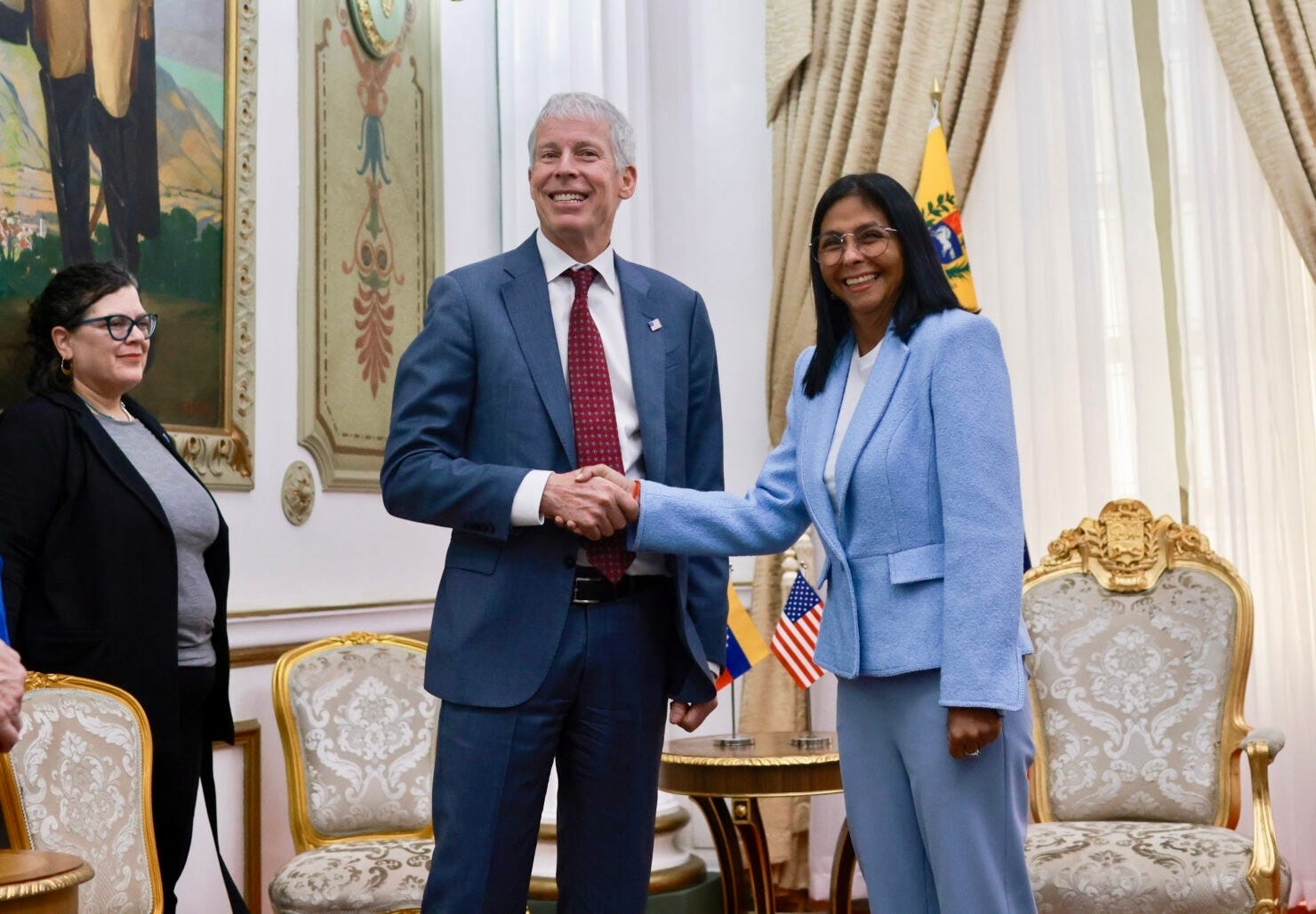
A recent U.S. sanctions designation affecting one of Venezuela’s biggest oil producers is showing once more that Washington, not Caracas, is the true regulator of the country’s oil sector. Venezuela’s petroleum industry currently runs on three main OFAC license tracks, each governing a different type of activity. However, the latest designation lands outside and above that architecture—cutting across all three tracks at once—by impacting a single minority shareholder of a large oil producer in Venezuela.
On August 18, the U.S. Treasury designated Bluwaves Properties Limited as a sanctioned entity under E.O. 13850. Treasury did not accompany the Bluwaves listing with any statement arguing its reasons. Likewise, it did not issue any license authorizing winding down transactions with the firm.[1] Bluwaves is a holding company based in the British Virgin Islands (BVI), said to own a minority stake in North American Blue Energy Partners (NABEP), which has a significant presence in major Venezuelan oil fields through joint ventures with PdVSA, Venezuela’s state-owned oil company.
Notably, Bluwaves was allegedly controlled by Harry Sargeant III, a prominent Florida energy investor and Republican donor. The designation of Bluwaves occurred just days after unconfirmed reports claimed that Bluwaves may have sold its stake in NABEP for $300 million to Alejandro Betancourt, a controversial Venezuelan businessman.[2] Neither NABEP nor its partner PDVSA publicly report their joint operations’ results. The industry relies on approximate figures and information provided by aggregators. It is presumed that NABEP produces in or about 145,000 barrels per day, making it one of the biggest active producers in Venezuela.[3]

Strictly, NABEP itself was not designated by OFAC, only Bluwaves was. However, as a second-order effect, the designation still indirectly falls on NABEP, due to the sanctions framework’s particular mechanics. OFAC’s own guidance on designated entities with less than 50 percent equity in a company spares the latter from being designated itself, by association. Yet, the same guidance adds that such spared entities may be the subject of “future designation or enforcement action by OFAC.” Furthermore, under E.O. 13850 §1(a)(iii), OFAC can block anyone providing support to persons whose property and interests are “blocked pursuant to the order.” In other words, NABEP remains exposed to discretionary designation by OFAC because (1) Bluwaves remains its minority equity holder on paper, and (2) Bluwaves is now itself a blocked person with a direct equity relationship to the oil company.
From a compliance and governance standpoint, whatever payments NABEP owes to Bluwaves in the future cannot lawfully be discharged through U.S. jurisdiction without OFAC authorization. Separately, banks, contractors, prospective partners and others will now have to preemptively weigh their own licensing exposure before coming close to doing business with NABEP.[4] Thus, the commercial cost of the sanction falls on the oil company that does not appear in August 18th’s designation.
Discretion Upon Discretion: OFAC’s Three-pronged Control Mechanism of Venezuelan Oil and NABEP’s Progressive Isolation
Three separate OFAC licensing tracks govern who can work in the Venezuelan oil sector: (1) OFAC’s GL 46 and its amendments authorize the sale of Venezuelan-origin crude, while GL 48 and its amendments authorize the provision of goods and services to the Venezuelan oil sector. For example, Vitol and Trafigura have been selling Venezuelan oil under this framework since January. This is also the track that’s enabling the recently announced reservoir-study deal with Schlumberger (SLB). Then, (2) GL 56 and GL 57 authorize transactions with Venezuelan state banks, and partially reconstruct the financial conduit for oil trade. This track was timed to the announcement of resumption of “dealings” with the IMF. Finally, (3) GL 50B authorizes E&P operations for six named entities only, BP, Chevron, Eni, Maurel & Prom, Repsol, Shell, and GL 49A authorizes negotiating contingent contracts broadly, but performance still requires separate, discretionary OFAC approval. As a company focused on E&P activities, NABEP would belong in the third track.
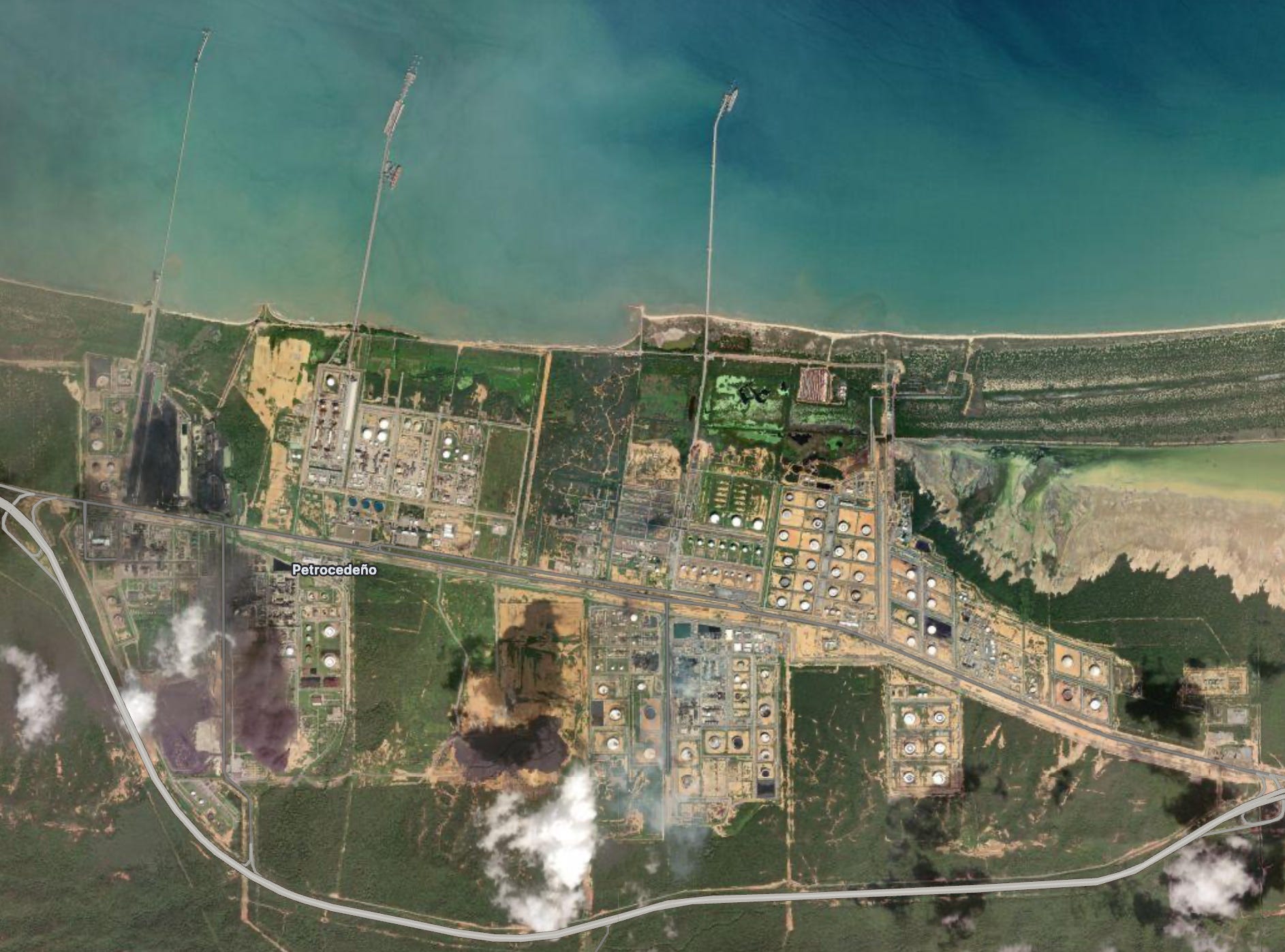
NABEP is not named in GL 50B, and it remains highly exposed to OFAC designation due to Bluwaves’ own sanction and its equity in the company. From a distance, it would seem that the U.S. government is increasingly isolating NABEP, although there is no apparent rationale for it in the public record. The media has turned to hypotheses about how Harry Sargeant’s falling from grace with Trump beckoned retribution against him. That is a plausible thought, but only as a byproduct of the situation, not as a main explanation for the instrument choice that created it.
Breaking Up State Control of Venezuela’s Second-most Prolific Oil Production Cluster
NABEP operates in Venezuela under the old legal framework for the oil sector. Thus, the underlying Venezuelan oil ventures in which NABEP participates are majority-owned by the Venezuelan government. These presumably include Petrozamora, Petrocedeño, and a field in Junín Sur not yet in production. Other than Chevron’s venture, no one else produces more oil in Venezuela.
Treasury designated the Bluwaves equity vehicle specifically, leaving NABEP producing and Sargeant himself unsanctioned. Had this been actual retribution against Sargeant, it would’ve been reasonable to expect him designated, plainly. By contrast, there’s continuous relief from U.S. sanctions almost everywhere else in the relationship between Washington and Caracas, but everything surrounding this prolific and economically important asset cluster operated by NABEP seems to keep tightening.
It would not be unreasonable to think that the U.S. government prefers for these profitable assets to be transferred away from direct control of the Venezuelan government. That is, whoever controls Petrozamora and Petrocedeño under or after Delcy Rodríguez controls a building block for raising state revenue regardless of who governs Venezuela next.
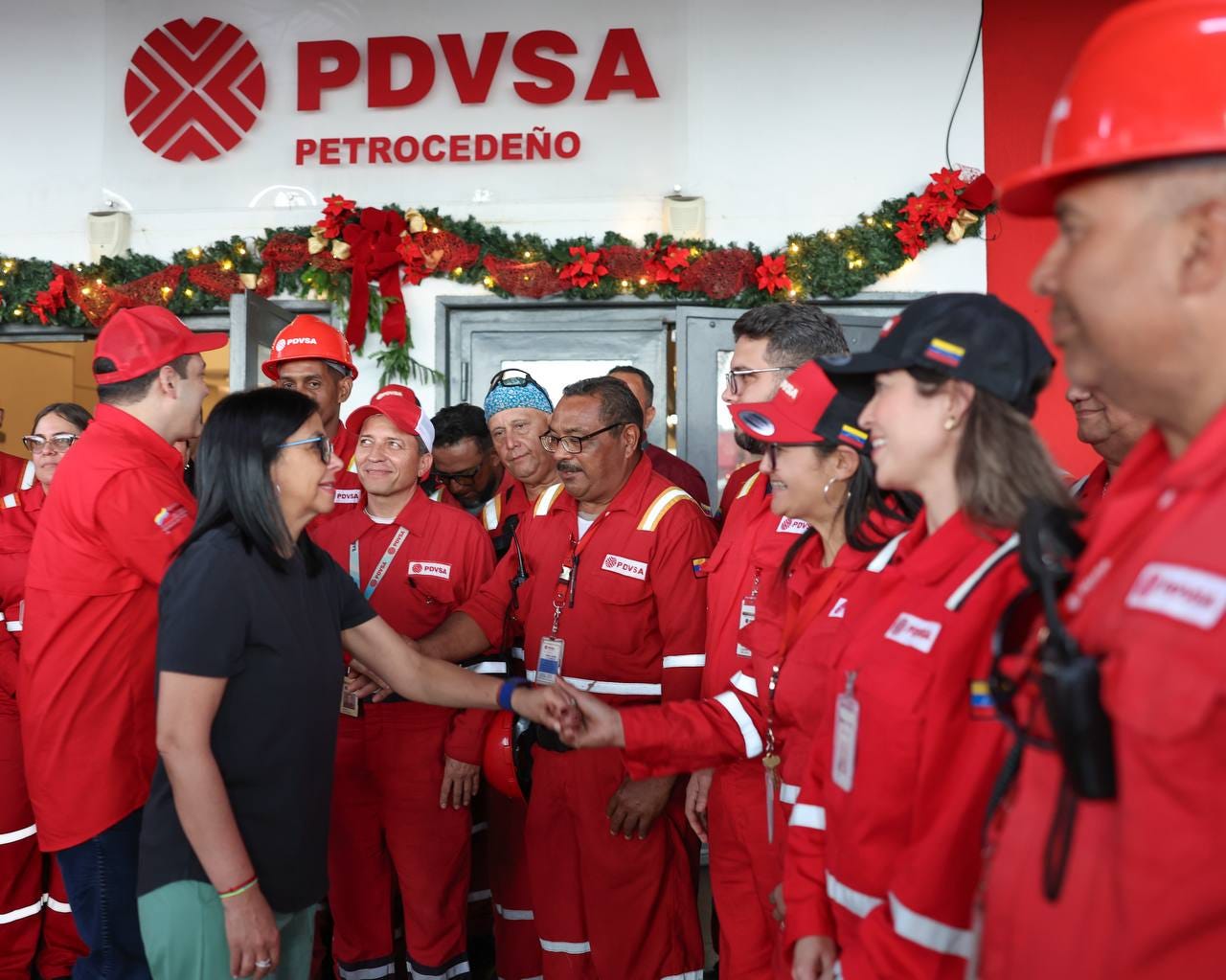
Put differently, blocking NABEP (or the threat of doing so) could leave the Venezuelan government’s second-most prolific oil production cluster increasingly unusable, forcing a restructuring or transfer of the operating interests.
For Washington, a one-time transfer of these assets away from PDVSA—rather than maintaining U.S. leverage through sanctions indefinitely—may seem like a much more sensible policy, at least in theory. If so, then the U.S. government’s move wouldn’t have anything to do with punishing one Florida oil businessman, and everything to do with transitioning to a more sustainable way of exerting influence over Venezuela in the long run.
[1] The license that OFAC did issue within the same package sanctioning Bluwaves covers only two International Criminal Court officials, designated under a separate regulation, rather than through Venezuela’s sanctions regulations. Thus, the designations share a release date and little else, and multiple reports by aggregators conflate the two designations without establishing that any real connection exists.
[2] However plausible the ownership attributions to Sargeant and Betancourt may be, it should be noted that Bluwaves’ connection to Sargeant does not appear in publicly accessible corporate registries, OFAC documents, or court records, let alone the deal with Betancourt. Because the British Virgin Islands strictly shields beneficial ownership, its corporate registry is an impenetrable black box for anyone seeking a verifiable paper trail. The assertions rest on Bloomberg’s original reporting, sourced to unnamed people “familiar with the matter”, and since repeated across dozens of outlets that cite Bloomberg or each other.
[3] NABEP is presumed to be present in Petrozamora in Lake Maracaibo’s Bloque III, Lagunillas Tierra, Bachaquero Tierra, and Ceuta VIII oil fields, producing around 104,000 barrels a day; in Petrocedeño in the Orinoco Belt, producing around 41,000 barrels a day; and in Junín Sur, through an awarded but not yet producing position. Please note that those figures are trade-press and aggregators estimates, not filings.
[4] Specifically, U.S. persons are “advised” by OFAC to “act with caution” when “considering a transaction” with a non-blocked entity in which one or more blocked persons has a significant ownership interest that is less than 50 percent.
What to read next:


See The Southern Trade on Google
Want The Southern Trade analysis at the top of your feed? You can tell Google to prioritize this source by clicking on the button below.


© 2026 Manuel Reyes, The Southern Trade Group™. All rights reserved. Content may not be reproduced without permission.
Legal and Investment Disclaimer
This article is provided for informational and educational purposes only. Although it discusses legal frameworks, regulatory structures, and investment-related considerations, it does not constitute legal advice, tax advice, financial advice, or investment advice of any kind.
Nothing in this article is intended to create, and receipt of it does not constitute, an attorney-client relationship, advisory relationship, or any other form of professional engagement between the author and the reader. The content reflects a general overview and may not address specific facts, circumstances, or applicable laws relevant to any particular situation.
Readers should not act or refrain from acting based on any information contained herein without seeking independent advice from qualified legal, tax, and financial professionals licensed in the relevant jurisdictions.
This document does not constitute an offer to sell, a solicitation of an offer to buy, or a recommendation to purchase, sell, or otherwise trade any securities, financial instruments, or assets. Any references to investment structures, jurisdictions, or regulatory regimes are illustrative only and should not be interpreted as endorsements or recommendations.
The author makes no representations or warranties, express or implied, regarding the accuracy, completeness, or timeliness of the information contained herein. Laws, regulations, and policies may change, and their application can vary widely based on specific circumstances.
To the fullest extent permitted by law, the author disclaim any liability for any loss or damage arising directly or indirectly from reliance on this document or its contents.