

Venezuela’s Latest Oil Reform: Decree 5381 Offers Some Contractual Clarity, But OFAC Sanctions Remain Decisive
The July 2026 regulatory update redefines upstream compliance risk for international oil companies entering Venezuela’s energy sector | BRIEFING NOTE


On July 7, the Venezuelan government signed Decree N° 5.381. The new regulation implements the reformed Hydrocarbons Law governing its petroleum industry, replacing the previous framework in force since 1943. The decree establishes the “technical, operating, fiscal, and control rules” guaranteeing the government’s “full sovereignty” over the deposits and its “capture of the resource rent.”
A half year after Maduro’s removal, Washington’s military, financial, and legal high-pressure strategy has resulted in Venezuela reforming its petroleum industry, establishing a new legal structure for private participation, adopting a more favorable fiscal regime, and nominally accepting alternative dispute resolution mechanisms alongside national courts. To date, crude production has rebounded past one million barrels a day, suggesting that, even within tight OFAC boundaries, the risk premium for doing business in Venezuela is shrinking with every passing month.
The Partial Gain: Legal Separation from Venezuela’s State-Owned Companies
Decree 5.381 defines an “operating company” at Article 2, numeral 18, by reference to the three categories the reformed Hydrocarbons Law set out in January at its Article 23: (1) a wholly state-owned entity (SOE), (2) a joint venture in which the government holds an equity share above 50 percent giving it controlling interest, or (3) a private company domiciled in Venezuela operating under contract with a Venezuelan SOE or its subsidiaries.
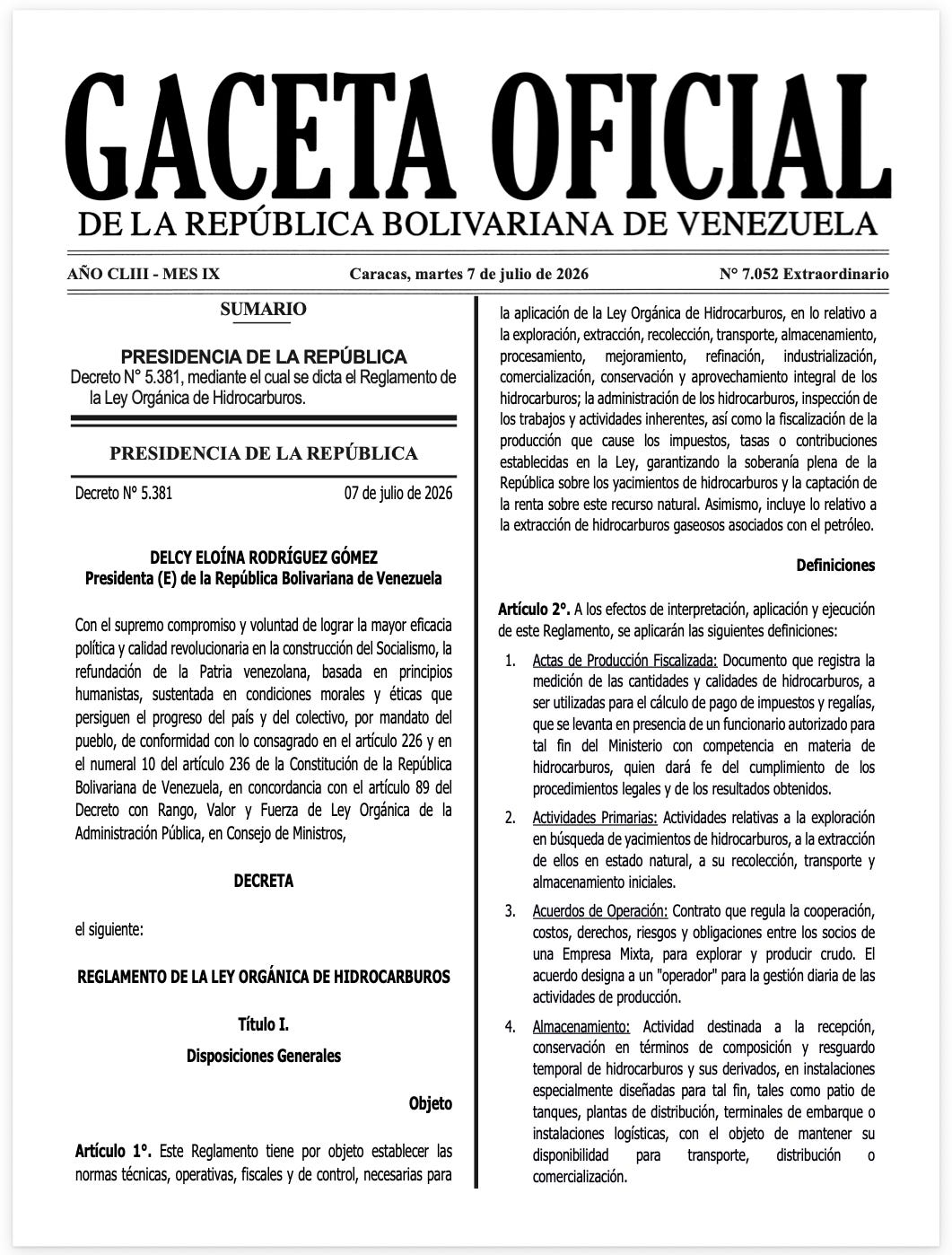
The third category creates a regulatory route for private capital to participate directly in E&P (or “primary activities”) without requiring the investor itself to be an SOE or a majority state-owned joint venture. Article 2, numeral 31 defines the “business model” for private participation as a private company (“sociedad directa”) or “contract”. That is, a Venezuelan-domiciled private company can undertake E&P activities under a contract with a wholly state-owned company or its subsidiary, subject to demonstrating financial and technical capacity and obtaining approval of its business plan, per Article 14.
For international oil companies (IOCs), this confirms and provides a defined legal entry point into Venezuela’s upstream sector through a locally domiciled company, with clearer rules governing capital commitments, project responsibilities, and allocation of rights. Additionally, it partially addresses a key investor question left unresolved since the “uninvestable” comment from Exxon’s CEO Darren Woods back in January: how can private capital participate in Venezuelan oil assets without being forced into a joint venture with the Venezuelan government itself?
From a compliance and governance standpoint, the new contractual model under the third category creates some legal distance between IOCs and PDVSA, Venezuela’s SOE oil company. This is so because the new model removes shared equity as a precondition to do business: an IOC under the third category may own its Venezuelan-domiciled company outright, with no shares attributable to the government. Put differently, private companies under the third category may now contract with Venezuelan SOEs or their subsidiaries without entering equity joint ventures, though performance under those contracts will still require OFAC authorization, separate from the equity question. This is vital vis-à-vis OFAC’s aggregate 50 percent ownership rule for companies that do not qualify for relief from U.S. sanctions under GL 52A.
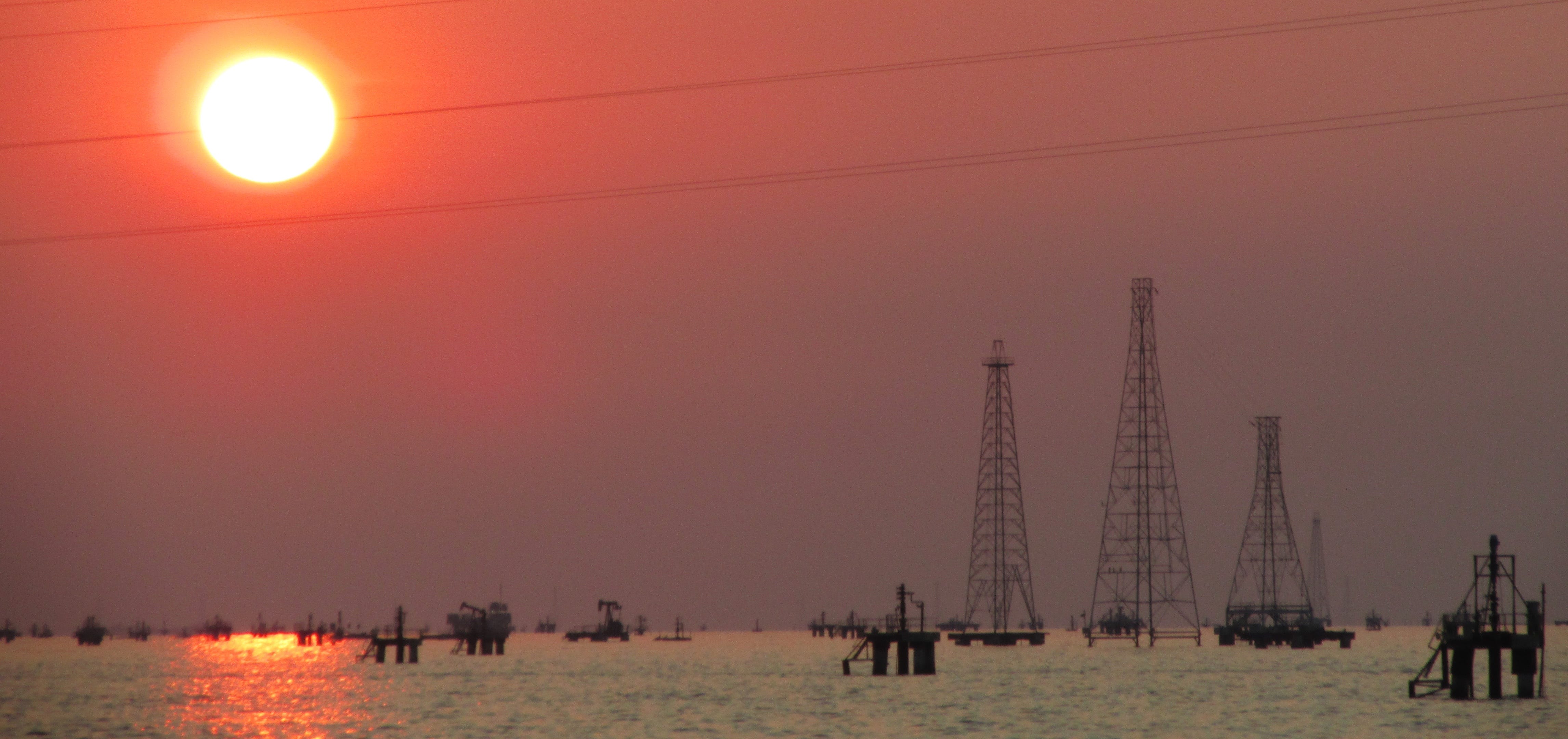
The effect of this new contractual relationship may narrow counterparty exposure and give boards a more defensible legal framework to underwrite. The new legal distinction creates a much desired opening—albeit insufficient on its own without OFAC’s blessing—for IOCs to re-enter Venezuela with a higher degree of arm’s length separation from PDVSA’s corruption problems.
Royalty-and-Tax Rates
In terms of revenue distribution, Article 43 sets a combined royalty-and-tax rate by project type: 20 percent for greenfield projects, 25 for extra-heavy crude projects, 30 for brownfields not in production, and 35 for already-producing brownfields, with separate reductions of up to five points for offshore projects and up to five points for projects that build or expand refining or upgrading plants. Article 45 assigns greenfield projects a 34 percent income tax rate and allows accelerated depreciation over as much as seven years.
Investment Stability, Dispute Resolution Mechanisms, and OFAC
Two new provisions address directly Venezuela’s “uninvestable” label, reinforcing that the core tensions lie in post-CAPEX contractual and regulatory risks, not on technical impossibilities or crude quality. Article 5 requires that administrative action “must endeavor” to maintain a project’s “economic and financial balance”, correcting “negative and substantial” alterations of contractual rights when they occur. Article 46 lets a company formally request a reduction in its royalty or tax rate if a later legal, fiscal, regulatory, or contractual change harms the finances of its E&P project. At least on paper, these provisions give companies a financial and legal basis to defend their position should disputes arise, and create an incentive for moderation on the government side.
Furthermore, Article 107 admits mediation, conciliation, negotiation, and arbitration as dispute resolution mechanisms alongside national courts. However, a closer look reveals that these mechanisms bypassing national courts are subject to guidelines set jointly by the Ministry of Hydrocarbons (or “competent agency”) and the Venezuelan Solicitor General’s Office. The Solicitor General represents Venezuela’s own legal interests. Thus, oil companies may still be subject to discretionary decisions by the Venezuelan government during disputes. Such residual discretion will remain a core friction point and an important assurance gap in the new framework. Hence, for IOCs, the decisive measure of certainty in Venezuela will continue to be Washington’s grip over the country’s petroleum sector finances and activities through the OFAC framework.

Ultimately, the new Venezuelan regulation cannot reach Washington’s licensing of transactions involving U.S.-designated entities. The existing licenses authorize trading and settling payments on Venezuelan crude under specific conditions. Additionally, General License 49A authorizes negotiating and entering into contingent investment contracts for oil and gas operations, but only where the performance of “any such contract” is made expressly “contingent upon separate authorization” from OFAC. That is, actual performance of any upstream investment still requires a specific license, which OFAC may grant at its discretion.
A Brief Political Analysis: Why Washington Will Remain in Charge
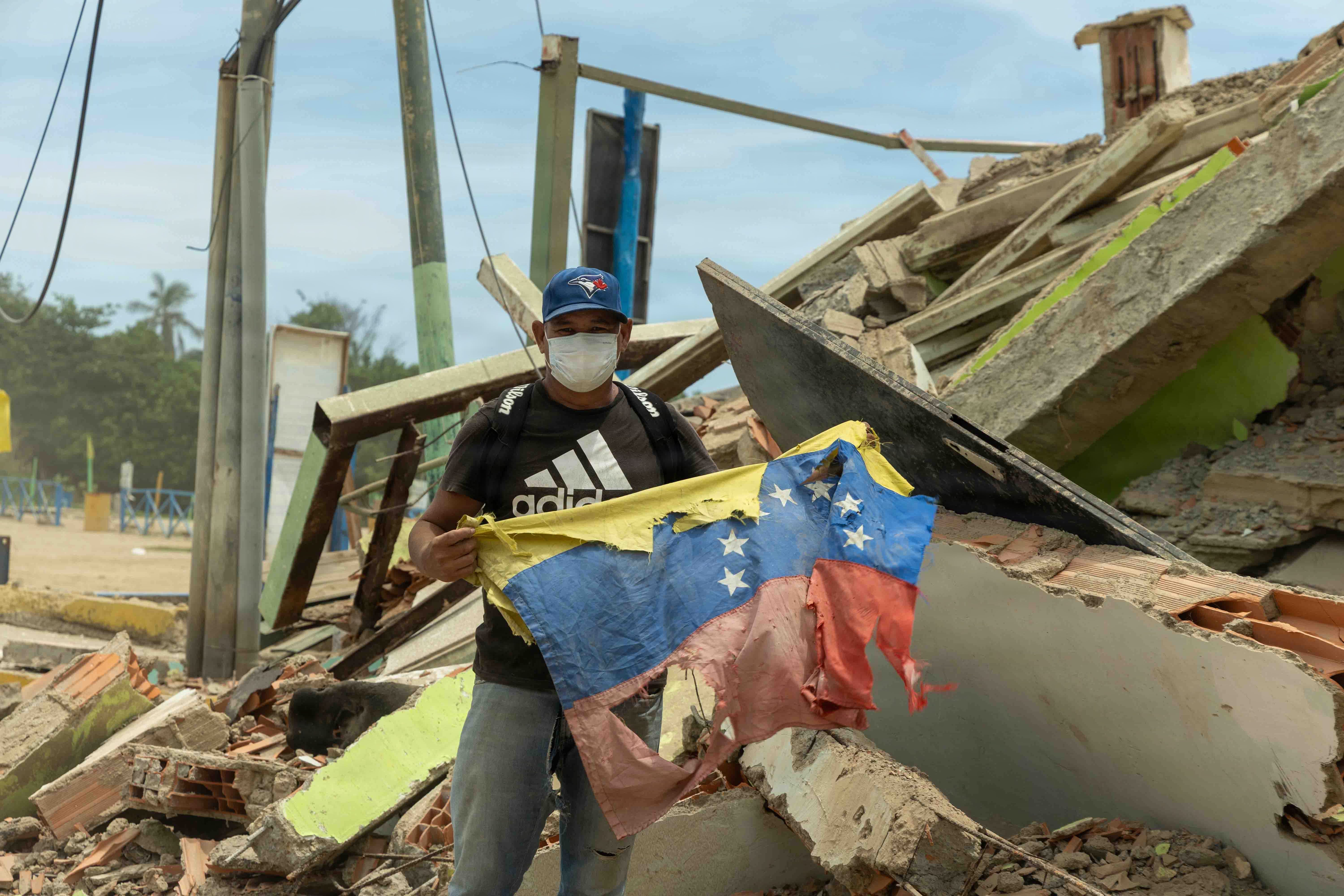
The coverage of Venezuela’s Decree No. 5,381 was neither particularly detailed nor widespread. The development was largely overlooked in favor of bigger stories, including major earthquakes that struck Venezuela in late June. Disaster response was still the dominant story out of the country once the new regulation was signed two weeks later. When the decree was indeed covered, notes tended to focus on broad political shifts rather than the actual legal text and its significance for Venezuela’s oil sector.
A few months ago, there was widespread skepticism as to whether Venezuela’s petroleum industry could ever launch again. Criticism abounded, from the hardships of extracting Venezuelan heavy crudes, to the apparent impossibility to refine them in the U.S., to the large CAPEX needed to recover Venezuela’s infrastructure, and to the laws of the country itself. None of it ever mattered, because the true problem was never Venezuela’s crude or its laws. It was whether the U.S. government would provide the assurances IOCs needed to invest in the country.
Delcy Rodríguez governs Venezuela today because a fleet of helicopters removed her predecessor in January, and the oil revenue she nominally presides over is held outside of the country, in the Foreign Government Deposit Funds established under E.O. 14373. The executive order goes beyond custody: Section 4(c) has the U.S. Secretary of State, not Rodríguez, determine the “public, governmental, or diplomatic purposes” the funds may be spent on, and Section 5 directs Treasury to follow the Secretary’s instructions and permit no other use. The U.S. government is the ultimate arbiter and custodian of Venezuela’s oil riches. Here is the true leverage that might contain future excesses by the current Venezuelan government against U.S.-aligned entities participating in the country’s oil sector.
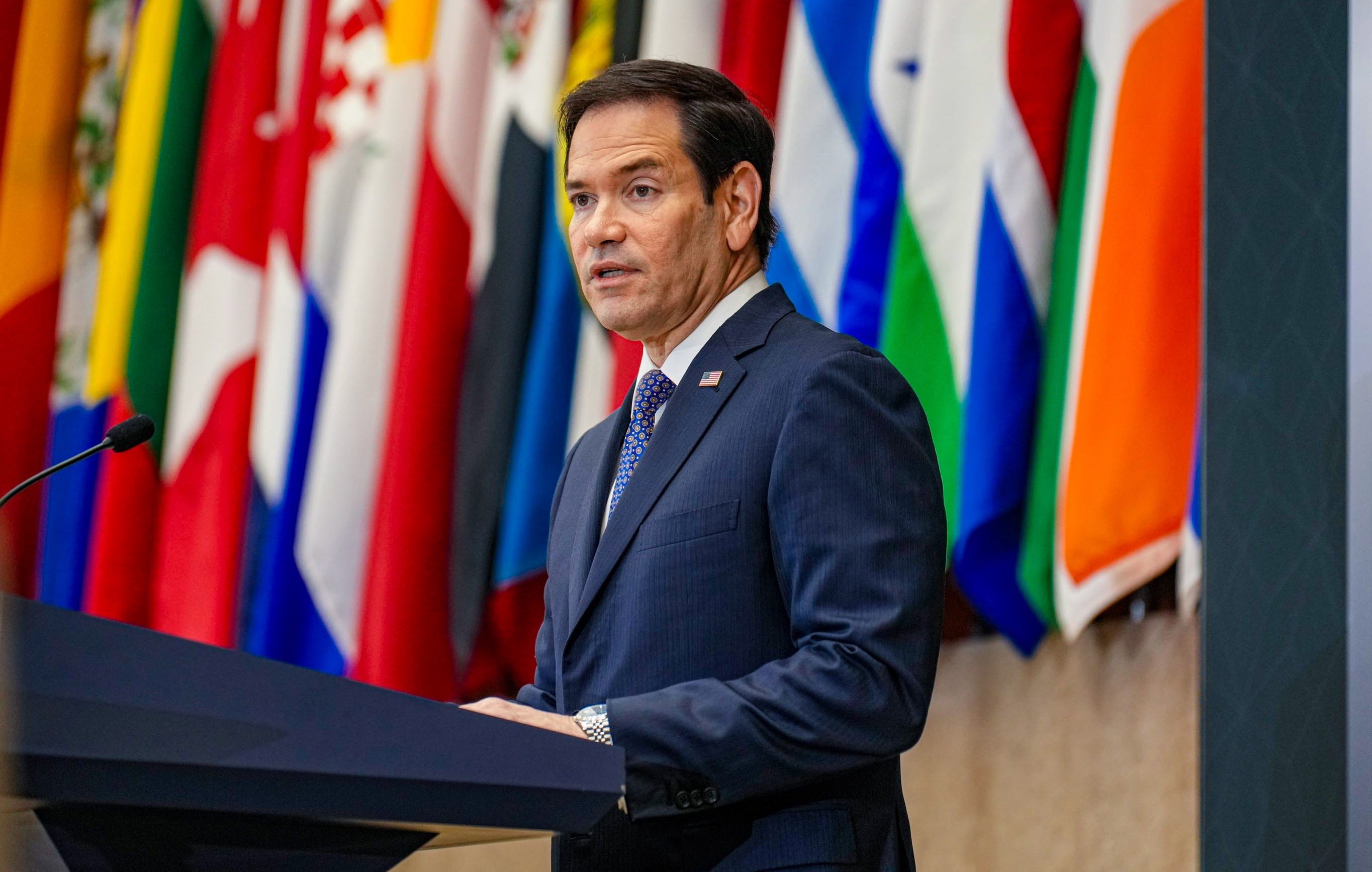
Since January, Rodríguez’s government has no independent income from and no independent mandate for its own oil sector. Caracas cannot dispose of its own oil money without asking Marco Rubio for it first. Thus, even where Rodríguez presents as independent from Washington, her government has few divergent interests from those of its patron to the north. When it comes to oil, Venezuela’s posture is, effectively, whatever posture keeps Washington satisfied.
Status: Venezuela’s Oil Sector Liberalization — Level 2: Constrained execution.[1]
Status: U.S. Sanctions Enforcement and Control Mechanisms — Level 3: Execution Phase.
[1] This brief applies the ST Monitor proprietary classification to interpret specific developments based on their phase of execution, and the above content should be read through that lens. Some plans remain at the level of (1) political signaling without an operational framework; others are (2) constrained within permission-based systems; and others are (3) fully operational and institutionalized:
Level 1 — Pre-policy (no executable framework exists)
Level 2 — Constrained execution (activity exists but is permission-bound)
Level 3 — Execution Phase (system is operational and institutionalized)
What to read next:


.jpg?uselang=en#Licensing)
.jpg?uselang=en#Licensing)
See The Southern Trade on Google
Want The Southern Trade analysis at the top of your feed? You can tell Google to prioritize this source by clicking on the button below.

© 2026 Manuel Reyes, The Southern Trade Group™. All rights reserved. Content may not be reproduced without permission.
Legal and Investment Disclaimer
This brief is provided for informational and educational purposes only. Although it discusses legal frameworks, regulatory structures, and investment-related considerations, it does not constitute legal advice, tax advice, financial advice, or investment advice of any kind.
Nothing in this article is intended to create, and receipt of it does not constitute, an attorney-client relationship, advisory relationship, or any other form of professional engagement between the author and the reader. The content reflects a general overview and may not address specific facts, circumstances, or applicable laws relevant to any particular situation.
Readers should not act or refrain from acting based on any information contained herein without seeking independent advice from qualified legal, tax, and financial professionals licensed in the relevant jurisdictions.
This document does not constitute an offer to sell, a solicitation of an offer to buy, or a recommendation to purchase, sell, or otherwise trade any securities, financial instruments, or assets. Any references to investment structures, jurisdictions, or regulatory regimes are illustrative only and should not be interpreted as endorsements or recommendations.
The author makes no representations or warranties, express or implied, regarding the accuracy, completeness, or timeliness of the information contained herein. Laws, regulations, and policies may change, and their application can vary widely based on specific circumstances.
To the fullest extent permitted by law, the author disclaim any liability for any loss or damage arising directly or indirectly from reliance on this document or its contents.
I think Washington will be calling the shots for quite a while here