

Sherritt's Cuba Woes Mount, as U.S. Company Sues State-Owned Energas S.A. under Helms-Burton Act
A certified Title III claim against Cuba's electricity monopoly tests recent Exxon precedent and lands a second, independent blow on Sherritt's Cuba portfolio | BRIEFING NOTE

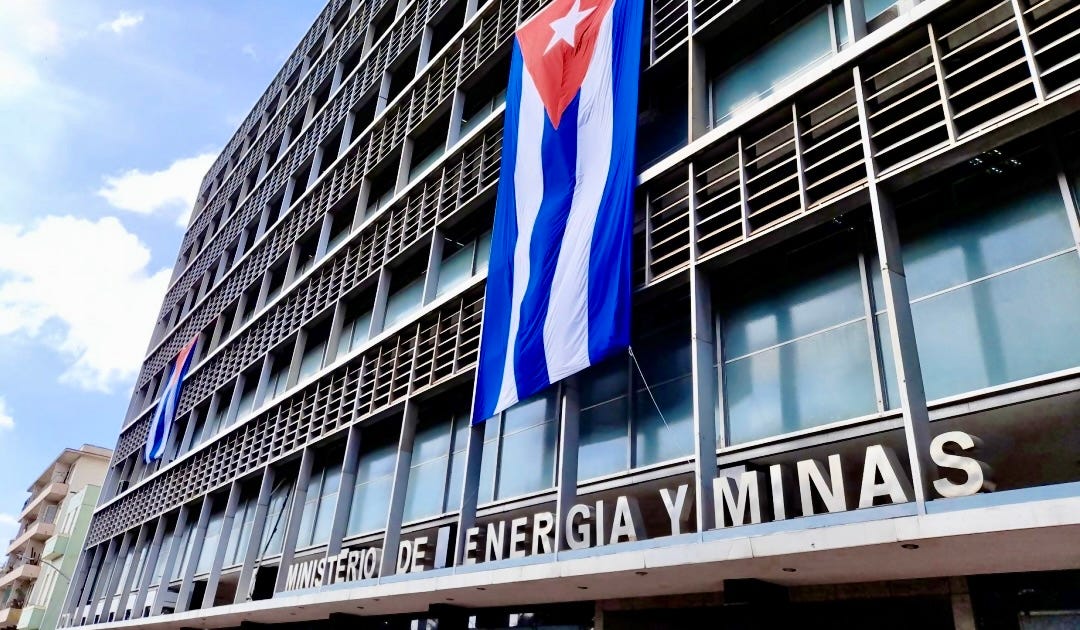
A lawsuit in U.S. courts is affecting the interests of Canadian miner Sherritt International in Cuba once more. Just weeks after Sherritt’s nickel-cobalt operation in the island collapsed due to U.S. sanctions, the company is set to be a casualty again in the legal, financial, and diplomatic crossfire between Washington and Havana.
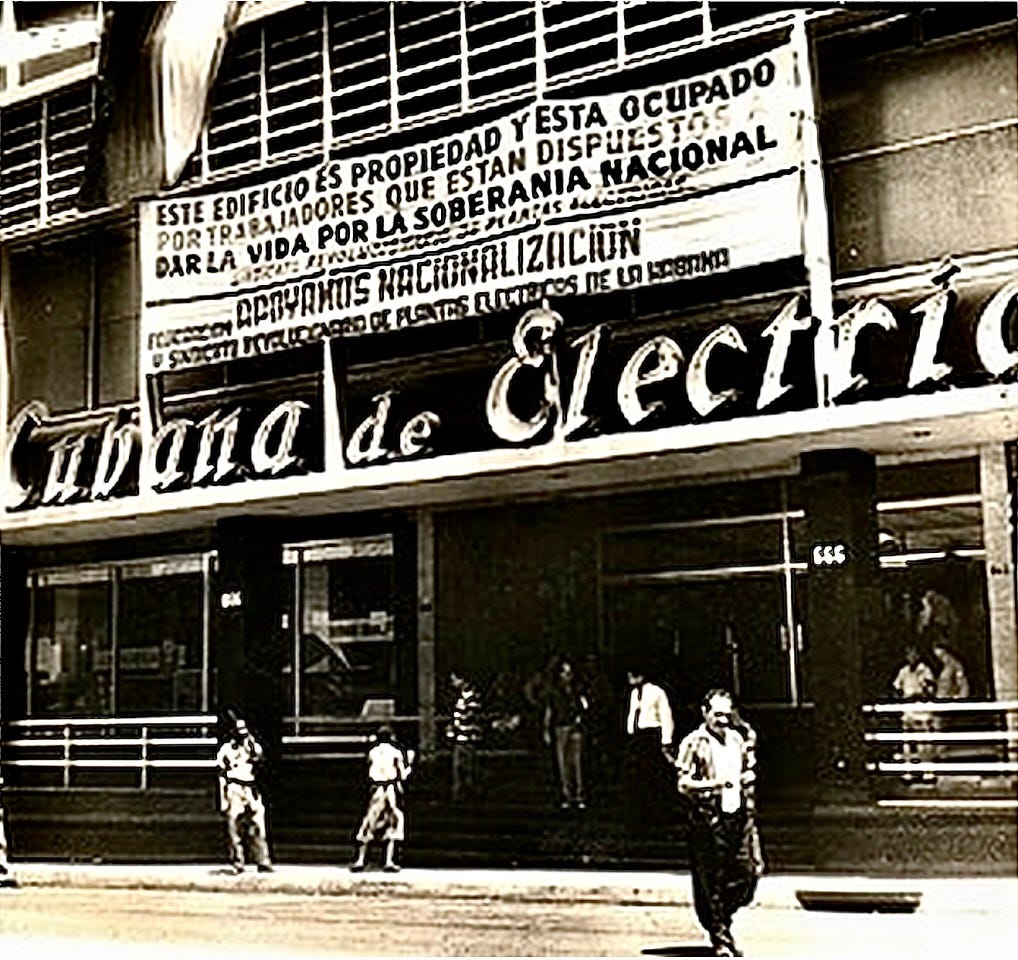
On July 29, Florida-based Cuban Electric Company (CEC) filed a Title III suit under the Helms-Burton Act against Unión Eléctrica (UNE) and Energas S.A., two Cuban state-owned companies (SOE). UNE is Cuba’s electric utility SOE, and the main beneficiary of CEC’s confiscated property in Cuba. CEC owned and operated a “substantial portion” of Cuba’s electric power generation and transmission infrastructure, and supplied “more than 90%” of Cuba’s electricity. Energas also engages in power generation, as well as gas-processing operations. CEC argues that Energas’ activities “depend upon” and are “physically integrated” with facilities, transmission infrastructure, and gas-distribution assets “confiscated from CEC.” For its part, CEC holds a certified claim of $267,568,413.62, running at 6 percent annual interest rate since August 6, 1960. The Florida company is seeking treble damages under Helms-Burton.
Sherritt owns a one-third stake in Energas, a three-party joint venture (JV) with the Cuban government, alongside UNE and Unión Cubapetróleo (CUPET), Cuba’s SOE oil company. Specifically, CEC is not suing Sherritt directly, it is suing Energas itself, arguing the entity as a whole is a Cuban “alter ego” because the Cuban government has controlling equity over the joint venture.
For Sherritt, this new suit creates a distinct problem, separate from the situation that led the company to hand a warrant to U.S.-based Gillon Capital for 55 percent of Moa Nickel S.A. (MNSA), its nickel-cobalt JV share in Cuba, at a distressed price. MNSA collapsed through an OFAC designation that triggered a distressed sale to a U.S.-aligned buyer. However, Sherritt is not facing a sanctions designation this time.
Now, Sherritt is ensnared in a private lawsuit, arriving through judicial means afforded by Title III rather than through the U.S. Treasury, weeks after the MNSA collapse events. CEC is basing its case on the recently decided Exxon precedent, where it was settled that Cuban “agencies and instrumentalities” cannot claim FSIA immunity in Title III suits and that such suits proceed under the federal question statute.[1] In other words, because Energas can no longer claim foreign sovereign immunity after the Exxon decision, CEC may proceed with its claim and potentially obtain a massive judgment in its favor. In turn, this would add yet another liability to Sherritt’s balance sheet and create disclosure pressures that will affect the company’s governance.
Nevertheless, Energas’ problems did not start with this lawsuit. It should be noted that Energas already carried sanctions exposure before the complaint: OFAC’s FAQ 1258 put any entity 50 percent or more Cuban-owned under sanctions risk, listed or not. Following this, UNE and CUPET’s combined two-thirds ownership of Energas clears that bar easily. Thus, Energas is now exposed on two separate fronts at once, the Title III origin track and the sanctions track. Neither track is dependent on the other and both are fatal for investments in Cuba on their own.
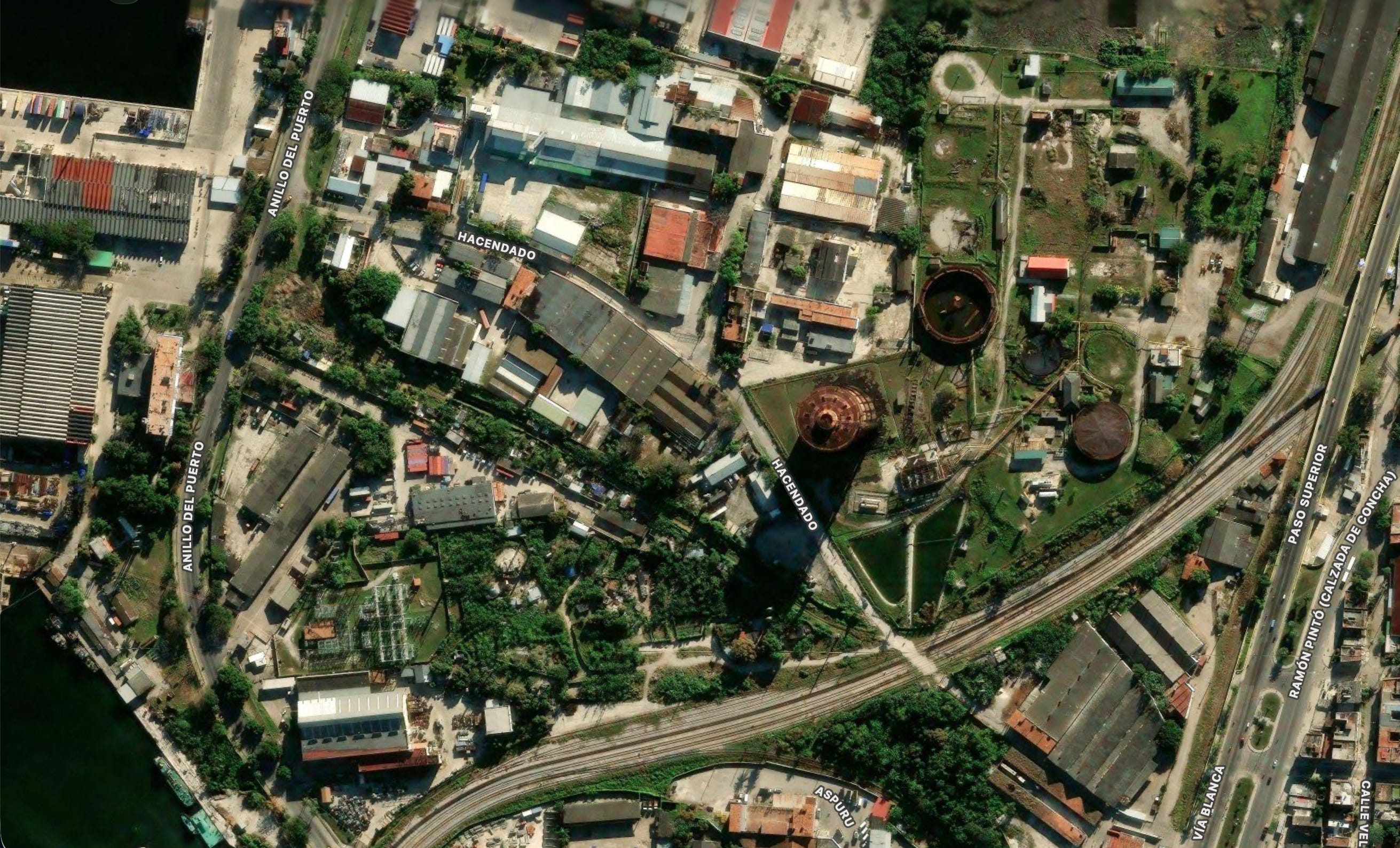
CEC’s lawsuit compounds the existing OFAC sanctions exposure and attaches a specific cost to doing business in Cuba. Now, the viability of participating in the island’s wider power generation sector may become even more difficult for private investors, if not virtually impossible. Specifically, CEC’s confiscated assets include the former O’Bourke and Renté stations in Cienfuegos and Santiago de Cuba, respectively, and the Melones gas complex in Havana, among others. These are all major, active nodes in Cuba’s failing, underinvested national grid. A judgment in favor of CEC will make the assets highly toxic, from a debt and financial standpoint, on top of the pre-existing corporate governance risks tied to the OFAC sanctions framework.
The Cuban government’s recent reform package was announced to attract private capital into specific sectors like power generation, not just to appear amenable to economic liberalization to their U.S. counterparts. Now, the reforms aimed at this particular industry have to compete with a compounding nine-figure claim sitting on the infrastructure that investors would need to use. This situation will certainly make private capital wary of engaging the sector, independent of Cuba’s own track record of shortfalls in offering clear guarantees on foreign investment stability.
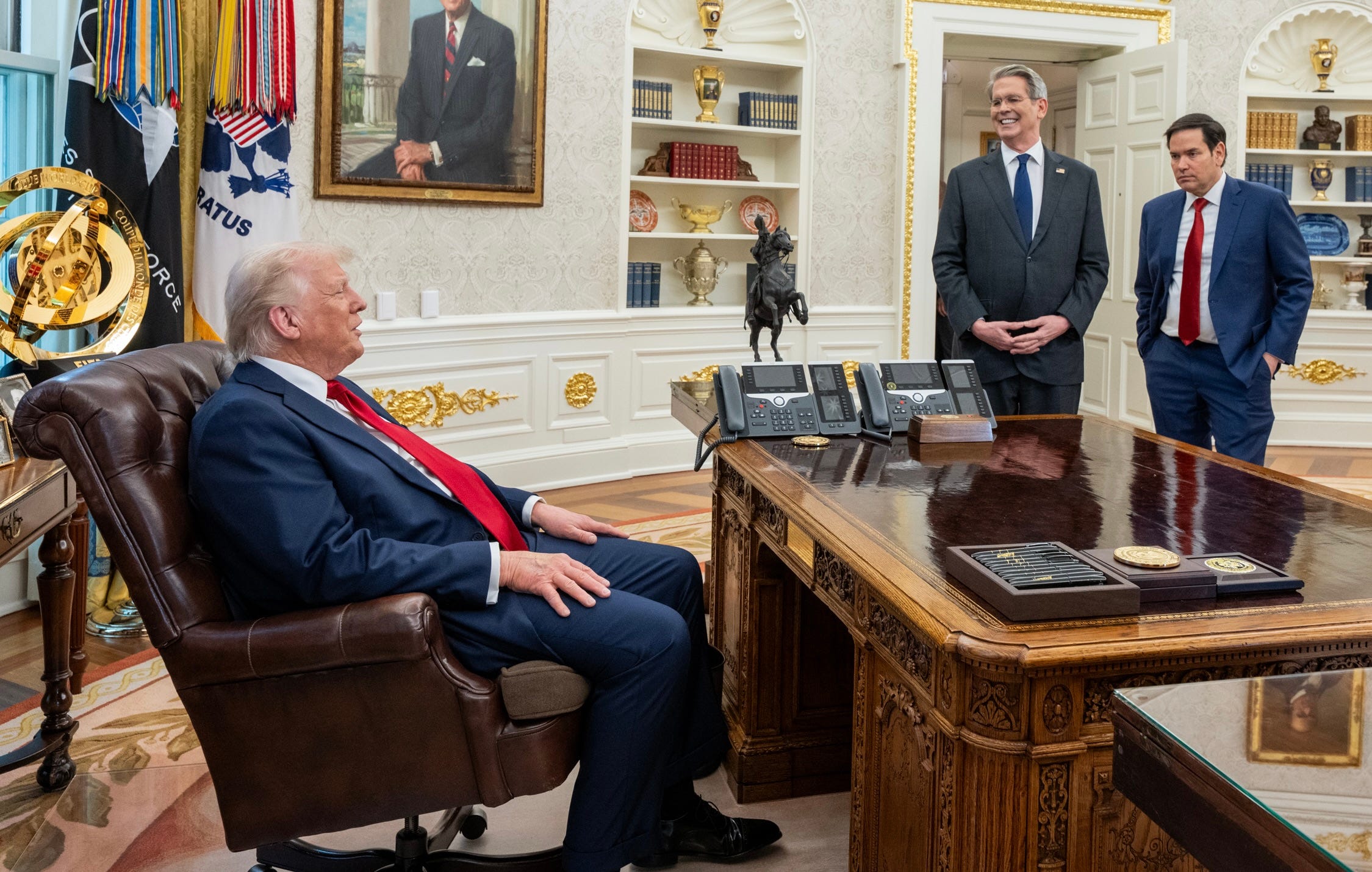
As the diplomatic dispute between the U.S. and Cuba deepens, Sherritt is quickly becoming patient zero and a case study. No other foreign investor in Cuba has been hit as thoroughly by Washington’s approach against Havana as Sherritt has. Already, other companies present on the island are undergoing a similar fate, including by selling controlling stakes in their Cuba JVs to U.S.-aligned buyers, as is the latest case with Antilles Gold.
For these companies and others to follow, the wider implication is much more complex: Washington is no longer pressuring Havana toward reform in a conventional sense. Rather, it is pursuing several independent courses of action at once, both directly and indirectly, in the form of sanctions, asset acquisitions, and private litigation, which all converge on the physical assets that the Cuban government needs to ensure its survival. Thus, Sherritt, a Canadian miner with no stake in the U.S.-Cuba dispute itself, is simply standing in the middle of a battlefield with no recourse or way out of it other than yielding to U.S. designs and cutting its losses.
Status: U.S. Judicial Enforcement Mechanisms — Level 3: Execution Phase.[2]
Status: U.S. Sanctions Enforcement and Control Mechanisms — Level 3: Execution Phase.
Status: Cuba’s Reforms Implementation Process — Level 2: Constrained execution.
[1] Beyond Exxon, CEC’s counsel added that personal jurisdiction is independently proper under Fuld, because Congress enacted Title III specifically to protect Americans from harm directed at the United States. Failing that, CEC’s counsel also argues that UNE and Energas aren’t entitled to Fifth Amendment protection at all, since both are “alter egos” of the Cuban state under the doctrine Bancec established and Helmerich applied, which looks to factors like state control over profits, government officials’ role, and whether recognizing separate corporate identities would let Cuba dodge its own obligations.
[2] This brief applies the ST Monitor proprietary classification to interpret specific developments based on their phase of execution, and the above content should be read through that lens. Some plans remain at the level of (1) political signaling without an operational framework; others are (2) constrained within permission-based systems; and others are (3) fully operational and institutionalized:
Level 1 — Pre-policy (no executable framework exists)
Level 2 — Constrained execution (activity exists but is permission-bound)
Level 3 — Execution Phase (system is operational and institutionalized)
What to read next:


See The Southern Trade on Google
Want The Southern Trade analysis at the top of your feed? You can tell Google to prioritize this source by clicking on the button below.

© 2026 Manuel Reyes, The Southern Trade Group™. All rights reserved. Content may not be reproduced without permission.