

ST Monitor | April 2026 | Energy Sector Developments in Latin America
Focus: Mexico Shale Gas, Venezuela Oil Licenses, Brazil Power Markets


In this Edition | April 2026
Energy developments in the past few weeks in Latin America show plans or operations with varying degrees of execution and state regulatory authority. Factors influencing the energy sector in the region include local political will, geopolitical and international sanctions pressure, and industrial policy priorities.
In Mexico, political intent to frack the Sabinas-Burgos basin has not yet translated into a federal framework ripe for implementation. In Venezuela, oil sector activity is re-emerging but remains tightly controlled through external OFAC licensing. In Brazil, a re-scaling and procurement re-design of the country’s grid system is already operational, with institutional mechanisms shaping investment and reliability.
The focus is not resource potential, but the degree to which that potential has been or may be converted into value-generating activities.
This edition of the ST Monitor introduces a simple classification to interpret specific energy developments across Latin America based on their phase of execution. Some plans remain at the level of (1) political signaling without an operational framework; others are (2) constrained within permission-based systems; and others are (3) fully operational and institutionalized. The cases chosen for this edition in Mexico, Venezuela, and Brazil should be read through that lens:
Level 1 — Pre-policy (no executable framework exists)
Level 2 — Constrained execution (activity exists but is permission-bound)
Level 3 — Execution Phase (system is operational and institutionalized)
Mexico | Shale Gas | Fracking in Coahuila remains rhetorical, no policy plan in sight
Key takeaways
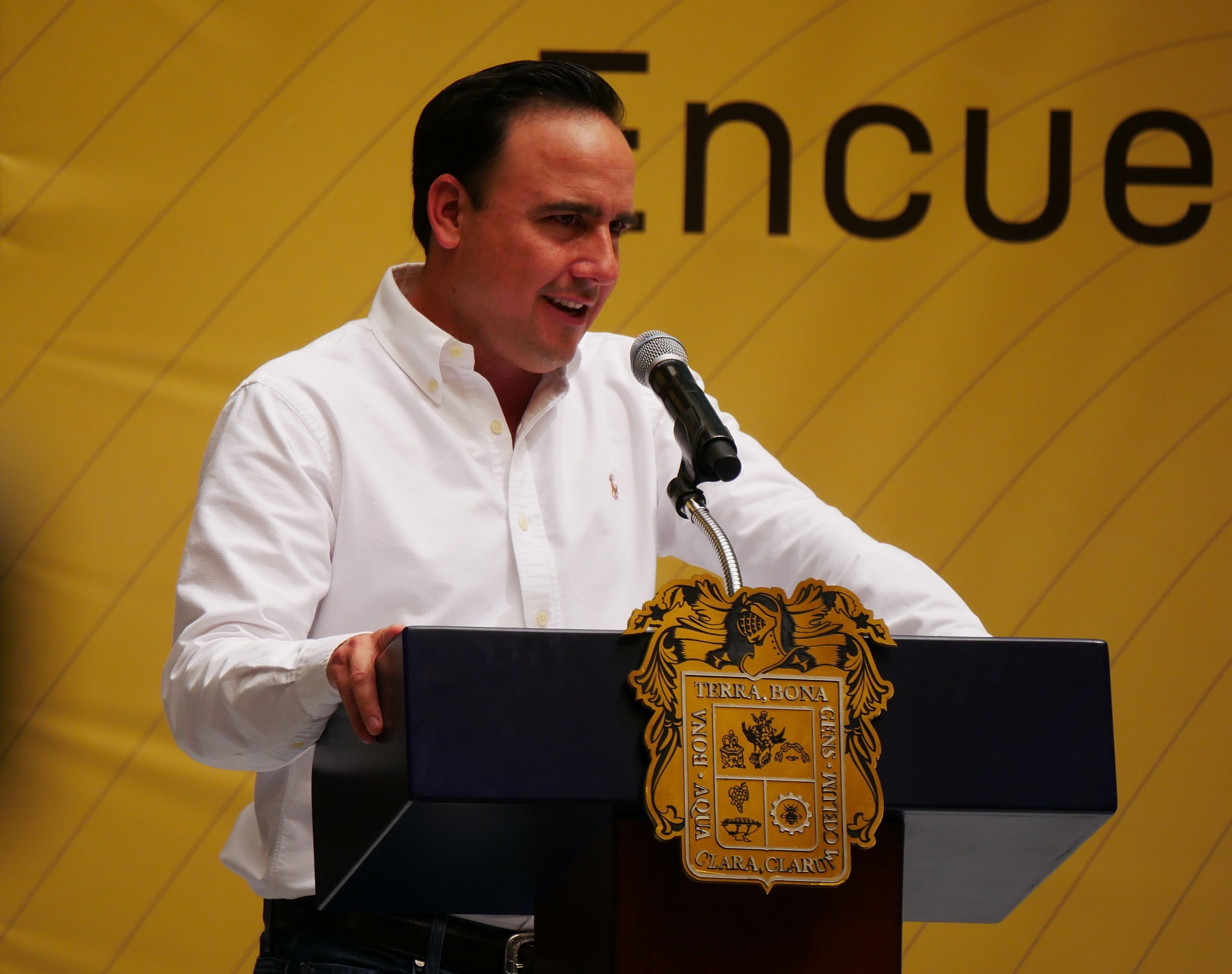
“Gas Coahuila” is a political positioning initiative by Coahuila Governor Manolo Jiménez, not a formal policy or program at the federal level.
The concept reflects a regional economic pivot toward shale gas in the Sabinas-Burgos basin, driven by the collapse of the AHMSA steel corporation, but lacks federal regulatory backing.
Upstream hydrocarbon activity in Mexico requires federal authorization through SENER, CNH, or CRE, with alignment to the Hydrocarbons Law. Thus, Governor Jiménez has no authority over mineral rights or upstream licensing.
The AHMSA bankruptcy asset sale was formally launched but collapsed at its first auction; the process is now in a second iteration.
Both developments signal strategic intent without execution, pointing to a pre-policy phase rather than an active market opportunity.
What political and business figures in northern Mexico are calling “Gas Coahuila” does not exist as a formal policy instrument in primary records. The name belongs to an initiative of Coahuila Governor Manolo Jiménez, and its most prominent public articulation was at the XVI Plenary Session of the Asociación de Ciudades Capitales de México (ACCM) in February 2026, where it was presented as political messaging rather than codified policy.
There is no decree, program registration, regulatory filing, or federal initiative under that name. In Mexico’s energy system, upstream hydrocarbon activity requires federal backing, along with alignment to the Hydrocarbons Law and relevant permitting and budgetary mechanisms. Coahuila’s governor is actively marketing shale development to U.S. energy firms, particularly in Texas, positioning the state as a future production hub. However, this outreach occurs within a constitutional framework where mineral rights and upstream authorization remain exclusively federal. Therefore, state-level promotion should be understood as a prospective plan, not a formally proposed program.
The underlying logic holds, nonetheless. Coahuila sits atop the Sabinas-Burgos basin (343 Tcf), one of Mexico’s key shale gas regions. Any effort to replace the industrial decline left by the collapse of steel giant Altos Hornos de México (AHMSA) — which ceased operations in 2022 and was formally declared bankrupt in 2024 — would point toward hydrocarbons development. “Gas Coahuila” is, in that sense, an attempt to reposition the state economically around gas extraction and related industrial activity.
At the federal level, the Coahuila plan intersects with a broader but still incomplete shift by the Sheinbaum administration toward reconsidering unconventional gas development. Without explicit regulatory changes, licensing rounds, or investment frameworks, however, no executable pathway is yet visible.
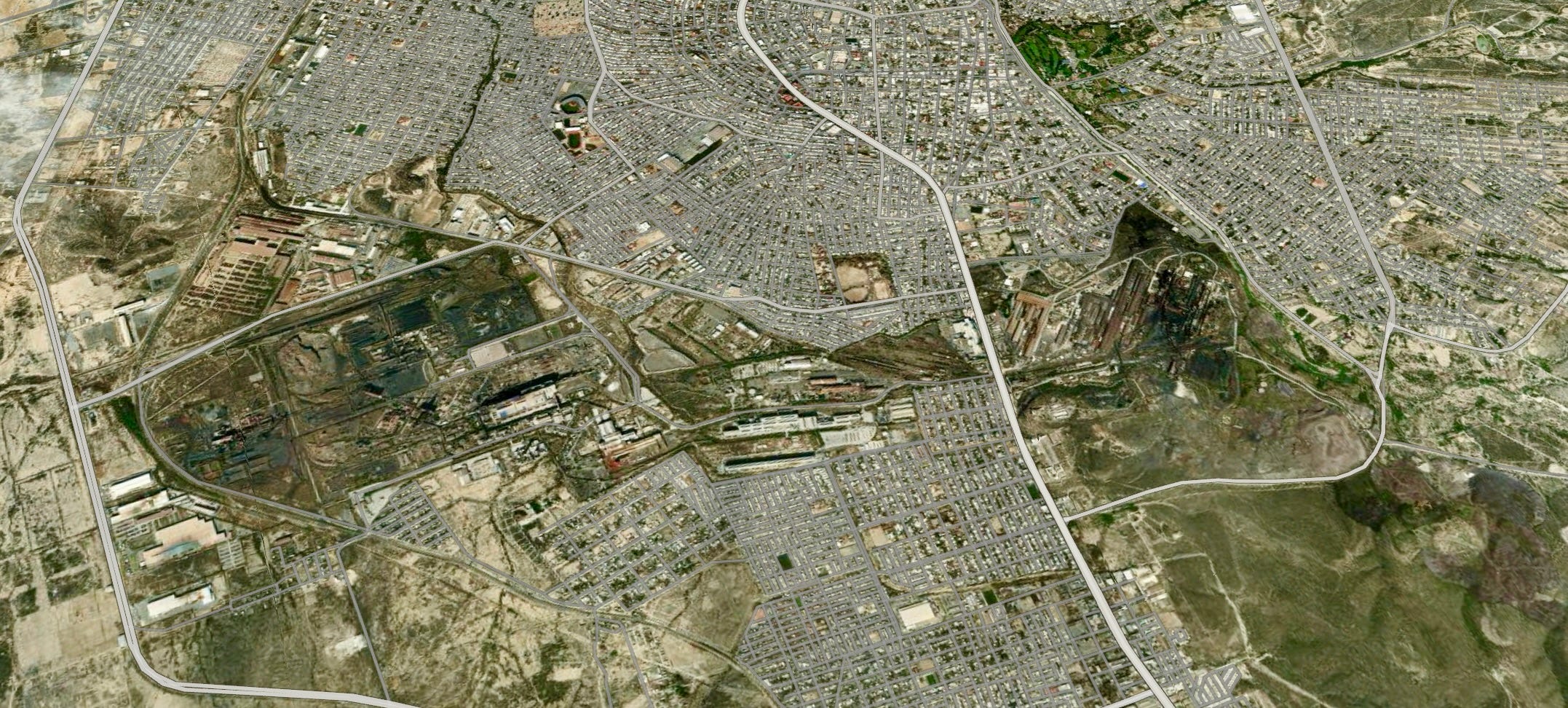
The AHMSA bankruptcy is similarly unresolved. A first auction round collapsed last February when the court declared it void after the sole qualified bidder failed to post its seriousness guarantee and secured creditors withheld consent for the integral sale. The company remains within Mexico’s commercial bankruptcy proceedings, and the case trustee has since submitted a revised sale proposal for judicial review, entering a second iteration of the process.
Together, both threads point to the same conclusion: Coahuila is pushing for a strategic reframing of its industrial base, but that reframing has not yet translated into formal policy instruments or market-accessible processes. The result is political positioning ahead of regulatory and legal action.
Status: Level 1 — Pre-policy
Venezuela | Oil Sector | OFAC, IMF Move to Normalize Economic Relations with Venezuela under Delcy Rodriguez
Key takeaways
The U.S. is not lifting Venezuela sanctions broadly, but building a layered licensing system through OFAC that selectively permits activity in oil and finance.
Oil licenses reopen trade in existing crude flows, while financial licenses restore limited payment and settlement channels needed to support that trade.
The framework enables a closed-loop system: physical oil flows can restart, but only within tightly controlled financial and legal pathways.
Investment, production expansion, and full financial normalization remain explicitly prohibited, keeping Venezuela structurally constrained despite partial reopening.
The IMF will resume “dealings” with Venezuela and technical coordination, signaling early-stage multilateral normalization alongside the sanctions easing.
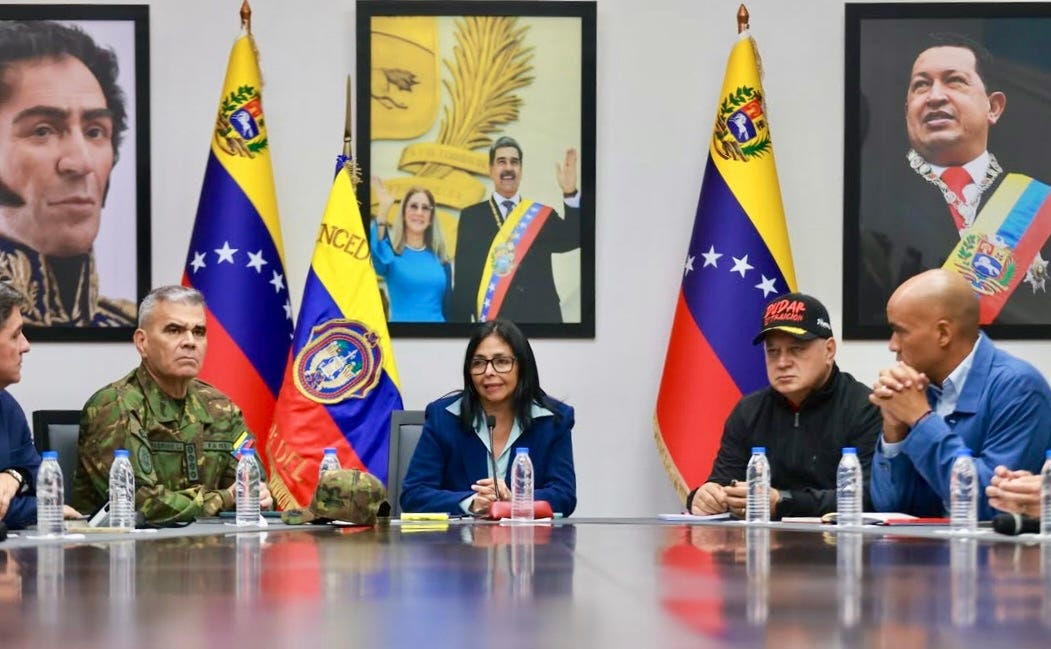
The U.S. continues selective easing of sanctions on Venezuela through specific OFAC licenses that separate physical oil trade from financial channels supporting it. Washington is building a layered “permit system” for limited re-engagement with Venezuela’s hydrocarbons sector.
On the oil side, General Licenses 46/46B and 50A authorize defined commercial activities involving Venezuelan-origin crude and gas. These include lifting, transport, marketing, refining, and related services, allowing crude to re-enter international circulation under strict compliance rules. However, these licenses explicitly exclude upstream investment, production expansion, and new field development, meaning the framework enables trade in existing output but does not restore investment control or full operational autonomy.
On the financial side, General Licenses 56 and 57 extend this controlled opening by authorizing transactions involving the Central Bank of Venezuela (BCV) and other state financial institutions. The licenses reopen limited payment processing, settlement activity, and financial intermediation that had remained blocked even after oil-sector easing. Jointly, these licenses begin to reconstruct the financial conduit for oil trade, but only within a tightly monitored perimeter.
Taken together, the structure effectively creates a closed-loop: oil licenses reactivate physical crude flows, while financial licenses partially restore settlement channels. The result is not sanctions relief in the traditional sense, but a controlled exposure regime in which engagement is possible only through narrowly defined legal pathways.
From a governance and compliance perspective, this shifts the operating model for companies from a binary “allowed vs. prohibited” framework to a granular, transaction-by-transaction licensing system. Legal exposure is no longer determined primarily by market entry, but by routing, counterparties, and compliance with evolving license conditions across a multi-step chain of transactions.
From a financial crime and corruption risk perspective, the reintroduction of BCV-linked channels brings sovereign-controlled settlement infrastructure back into play. This increases exposure to opaque flows, indirect counterparties, and multi-jurisdictional routing through state and quasi-state entities. Even when compliant with OFAC rules, the structure raises AML complexity due to layering risk and reduced transparency in settlement chains.
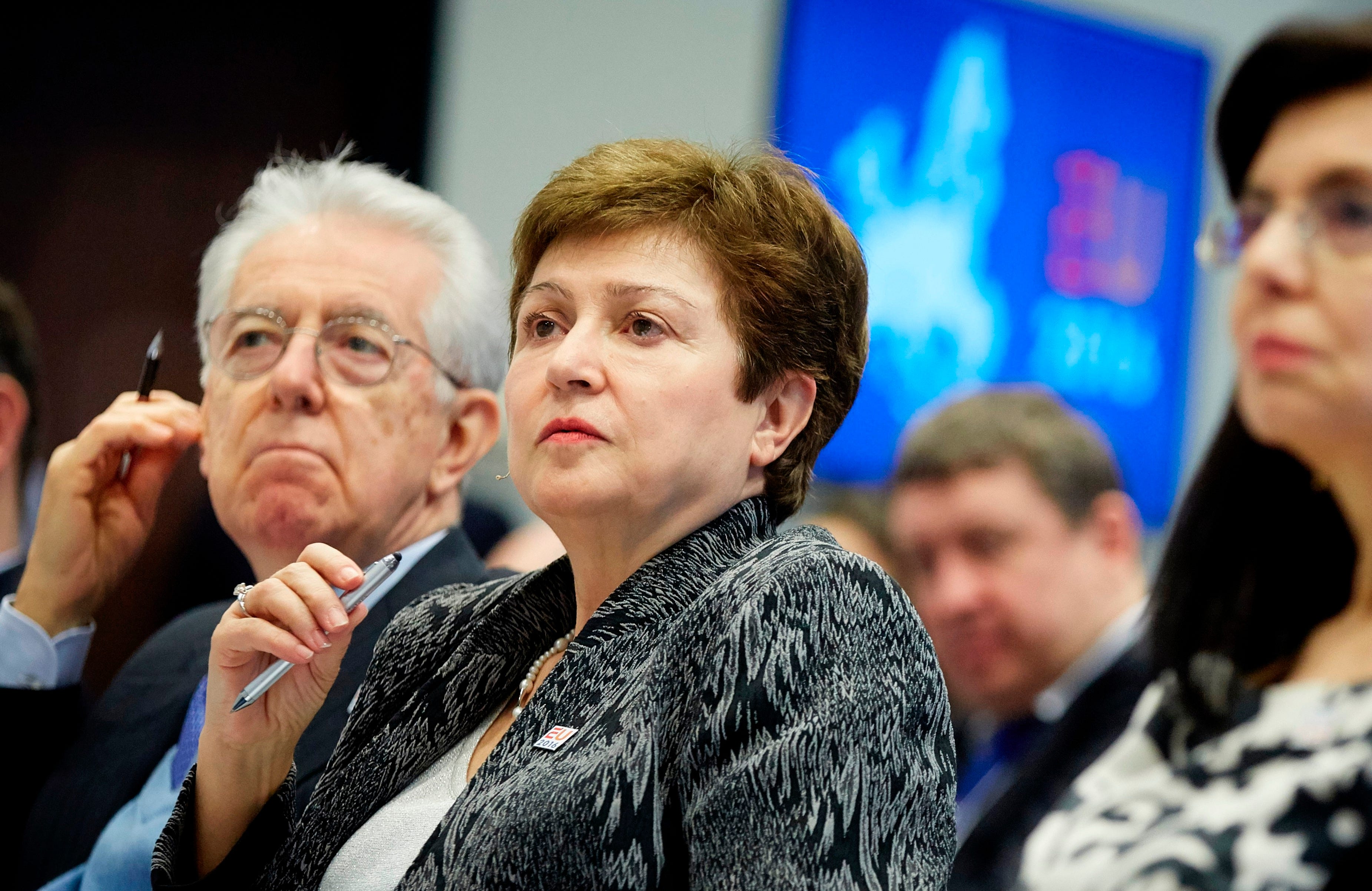
Parallel to this sanctions’ evolution, the IMF announced a resumption of “dealings” with Venezuela, according to Managing Director Kristalina Georgieva. Early steps include technical engagement and data coordination with Venezuelan authorities. This signals that the international community is getting ready to normalize economic relations with Venezuela under Delcy Rodríguez.
Overall, Venezuela is being gradually (but quickly) reintroduced into the global financial and commodity systems through layered permissions and toward full normalization. That is, the system is opening selectively, with oil, finance, and institutions all reconnected through controlled, reversible channels rather than full reintegration.
My earlier coverage has repeatedly insisted that “uninvestable” was never a technical or financial assessment of the Venezuelan oil sector, but a negotiating position by U.S. oil companies.
Status: Level 2 — Constrained execution
Brazil | Electric Power Sector | Brazil Restructures Electricity Reliability Through 2026 Tender Process
Key takeaways
Brazil is shifting from paying for electricity generation to paying for guaranteed power availability (capacity).
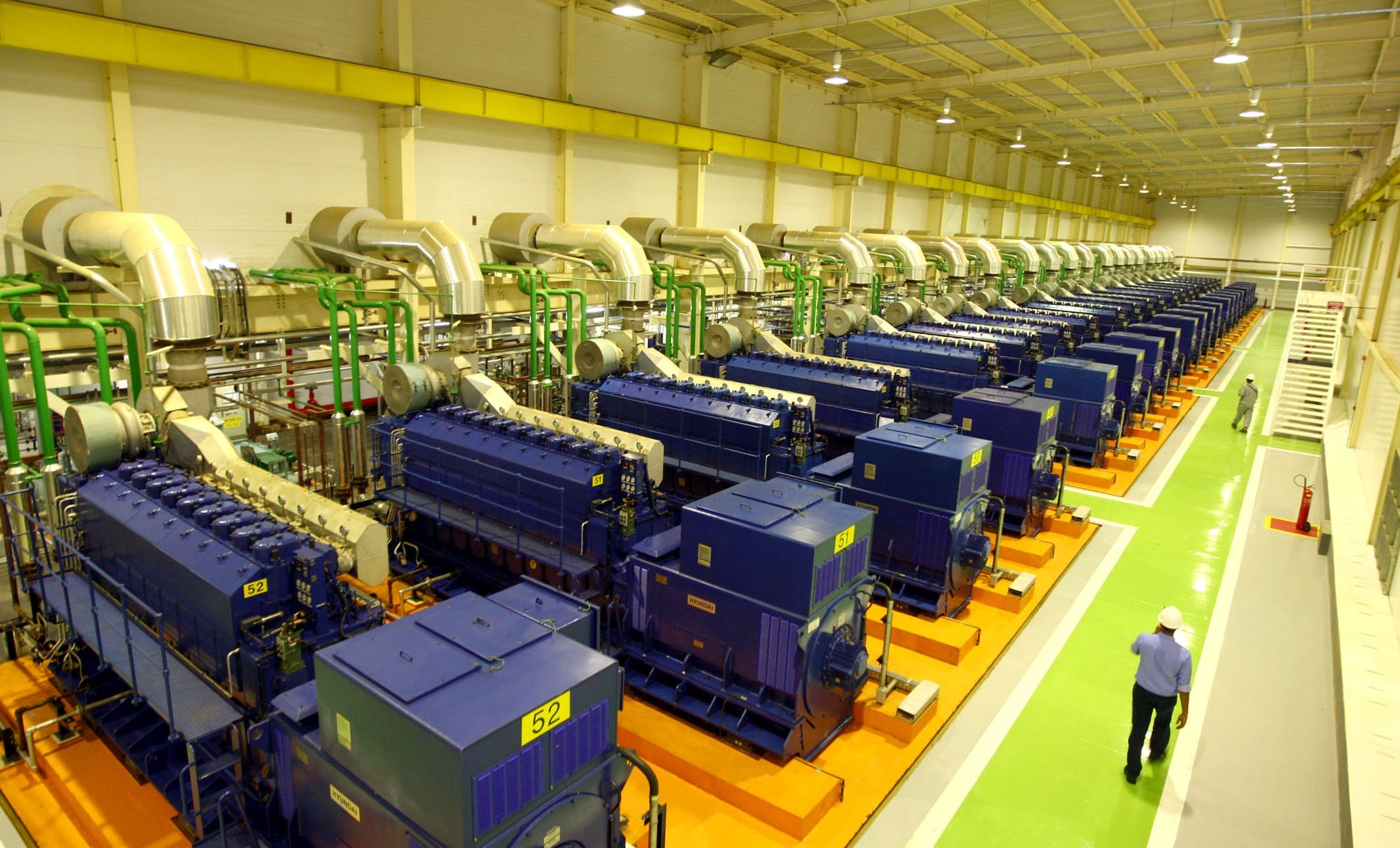
The 2026 LRCAP contracted roughly 19 GW of firm capacity across multiple technologies through 2031.
Competitive bidding significantly reduced costs, with savings potentially reaching billions of reais.
The system prioritizes reliability and flexibility to manage rising demand and renewable intermittency.
The auction strengthens long-term investment certainty for energy companies while reshaping Brazil’s electricity market design.
Brazil is restructuring its grid reliability and procurement system by contracting “capacity” rather than just energy produced. The 2026 “Tender for Reserved Capacity in the form of Power” (LRCAP) coordinated auctions to secure reliable dispatchable power for the Brazilian grid under peak demand and variability conditions.
The Brazilian grid is no longer planned purely on megawatt-hours generated over time. Instead, it now prioritizes the degree to which available power can be called upon when needed. The National Electric System Operator (ONS), the Energy Research Office (EPE), and the National Electric Energy Agency (ANEEL) jointly designed and executed the tender, with the Ministry of Mines and Energy (MME) setting the regulatory framework. Their technical notes defined the modeling assumptions:
transmission constraints;
system reliability needs; and
“remaining capacity” available for new generation connections.
These technical layers determined which projects could compete in the auction and at what scale.
The 2026 LRCAP covered different technology groups, including gas, coal, hydro, and liquid-fuel sources such as oil and biodiesel. This separation reflects Brazil’s balance between cost, flexibility, and fuel security. Baseload capacity is secured with gas, coal, and hydro at lower cost, while oil and biodiesel units are retained at higher cost for peak demand or system stress conditions.
The system contracted about 19 gigawatts (GW) in the main LRCAP cycle. Eneva and Petrobras emerged as major winners. Competitive bidding produced discounts (avg. 5.52%) relative to reference prices, generating estimated savings in the billions of reais over contract lifetimes. Companies competed aggressively for long-term guaranteed revenue streams, which pushed prices down while still ensuring sufficient capacity for the grid.
Contract design evolution was also central to the process, not just total capacity volume. Earlier Brazilian energy auctions focused on electricity produced, but the 2026 LRCAP shifted toward capacity payments, meaning generators are paid for availability rather than only energy generated.
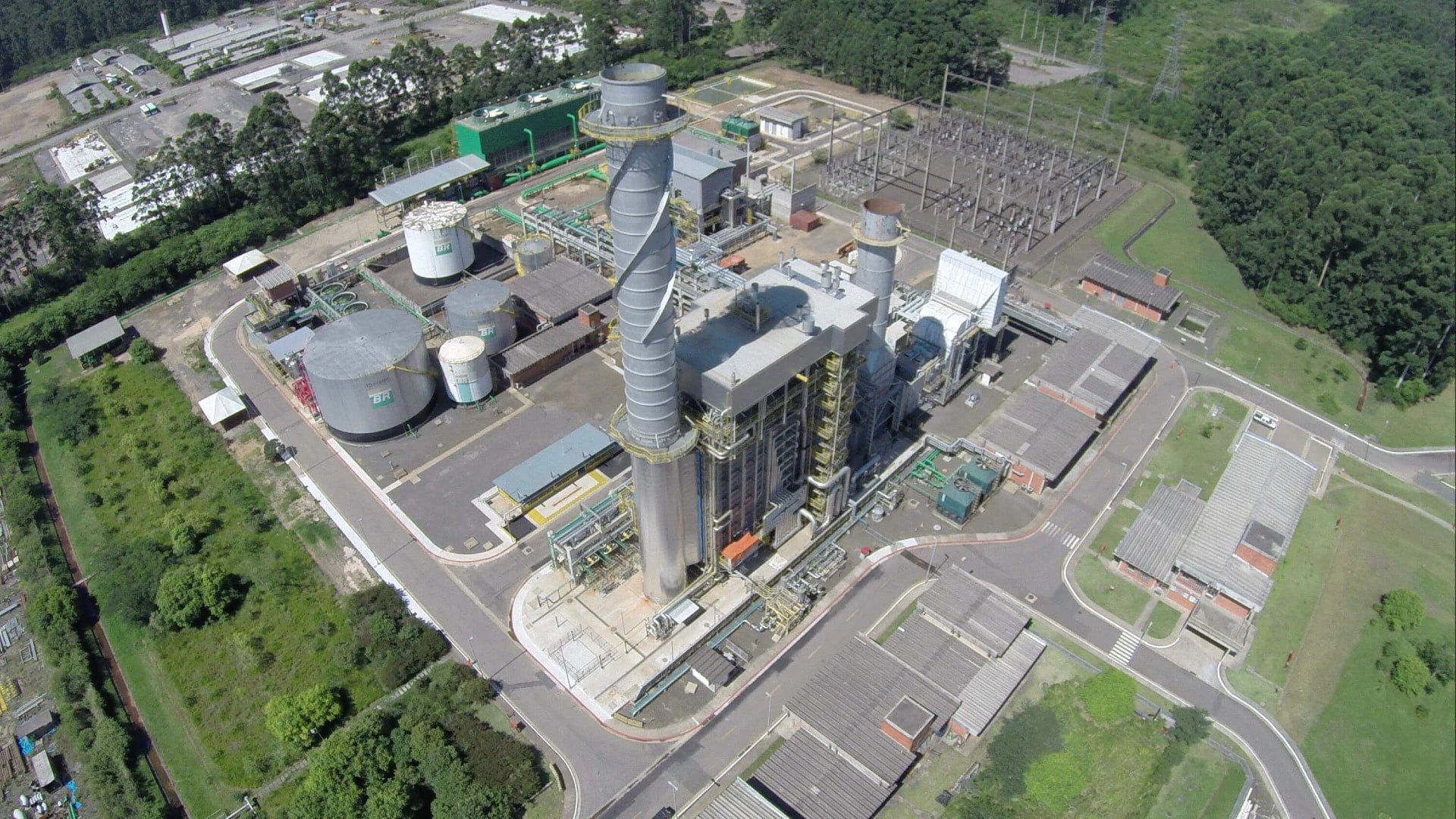
Corporate and market reactions reflect the importance of this auction for investment planning. Large state-owned and private energy companies use these auctions to secure long-term cash flow stability. Winning capacity contracts helps justify major capital investments in new thermal plants and fuel infrastructure.
Finally, the broader implication is that Brazil is strengthening system reliability through diversification of energy sources. The scale of the auction also signals expectations of rising electricity demand and greater renewable intermittency, requiring additional firm capacity.
In summary, the 2026 LRCAP cycle is best understood as a coordinated national capacity procurement program, not just a single auction result. It contracted roughly 19 GW of firm power across multiple technologies, shifted toward a capacity-based market structure, generated cost savings through competition, and strengthened reliability by ensuring flexible thermal and hydro resources remain available to stabilize a rapidly evolving grid.
Status: Level 3 — Execution Phase
Other Energy-related News to Observe:
Oil & Gas | Mexico: PEMEX is experiencing financial pressures due to the federal government’s limited capacity to invest in it.
Watch for: Federal support mechanisms (e.g., capital injections, debt restructuring). Any shift may signal to what extent the Mexican government is prepared to stabilize PEMEX.
Shale | Mexico: Sheinbaum signals further moves for shale gas. A scientific committee will evaluate eco-friendlier shale gas extraction technologies. The committee will deliver recommendations within two months.
Watch for: The report is not important, better shale gas extraction techniques have been around for years. What’s important is Sheinbaum’s tolerance for the Iran war’s negative effects on the Mexican economy vis-a-vis the 2027 midterm elections.
Shale | Argentina: Vaca Muerta will require at least $114 billion in investment over the next 10 years to sustain its current pace of development.
Watch for: Midstream capacity bottlenecks. If the terminal at Punta Colorada and the pipeline system stemming from the Neuquén basin deliver volume as projected, capital input won’t be an issue.
Organized Crime | Peru: A new form of criminal activity has emerged in Perú, after a convoy transporting 10.5K bbl of oil was detained by non-state actors on the Trompeteros River. The group is demanding S/2 million for safe passage.
Watch for: Replication of this tactic across oil transport routes. Government tolerance would likely lead to rising operating risk and potential cost pressures for inland logistics.
Geopolitics | Panama Canal: China is pressuring Maersk to abandon activities at the Balboa and Cristobal port terminals in the Panama Canal, following its takeover of CK Hutchison’s operations. China’s NDRC (regulatory body) has reportedly threatened Maersk directly, citing national security grounds.
Watch for: Formal NDRC rule-making against Maersk. If carriers start hedging against instability in the Panama Canal, freight rate volatility may feed into bunker price behavior.
If you liked today’s issue, forward it to anyone who should be reading it
🔗👇 Share this newsletter by clicking the icon below!
See The Southern Trade on Google
Want The Southern Trade analysis at the top of your feed? You can tell Google to prioritize this source by clicking on the button below.
© 2026 Manuel Reyes, The Southern Trade Group™. All rights reserved. Content may not be reproduced without permission.


